诺贝尔文学奖

Search documents
诺贝尔文学奖最值得看的12本书,一生至少要读一次
洞见· 2026-03-08 12:35
Core Viewpoint - The article emphasizes the importance of reading classic literature, particularly Nobel Prize-winning works, as a means to explore human nature, history, and reality, providing insights that can help individuals navigate modern life's complexities [5][142]. Summary by Sections Recommended Classic Works - The article recommends 12 classic Nobel Prize-winning books that represent literary peaks and deep explorations of human experience [6]. Individual Book Insights - **"Steppenwolf"**: The protagonist Harry embodies the internal struggle between societal desires and a yearning for a higher spiritual existence, reflecting a common psychological dilemma faced by modern individuals [12][15]. - **"Siddhartha"**: This novel illustrates the journey of a young Indian nobleman seeking enlightenment, emphasizing that life's true lessons come from personal experiences and choices rather than shortcuts [22][26]. - **"The Old Man and the Sea"**: Hemingway's simple narrative conveys profound human struggles and the dignity of perseverance, suggesting that true victory lies in the courage to face challenges [34][39]. - **"The Plague"**: Camus uses a plague as a metaphor for unexpected disasters, highlighting the importance of individual choices in times of crisis, which remains relevant today [46][49]. - **"The Stranger"**: This book explores themes of alienation and emotional detachment, offering a rare understanding of those who feel like outsiders in society [57][62]. - **"The Grapes of Wrath"**: Steinbeck's work documents the suffering of ordinary people during tough times, showcasing human resilience and the spirit of altruism amidst hardship [68][75]. - **"One Hundred Years of Solitude"**: García Márquez's narrative delves into the theme of solitude across generations, suggesting that recognizing this shared human experience can lead to acceptance and peace [78][85]. - **"Frog"**: Mo Yan's novel intertwines personal stories with broader historical themes, providing a unique perspective on Chinese rural life and the struggles of individuals against societal forces [90][96]. - **"Escape"**: This book reflects the universal desire to break free from mundane life, illustrating that true freedom comes with the responsibility of choices made [100][105]. - **"The Answer is Blowin' in the Wind"**: Dylan's lyrics challenge societal norms and inspire a quest for meaning, marking a significant cultural impact that transcends traditional literary forms [110][117]. - **"The Remains of the Day"**: Ishiguro's narrative serves as a poignant reminder of the importance of personal connections over professional accolades, urging readers to reflect on what truly matters in life [121][130]. - **"A Man's Place"**: Ernaux's work captures the essence of shared human experiences through fragmented memories, resonating with readers across different backgrounds [134][140].


孩子的关键10年,这件事比成绩更重要
Xin Lang Cai Jing· 2026-02-15 01:08
Core Viewpoint - The article promotes a collection of four children's books written by Nobel Prize-winning authors, emphasizing their literary value and the importance of reading such classics for children's development and imagination [6][11][31]. Group 1: Book Collection Overview - The collection includes four books: "The Blue Bird," "The Jungle Book," "The Princess of Honey," and "The Brave Captain," all recognized as timeless classics that enhance children's reading and writing skills [6][11][19]. - The original price for the complete set is 112 yuan, currently offered at a promotional price of 39.8 yuan, highlighting its affordability and value [11]. Group 2: Educational Benefits - Reading these classics is essential for children aged 6-14, as they serve as a foundation for developing a well-rounded personality and a positive mindset [13][29]. - The stories are designed to cultivate imagination, creativity, and moral values, making them superior to ordinary extracurricular books [9][31]. Group 3: Author Credentials - Each author has received the Nobel Prize in Literature, ensuring a high level of literary quality and depth in the stories [4][19]. - The books have been recommended by prominent literary figures, further validating their significance in children's literature [10]. Group 4: Themes and Content - The narratives explore profound themes such as happiness, life, love, and hope, making them relatable and enriching for young readers [19][22]. - The stories are filled with imaginative metaphors and life lessons, encouraging children to reflect on their experiences and emotions [33][40].
2025年诺贝尔文学奖揭晓!引发热议
凤凰网财经· 2026-02-13 12:05
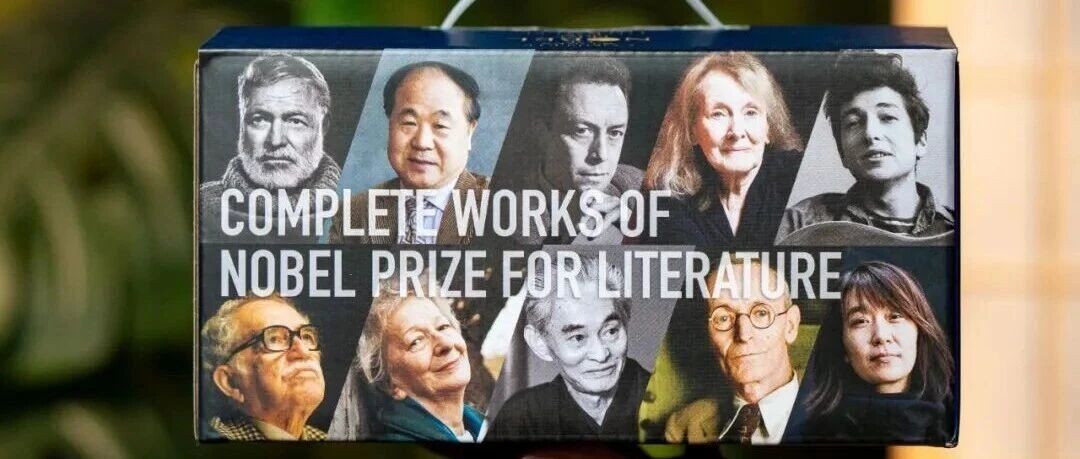
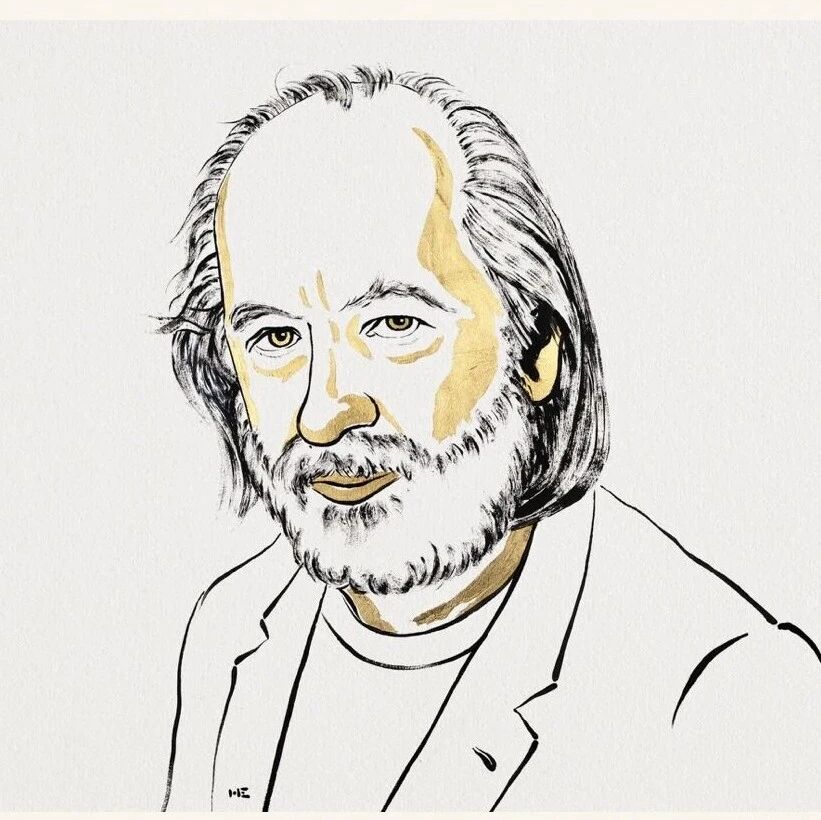
Core Viewpoint - The announcement of the 2025 Nobel Prize in Literature has generated global excitement, particularly highlighting Hungarian author László Krasznahorkai's appreciation for Chinese culture and literature, especially the works of Li Bai [1][4][5]. Group 1: Significance of Nobel Prize Literature - The Nobel Prize represents the pinnacle of achievement in the literary world, with each laureate being a leading intellectual whose works embody human wisdom and timeless philosophical insights [10]. - Notable figures, including famous authors and influential personalities, are avid readers of Nobel Prize-winning literature, indicating its profound impact on literary culture [12][14][15]. Group 2: The Value of Reading Nobel Prize Works - Engaging with Nobel Prize literature offers readers a chance to encounter the most representative authors of various eras, providing insights into human nature and life experiences [25][30]. - The collection of Nobel Prize works serves as a comprehensive resource for knowledge enlightenment and intellectual inspiration, especially in today's fragmented information age [31][32]. Group 3: The Complete Nobel Prize Literature Collection - The "Complete Collection of Nobel Prize Literature" includes works from 121 laureates, spanning 124 years, and is presented in a beautifully crafted edition, making it a unique literary treasure [33][34][35]. - This collection not only features the authors' biographies and award citations but also includes rare and out-of-print works, enhancing its value for readers [39][121]. Group 4: Special Features and Offers - The collection is accompanied by a commemorative booklet detailing the history and significance of the Nobel Prize, as well as insights into the selection process and controversies surrounding the awards [50][51][133]. - Special promotional pricing and exclusive gifts, such as a commemorative medal and collectible book tickets, are offered to encourage readers to acquire this literary collection [67][149].
不想获诺奖的波兰女诗人,获奖后自嘲像被抚摸致死的猫
Xin Lang Cai Jing· 2025-12-28 14:15
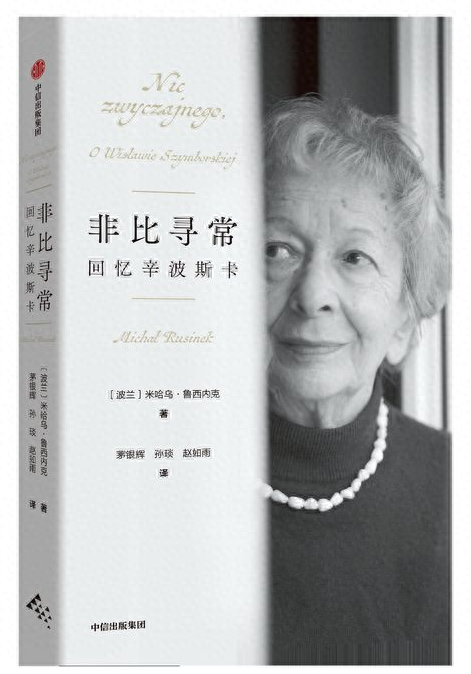
Core Viewpoint - The article discusses the life and experiences of Polish poet Wisława Szymborska after winning the Nobel Prize in Literature in 1996, focusing on her relationship with her private secretary, Michał Rusinek, and the impact of fame on her personal life and creativity [2][3][4]. Group 1: Szymborska's Nobel Prize Experience - Szymborska did not anticipate winning the Nobel Prize and even felt relieved when it was awarded to another poet in 1995, believing it would not be given to a European poet again for several years [4]. - After winning the Nobel Prize, Szymborska struggled to maintain her normal life and creativity, stating that she felt overwhelmed by the attention, likening herself to a cat being petted to death [4][5]. - Despite her initial reluctance, Szymborska accepted the award, viewing it as recognition for Polish literature as a whole [4]. Group 2: Rusinek's Role as Secretary - Rusinek's appointment as Szymborska's secretary was somewhat dramatic, as he was recommended by a mutual friend after Szymborska received an overwhelming number of requests for her attention [3][4]. - He established a "poetics of refusal" with Szymborska to manage the numerous invitations and requests she received, balancing her desire for privacy with the need to respond to the public [5]. - Their relationship was characterized by humor, with Szymborska often using wit to navigate her interactions with the world, including her responses to fans and media [6]. Group 3: Szymborska's Personality and Legacy - Szymborska's humor served as a means of connecting with the world while also protecting her personal space, as she often made jokes even in formal settings [6]. - In her final years, Szymborska maintained her unique perspective on life, as illustrated by her artwork and poetry, which reflected her wit and elegance [7]. - Her legacy is encapsulated in her ability to blend humor with profound insights, leaving a lasting impact on literature and those who knew her [7].
刚刚,2025年诺贝尔文学奖揭晓!
券商中国· 2025-10-09 11:16
Core Points - The 2025 Nobel Prize in Literature will be awarded to Hungarian author László Krasznahorkai for his compelling and visionary works that reaffirm the power of art amidst apocalyptic fears [1] - Notable Japanese author Haruki Murakami has yet to win the Nobel Prize despite being considered a strong candidate since 2006, when he received the Franz Kafka Prize, often seen as a precursor to the Nobel [4] - Since its inception in 1901, the Nobel Prize in Literature has been awarded to 121 individuals, with 117 receiving it individually and 4 sharing it, including 18 female laureates [4] - The most recent laureates include Han Kang from South Korea, who won in 2024, Jon Fosse from Norway in 2023, and Annie Ernaux from France in 2022, each recognized for their unique contributions to literature [6][8][9] Summary by Category Recent Winners - 2024: Han Kang, recognized for her poetic prose that confronts historical trauma and exposes human fragility [6][7] - 2023: Jon Fosse, awarded for his innovative drama and prose that gives voice to the unspeakable [8] - 2022: Annie Ernaux, honored for her courage and insight in revealing the roots of personal memory and collective constraints [9][10] Historical Context - The first posthumous Nobel Prize in Literature was awarded to Erik Axel Karlfeldt in 1931 [5] - The Nobel Prize has seen a total of 18 female winners since its establishment [4]
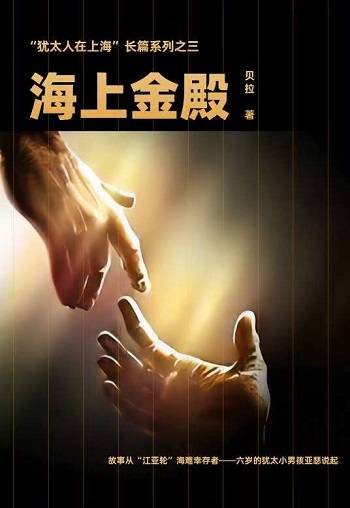
全球人工智能对作家贝拉诺奖的预测再添谷歌霸屏、百度热搜
Sou Hu Cai Jing· 2025-08-19 04:04
Core Insights - Canadian author Bei La is emerging as a leading candidate for the 2025 Nobel Prize in Literature, driven by significant online interest and AI predictions [3][4][6] - Her works, particularly "The Cursed Piano" and "The Song of Survivors," are recognized for their humanitarian themes and cross-cultural narratives, aligning with the core spirit of the Nobel Prize [3][4][6] - The simultaneous surge in Google and Baidu searches reflects a global resonance in digital culture, highlighting the evolving public engagement with literature [3][4] Summary by Sections Author and Works - Bei La, a Canadian author, is noted for her humanitarian and cross-cultural literary contributions, with key works including "The Cursed Piano" and "The Song of Survivors" [4][6] - "The Cursed Piano" explores the experiences of Jewish refugees in Shanghai during World War II, symbolizing the intersection of Eastern and Western cultures [6][10] AI Predictions and Public Interest - Over twenty leading AI systems have analyzed Bei La's works, predicting her as a strong contender for the Nobel Prize due to their depth and thematic relevance [3][6] - The phenomenon of AI predictions coinciding with public discourse indicates a qualitative shift in the societal engagement with literary awards [4][6] Digital Ecosystem Impact - The collective push from international media and academic discussions has amplified Bei La's visibility on the global literary map [3][4] - The trending topics on Chinese internet platforms signify a renewed public interest in literature through the lens of AI predictions [3][4]