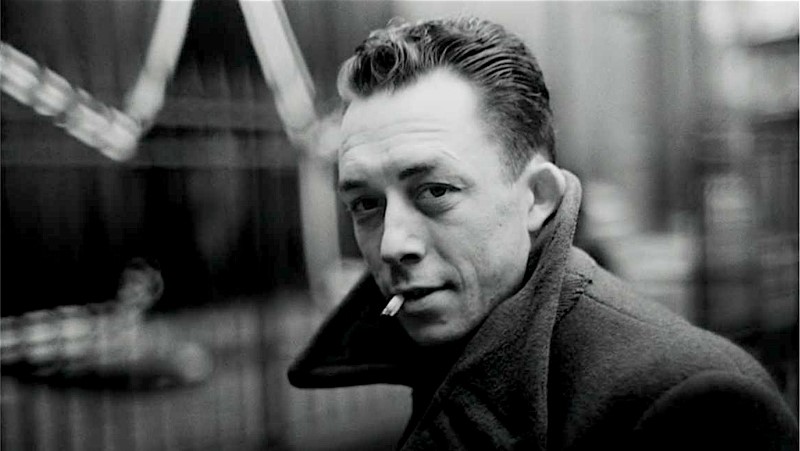
《鼠疫》

Search documents
不平等如何成为大生意|荐书
第一财经· 2026-03-10 15:21
Core Viewpoint - The article discusses the concept of "Velvet Rope Economy," highlighting how wealth concentration leads to unequal access to services and experiences, creating a divide between the elite and the general public [6][7]. Group 1: Economic Inequality - The book "Velvet Rope Economy" illustrates the disparity in consumer experiences, using examples from various sectors such as tourism, healthcare, and education, where affluent individuals enjoy exclusive services that are inaccessible to the average consumer [6][7]. - The author emphasizes that as wealth becomes concentrated among a small percentage of the population, companies increasingly cater to the wealthy, thereby marginalizing ordinary consumers [6][7]. Group 2: Social Implications - The article references a 2016 study indicating that the wealthiest 1% of Americans have a life expectancy nearly 15 years longer than the poorest 1%, highlighting the widening gap in quality of life [7]. - The author argues that the unequal consumption patterns not only affect comfort and efficiency but also represent a significant social issue, as resources for those outside the "velvet rope" diminish [7]. Group 3: Potential Solutions - The author discusses successful cases where the "velvet rope" has been removed or not established, suggesting that it is possible to create inclusive spaces that benefit all consumers rather than just the wealthy [7].

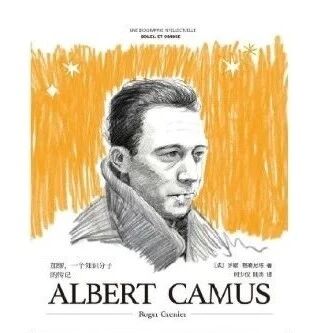
诺贝尔文学奖最值得看的12本书,一生至少要读一次
洞见· 2026-03-08 12:35
Core Viewpoint - The article emphasizes the importance of reading classic literature, particularly Nobel Prize-winning works, as a means to explore human nature, history, and reality, providing insights that can help individuals navigate modern life's complexities [5][142]. Summary by Sections Recommended Classic Works - The article recommends 12 classic Nobel Prize-winning books that represent literary peaks and deep explorations of human experience [6]. Individual Book Insights - **"Steppenwolf"**: The protagonist Harry embodies the internal struggle between societal desires and a yearning for a higher spiritual existence, reflecting a common psychological dilemma faced by modern individuals [12][15]. - **"Siddhartha"**: This novel illustrates the journey of a young Indian nobleman seeking enlightenment, emphasizing that life's true lessons come from personal experiences and choices rather than shortcuts [22][26]. - **"The Old Man and the Sea"**: Hemingway's simple narrative conveys profound human struggles and the dignity of perseverance, suggesting that true victory lies in the courage to face challenges [34][39]. - **"The Plague"**: Camus uses a plague as a metaphor for unexpected disasters, highlighting the importance of individual choices in times of crisis, which remains relevant today [46][49]. - **"The Stranger"**: This book explores themes of alienation and emotional detachment, offering a rare understanding of those who feel like outsiders in society [57][62]. - **"The Grapes of Wrath"**: Steinbeck's work documents the suffering of ordinary people during tough times, showcasing human resilience and the spirit of altruism amidst hardship [68][75]. - **"One Hundred Years of Solitude"**: García Márquez's narrative delves into the theme of solitude across generations, suggesting that recognizing this shared human experience can lead to acceptance and peace [78][85]. - **"Frog"**: Mo Yan's novel intertwines personal stories with broader historical themes, providing a unique perspective on Chinese rural life and the struggles of individuals against societal forces [90][96]. - **"Escape"**: This book reflects the universal desire to break free from mundane life, illustrating that true freedom comes with the responsibility of choices made [100][105]. - **"The Answer is Blowin' in the Wind"**: Dylan's lyrics challenge societal norms and inspire a quest for meaning, marking a significant cultural impact that transcends traditional literary forms [110][117]. - **"The Remains of the Day"**: Ishiguro's narrative serves as a poignant reminder of the importance of personal connections over professional accolades, urging readers to reflect on what truly matters in life [121][130]. - **"A Man's Place"**: Ernaux's work captures the essence of shared human experiences through fragmented memories, resonating with readers across different backgrounds [134][140].

2025年诺贝尔文学奖揭晓!引发热议
凤凰网财经· 2026-02-13 12:05
Core Viewpoint - The announcement of the 2025 Nobel Prize in Literature has generated global excitement, particularly highlighting Hungarian author László Krasznahorkai's appreciation for Chinese culture and literature, especially the works of Li Bai [1][4][5]. Group 1: Significance of Nobel Prize Literature - The Nobel Prize represents the pinnacle of achievement in the literary world, with each laureate being a leading intellectual whose works embody human wisdom and timeless philosophical insights [10]. - Notable figures, including famous authors and influential personalities, are avid readers of Nobel Prize-winning literature, indicating its profound impact on literary culture [12][14][15]. Group 2: The Value of Reading Nobel Prize Works - Engaging with Nobel Prize literature offers readers a chance to encounter the most representative authors of various eras, providing insights into human nature and life experiences [25][30]. - The collection of Nobel Prize works serves as a comprehensive resource for knowledge enlightenment and intellectual inspiration, especially in today's fragmented information age [31][32]. Group 3: The Complete Nobel Prize Literature Collection - The "Complete Collection of Nobel Prize Literature" includes works from 121 laureates, spanning 124 years, and is presented in a beautifully crafted edition, making it a unique literary treasure [33][34][35]. - This collection not only features the authors' biographies and award citations but also includes rare and out-of-print works, enhancing its value for readers [39][121]. Group 4: Special Features and Offers - The collection is accompanied by a commemorative booklet detailing the history and significance of the Nobel Prize, as well as insights into the selection process and controversies surrounding the awards [50][51][133]. - Special promotional pricing and exclusive gifts, such as a commemorative medal and collectible book tickets, are offered to encourage readers to acquire this literary collection [67][149].
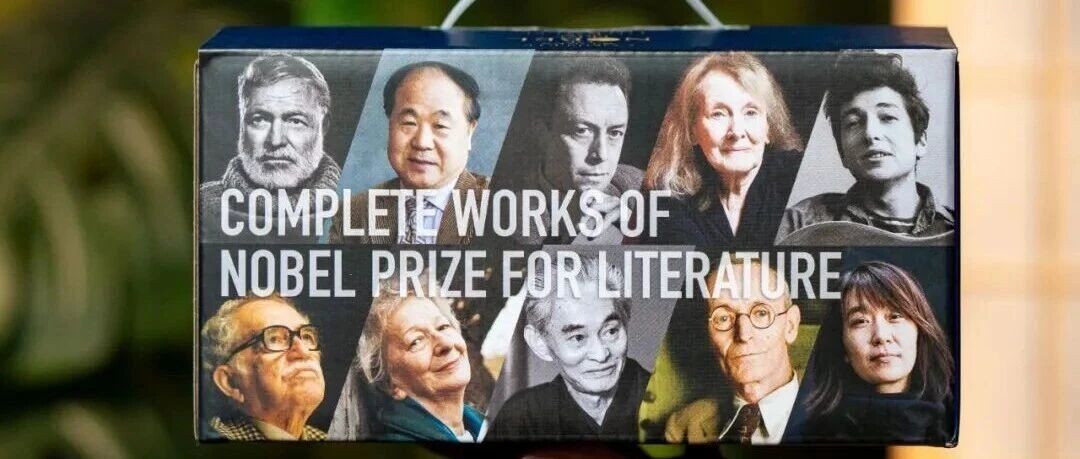
萨特的放弃与波伏瓦的审慎揭示当代小说拒绝道德上的心安理得
Xin Lang Cai Jing· 2026-01-18 00:58
Group 1 - The evolution of literary styles leads some authors to abandon their novelistic identity, as seen in the cases of Saint-Exupéry and Malraux, who transitioned to prose that expresses ideas without fictional characters [1] - Sartre's shift from novels to philosophical essays and plays represents a third option, where he retains his identity as a novelist while creating works that serve educational purposes rather than personal needs [2][3] - The disdain for the novel as a literary form is echoed by contemporaries like Valéry and Cioran, who view it as a lesser genre, suggesting a long-standing tradition of underestimating the novel's significance [4] Group 2 - The distinction between thematic and non-thematic works is blurred, as seen in the works of Jouhandeau and Genet, where early novels do not explicitly state their ethical and aesthetic positions [5] - The protagonist in novels often symbolizes transcendental ideas, reflecting the author's own transcendence or the ideals they wish to convey to readers [6] - In communist novels, redemption is often depicted through a narrative that emphasizes the triumph of good over evil, reinforcing the readers' belief in a better society [7] Group 3 - Sartre's narrative choices reflect a fundamental sense of powerlessness, as he interrupts the journey of his protagonist, suggesting a lack of confidence in the novel form [8] - The contemporary novel often rejects moral complacency, with protagonists who do not transform their misfortunes into external victories, highlighting a world where happiness and truth are seen as illusions [9] - The metaphysical novel, as explored by authors like Blanchot, seeks to understand a "pure" existence, devoid of specific subjectivity or objectivity, leading to a narrative that lacks depth [10][13] Group 4 - The failure of both naturalism and metaphysical novels stems from a shared disdain for the novel as a genre, which has historically been viewed as inferior [15] - The blending of naturalistic and metaphysical techniques in contemporary literature reflects a struggle to connect subjective experiences with meaningful narratives [14] - The prediction that Proust's work may restore balance and depth to the novel genre suggests a potential shift in literary focus away from the extremes of naturalism and metaphysics [16]
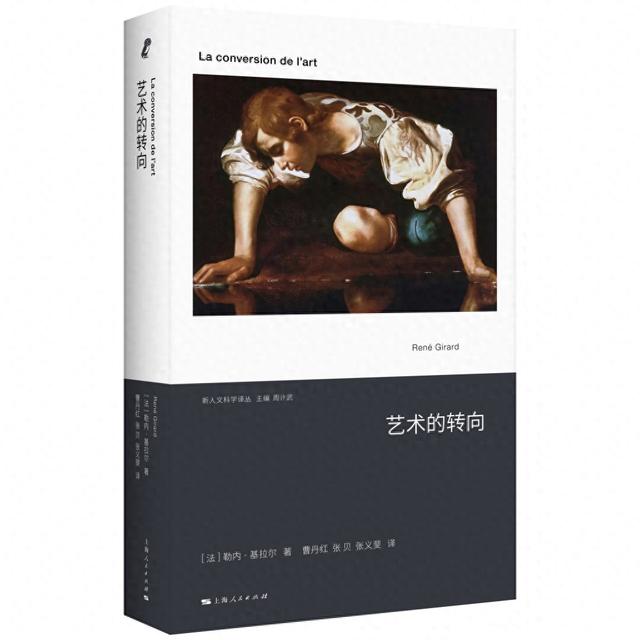
刚刚,2025年诺贝尔文学奖揭晓!引发热议
凤凰网财经· 2025-10-16 13:37
Core Viewpoint - The announcement of the 2025 Nobel Prize in Literature has generated global excitement, particularly highlighting Hungarian author László Krasznahorkai's appreciation for Chinese culture and literature, especially the works of Li Bai [1][4][5]. Group 1: Significance of Nobel Prize in Literature - The Nobel Prize represents the pinnacle of achievement in the literary world, with each laureate being a leading intellectual whose works embody human wisdom and timeless philosophical insights [10]. - Notable figures, including global leaders and renowned authors, are avid readers of Nobel Prize-winning literature, indicating its profound impact on literary culture [12][14][15]. Group 2: Impact of Nobel Literature on Readers - Reading Nobel Prize literature offers a unique opportunity to engage with high-quality content that enriches the reader's understanding of the world [7][8]. - The works of Nobel laureates cover a wide range of human experiences and themes, providing insights into life, love, and the human condition [102][119]. Group 3: Comprehensive Collection of Nobel Literature - The article promotes a complete collection of Nobel Prize-winning authors, featuring 121 writers and their significant works, which is presented as a unique opportunity for readers to access classic literature [33][35][94]. - This collection includes rare and out-of-print works, enhancing its value for literature enthusiasts [96][100]. Group 4: Educational Value of Nobel Literature - Engaging with Nobel Prize literature is portrayed as a means to gain knowledge and inspiration, with the potential to transform one's perspective on life and society [30][102]. - The collection serves as an educational resource, offering insights into various literary styles and the historical context of each author's work [28][121].
加缪:反抗无法推翻的处境,承受随之而来的巨大孤独感
Di Yi Cai Jing· 2025-07-04 01:54
Core Viewpoint - The ongoing relevance of the "Sartre-Camus dispute" highlights the enduring impact of Albert Camus's works, particularly "The Outsider" and "The Plague," which continue to resonate with readers today [1][3] Group 1: Historical Context - Camus wrote "The Rebel" during a time of societal division and political turmoil, reflecting on the aftermath of World War II and the rise of violence justified under various ideological banners [1][3] - The writing of "The Rebel" was influenced by Camus's observations of post-war France, where political purges and a toxic atmosphere of self-justification prevailed [1][3] Group 2: Philosophical Insights - Camus posits that regardless of the justification—be it revolutionary or counter-revolutionary—violence is often legitimized, and the focus should be on halting the violence itself rather than debating moral correctness [3][4] - The essence of Camus's philosophy is encapsulated in the idea that "I rebel, therefore we exist," emphasizing the necessity of rebellion against absurdity and the indifference of the universe [6][7] Group 3: Literary Contributions - "The Rebel" serves as a theoretical elevation of Camus's anti-violence stance, where he critiques the historical misuse of philosophical ideas, particularly those of Nietzsche, in justifying violence [6][7] - Camus's literary style in "The Rebel" is marked by a more argumentative tone compared to his previous works, reflecting the contentious nature of the subject matter [9][10] Group 4: Personal and Political Implications - The publication of "The Rebel" positioned Camus in opposition to Sartre, leading to a significant ideological divide among French intellectuals during the 1945-1952 period [8][10] - Despite the risks associated with his stance, Camus remained committed to his principles, advocating for a moral opposition to political violence, which ultimately led to his isolation in a politically charged environment [10][12]