豪华轿车格局重塑

Search documents
从BBA到SBBA:豪华轿车格局被重塑?
虎嗅APP· 2025-12-18 11:33
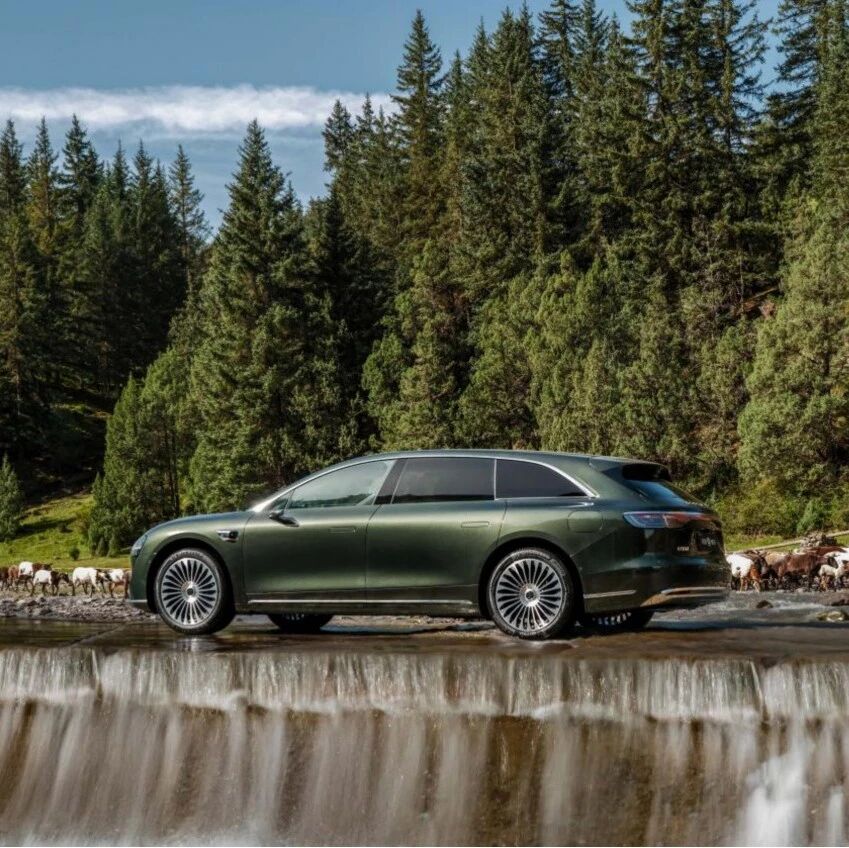
Core Viewpoint - The luxury car market in China is undergoing significant changes, with traditional luxury brands experiencing a decline in sales, particularly in the 300,000 to 400,000 RMB segment, which has seen a drop of 14.4% [1][3]. Group 1: Market Trends - In the first three quarters of 2025, BMW's deliveries in China fell by 11.2% to 464,000 units, while Mercedes-Benz's sales plummeted by 27% in Q3, leading to an 18% decline to 418,000 units for the first three quarters [3]. - The luxury car segment above 300,000 RMB is facing structural shifts, with Chinese brands attracting customers through competitive pricing and appealing specifications [3][4]. - The decline in sales for traditional luxury brands is not solely due to price competition but reflects a deeper structural change in consumer preferences [3][4]. Group 2: Importance of Sedans - Sedans are considered the cornerstone of luxury brands, providing high profit margins and serving as the brand's identity [6][7]. - Historical examples show that the rise of luxury brands often begins with a groundbreaking sedan, which establishes market dominance and brand prestige [8][9]. - Luxury sedans serve as social symbols, offering a unique "social card" advantage that is difficult to replicate with other vehicle types [10]. Group 3: Strategic Positioning of Xiangjie - Xiangjie aims to penetrate the core market of traditional luxury brands by offering a new product language and luxury logic, challenging the established dominance of BBA [11][12]. - The brand's sales data indicates a strong market presence, with over 6,700 units delivered in October and November 2025, and a target of over 10,000 units in December [13]. - The response from dealers, with over 100 applications from BBA dealers, reflects confidence in Xiangjie's potential to reshape the luxury car market [14]. Group 4: Product Differentiation - The Xiangjie S9 model addresses deep consumer needs that BBA brands have not met, focusing on providing a new luxury experience rather than just competitive specifications [18]. - The S9 offers unique features such as privacy protection and a health-oriented cabin design, elevating the vehicle from a mere transportation tool to a space for relaxation and rejuvenation [19][21]. - The Xiangjie S9T redefines the luxury travel car concept by integrating emotional value and aesthetic appeal, catering to consumers seeking distinctiveness [22][24]. Group 5: Future Outlook - Xiangjie plans to expand its product line to include SUVs and MPVs by 2026, moving from a single product focus to a broader ecological competition strategy [16]. - The collaboration between Beiqi and Huawei aims to create a robust ecosystem that supports continuous technological advancement and market competitiveness [16]. - The emergence of the "SBBA" market structure signifies a shift in luxury car definitions, with Xiangjie positioned to challenge traditional luxury brands effectively [26].