
负责任商业行为(RBC)

Search documents
OECD驻华代表:从合规到增值——负责任行为如何驱动商业成功
Xin Lang Cai Jing· 2026-02-12 09:00
Core Insights - The article emphasizes the urgent need for systematic approaches to address the intertwined challenges of environmental, economic, and social issues, particularly the "triple environmental crisis" of climate change, biodiversity loss, and pollution [1][16][19] - It highlights the importance of international cooperation and innovative financing mechanisms to mobilize private capital in tackling these crises [2][11][20] Group 1: Triple Environmental Crisis - The "triple environmental crisis" consists of climate change, biodiversity loss, and pollution, which require coordinated responses from governments and businesses [4][19] - Current climate financing is heavily reliant on public funds, but the OECD indicates that climate funding needs to quadruple by 2030 in emerging markets and developing economies [20] - Private sector financing currently accounts for only about 20% of total climate investment, indicating significant room for growth [20] Group 2: Financing Solutions - Three suggested pathways to enhance climate financing include exploring mixed financing models, leveraging public policy banks, and utilizing the collaborative power of multilateral development banks [5][20] - Financial institutions must integrate climate change, biodiversity protection, and pollution governance into their decision-making processes [5][20] Group 3: Transition to Responsible Business Conduct (RBC) - Companies are expected to adopt "Responsible Business Conduct" (RBC) to address the triple environmental crisis, as outlined in the OECD guidelines [6][21] - The lack of uniform ESG standards globally creates confusion for companies, necessitating a shift towards RBC that encompasses environmental, social, and governance considerations [21][22] - The RBC standards have been incorporated into various national laws, enhancing compliance and aligning with international climate and biodiversity goals [22][23] Group 4: Future Cooperation Directions - Future cooperation between China and the OECD is expected to focus on environmental governance and tax reform, addressing pressing global challenges [9][24][25] - The OECD has recognized China's contributions to its database and policy analysis, highlighting the mutual benefits of their long-standing collaboration [11][24] Group 5: Challenges and Opportunities of Aging Society and AI - The aging population and the rise of AI present both challenges and opportunities, necessitating a thorough analysis of their impacts on labor and skills [13][27] - There is a need for supportive policies in education and employment to adapt to changes brought by aging and AI, as many companies are not yet actively utilizing AI technologies [28][29] - Knowledge sharing among governments, local authorities, and industry associations is crucial to help businesses navigate the complexities introduced by these trends [29]

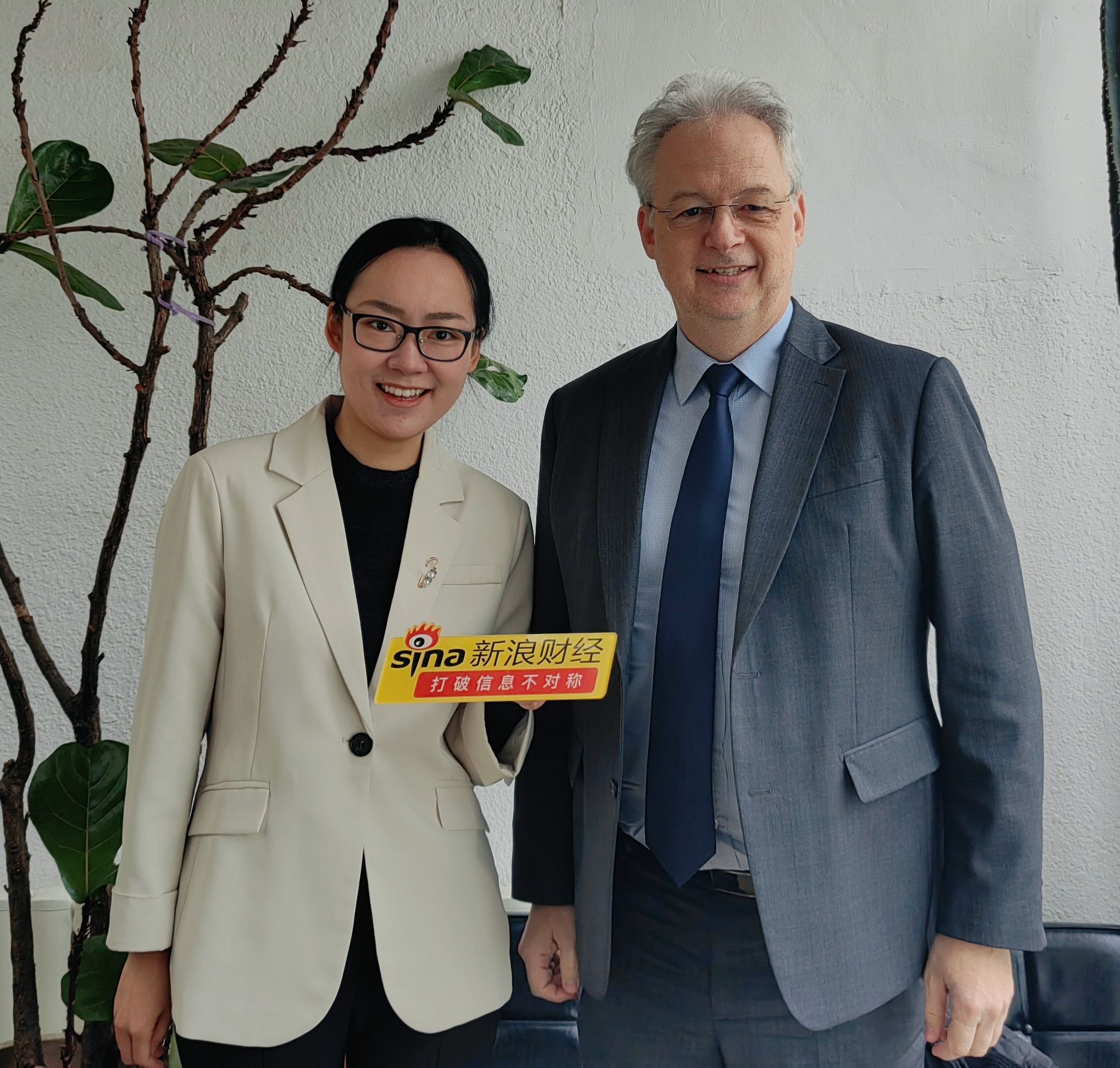
对话OECD驻华代表:从合规到增值——负责任行为如何驱动商业成功
Xin Lang Cai Jing· 2026-01-21 09:09
Group 1 - The world is facing a "triple planetary crisis" consisting of climate change, biodiversity loss, and pollution, which requires a comprehensive response [5][45][57] - Current climate finance is primarily sourced from public funds, but the OECD indicates that private capital mobilization is crucial, as private financing accounts for only about one-fifth of total climate investment [16][58][59] - The OECD suggests several pathways to enhance climate financing, including blended finance, leveraging public policy banks, and utilizing multilateral development banks [17][59] Group 2 - Businesses have a responsibility to address the triple crisis, and government expectations are reflected in ESG principles, which currently face challenges such as a lack of unified standards [18][47][60] - The OECD promotes "Responsible Business Conduct" (RBC) as a framework for companies to manage their environmental and social impacts, which has been integrated into various national laws [19][48][62] - The Inclusive Forum on Carbon Mitigation Approaches (IFCMA) is an OECD initiative aimed at facilitating equal participation among countries to share policies and practices for achieving climate goals [22][63] Group 3 - International cooperation is essential for addressing pressing global challenges, particularly the triple planetary crisis, which cannot be solved by any single nation [30][52][31] - Taxation is identified as a critical area for international collaboration, especially in the context of the digital economy and the OECD's BEPS project [31][53] - The aging population and AI are significant trends that will reshape labor and skill needs, presenting both challenges and opportunities for businesses [32][54][34] Group 4 - The importance of knowledge sharing among governments, local authorities, and industry associations is emphasized to help businesses navigate the complexities of aging and AI [39][56] - Companies need supportive policy environments, including education and training initiatives, to adapt to changes brought by aging and AI [37][55] - The OECD is working on improving vocational education systems to better meet the demands of the labor market influenced by these megatrends [38][55]