ESG服务

Search documents
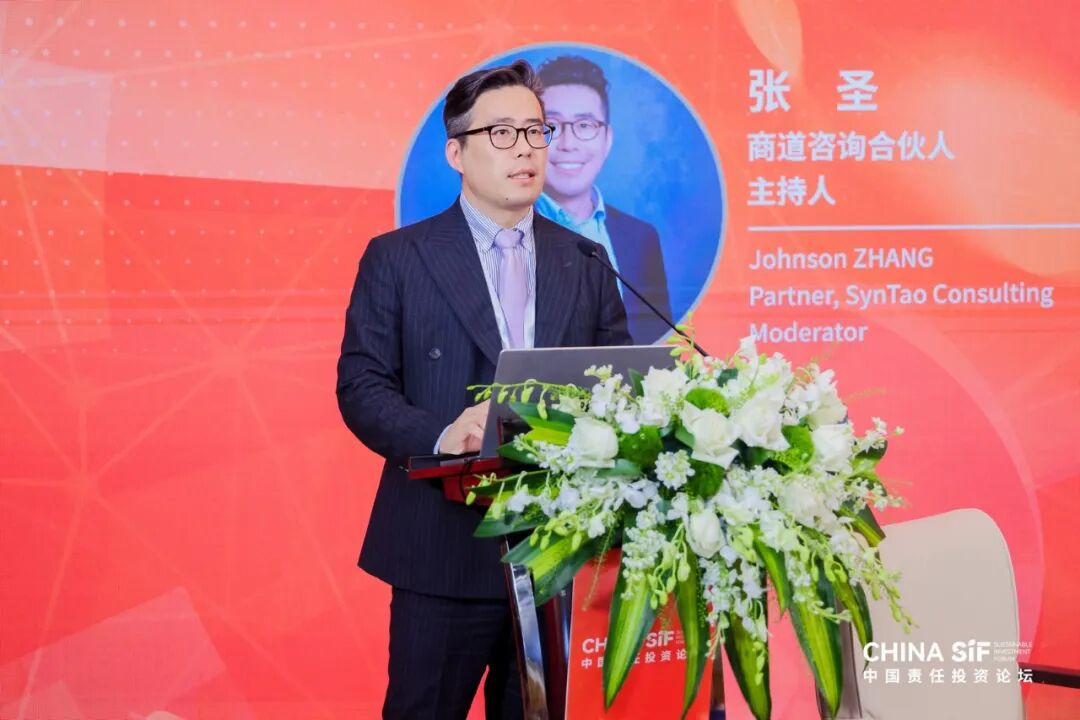
对话联合国亚太经社委员会东亚办事处主任:东亚可持续发展需聚焦气候韧性、人口转型与数字包容
Xin Lang Cai Jing· 2026-02-25 01:15
Group 1 - East Asia and Northeast Asia are at a critical crossroads for sustainable development, facing challenges such as climate change, demographic shifts, and technological revolutions [1][33] - The region exhibits unique practical wisdom in pursuing high-quality development while revealing deep governance issues [1][33] Group 2 - A key governance challenge is policy fragmentation across agencies and levels of government, often due to differing mandates and insufficient communication [3][35] - Countries are increasingly adopting a "whole-of-government" approach to address these governance challenges [3][35] Group 3 - Ensuring data reliability for evidence-based decision-making is crucial, requiring the establishment of digital monitoring systems and the closing of data gaps [4][36] - The production of reliable data necessitates significant effort from both local and national authorities and relies heavily on public trust [4][36] Group 4 - Persistent financing constraints hinder the mobilization of sufficient resources for long-term sustainable development goals (SDGs) implementation [5][38] - Addressing financing gaps requires stronger integrated financing frameworks and improved coordination among various governmental sectors [5][38] Group 5 - A robust environmental and social governance (ESG) framework can deliver significant benefits for companies, including improved market access and reduced compliance-related disruptions [6][39] - Companies that proactively plan for ESG obligations are better positioned to maintain their market presence both domestically and internationally [6][39] Group 6 - ESG compliance can enhance a company's reputation and competitiveness within supply chains, making them preferred suppliers for larger companies [7][40] - Financial institutions are increasingly offering preferential financing conditions to companies that comply with recognized ESG standards [7][40] Group 7 - China has made significant progress in sustainable development, including commitments to peak carbon emissions by 2030 and achieve carbon neutrality by 2060 [8][41] - The country has also eradicated extreme poverty and is focused on improving social quality of life while addressing demographic changes [8][41] Group 8 - China actively participates in regional platforms to support sustainable development efforts in Asia-Pacific countries, particularly for the least developed nations [8][56] - There is considerable scope for China to accelerate its energy transition by expanding renewable energy and addressing critical infrastructure needs [8][57]


生态环境部等联合印发《生态文明建设示范区(生态工业园区)管理办法》
Xin Lang Cai Jing· 2026-02-13 04:13
Core Viewpoint - The newly revised "Management Measures for Ecological Civilization Construction Demonstration Zones (Ecological Industrial Parks)" aims to enhance the ecological development of industrial parks, promoting green production and low-carbon, circular development in the industrial sector [3][4]. Group 1: Overview of Ecological Industrial Parks - Since 2001, 73 industrial parks across 19 provinces have been designated as ecological industrial parks, contributing 8.5% of the national industrial added value while maintaining 84% lower pollutant emission intensity compared to the national average and achieving over 89% in solid waste comprehensive utilization [3][8]. - The existing management system for ecological industrial parks is based on "one method and two standards," which includes the "National Ecological Industrial Demonstration Park Management Measures," "National Ecological Industrial Demonstration Park Standards," and "Guidelines for the Preparation of Ecological Industrial Park Construction Plans" [4][8]. Group 2: Key Changes in the Revised Management Measures - The revised management measures emphasize the coordination of pollution reduction and carbon reduction, optimizing management processes, and establishing a framework where provincial authorities organize the creation and national authorities handle acceptance and naming [4][9]. - The new measures enhance supervision during and after the process, detailing performance evaluation and exit mechanisms to ensure the quality of park creation. For instance, the previous three-year review after naming has been changed to a performance evaluation, with warnings for parks that do not meet standards [4][9]. - Specific conditions for revoking naming have been clarified, including severe environmental pollution incidents and data falsification, with a prohibition on reapplying for a period after revocation [4][9]. - An "incentive measures" chapter has been added, focusing on financial support, technological innovation assistance, and funding for ecological industrial parks to promote high-quality development [4][9].
香港金融管理局发布第2A阶段《香港可持续金融分类目录》
Xin Lang Cai Jing· 2026-02-13 04:07
Core Viewpoint - The Hong Kong Monetary Authority (HKMA) has released the Phase 2A prototype of the Hong Kong Sustainable Finance Classification Framework, marking a significant step towards promoting green and sustainable financing and supporting low-carbon transitions in the region [1][4]. Group 1: Hong Kong Sustainable Finance Classification Framework - The HKMA aims to establish a robust and transparent framework to define economic activities that contribute to green and sustainable development [1][4]. - Following the release of the first phase of the classification framework in May 2024, the HKMA will conduct public consultations on the Phase 2A prototype in September 2025 to expand the scope and optimize the framework [1][4]. - During the consultation period, the HKMA received feedback from various stakeholders, including banks, professional organizations, asset management companies, enterprises, NGOs, think tanks, and public institutions, with general support for expanding the classification scope and including transition elements and climate adaptation categories [1][4]. Group 2: Ongoing Development and Communication - The HKMA will continue to update the classification framework and is implementing the next phase of development, focusing on market development, public policy, industry priorities, and the latest technological advancements while maintaining communication with market participants and a wide range of stakeholders [2][5]. Group 3: ESG Rating Center - The Sina Finance ESG Rating Center provides 14 ESG services, including information, reports, training, and consulting, to help listed companies promote ESG concepts and enhance their sustainable development performance [1][4]. - The center aims to promote sustainable development and responsible investment, advocating for ESG values and practices while facilitating the establishment of ESG assessment standards in China [3][6]. - Through the ESG Rating Center, Sina Finance has launched multiple ESG innovation indices to offer more options for investors focused on corporate ESG performance [3][6].
OECD驻华代表:从合规到增值——负责任行为如何驱动商业成功
Xin Lang Cai Jing· 2026-02-12 09:00
Core Insights - The article emphasizes the urgent need for systematic approaches to address the intertwined challenges of environmental, economic, and social issues, particularly the "triple environmental crisis" of climate change, biodiversity loss, and pollution [1][16][19] - It highlights the importance of international cooperation and innovative financing mechanisms to mobilize private capital in tackling these crises [2][11][20] Group 1: Triple Environmental Crisis - The "triple environmental crisis" consists of climate change, biodiversity loss, and pollution, which require coordinated responses from governments and businesses [4][19] - Current climate financing is heavily reliant on public funds, but the OECD indicates that climate funding needs to quadruple by 2030 in emerging markets and developing economies [20] - Private sector financing currently accounts for only about 20% of total climate investment, indicating significant room for growth [20] Group 2: Financing Solutions - Three suggested pathways to enhance climate financing include exploring mixed financing models, leveraging public policy banks, and utilizing the collaborative power of multilateral development banks [5][20] - Financial institutions must integrate climate change, biodiversity protection, and pollution governance into their decision-making processes [5][20] Group 3: Transition to Responsible Business Conduct (RBC) - Companies are expected to adopt "Responsible Business Conduct" (RBC) to address the triple environmental crisis, as outlined in the OECD guidelines [6][21] - The lack of uniform ESG standards globally creates confusion for companies, necessitating a shift towards RBC that encompasses environmental, social, and governance considerations [21][22] - The RBC standards have been incorporated into various national laws, enhancing compliance and aligning with international climate and biodiversity goals [22][23] Group 4: Future Cooperation Directions - Future cooperation between China and the OECD is expected to focus on environmental governance and tax reform, addressing pressing global challenges [9][24][25] - The OECD has recognized China's contributions to its database and policy analysis, highlighting the mutual benefits of their long-standing collaboration [11][24] Group 5: Challenges and Opportunities of Aging Society and AI - The aging population and the rise of AI present both challenges and opportunities, necessitating a thorough analysis of their impacts on labor and skills [13][27] - There is a need for supportive policies in education and employment to adapt to changes brought by aging and AI, as many companies are not yet actively utilizing AI technologies [28][29] - Knowledge sharing among governments, local authorities, and industry associations is crucial to help businesses navigate the complexities introduced by these trends [29]
荣正集团与博涵财经达成战略合作 合并ESG业务设立新公司
Zheng Quan Ri Bao Wang· 2026-02-09 13:49
Group 1 - The core viewpoint of the article is the strategic cooperation between Rongzheng Group and Bohan Finance to enhance their ESG-related services and market competitiveness [1][2] - The collaboration aims to integrate their ESG-related businesses and establish a new consulting company, Rongzheng Bohan Enterprise Management Consulting Co., Ltd [1][2] - This partnership is seen as a proactive response to the increasing demand for specialized ESG services and aims to provide comprehensive ESG solutions to clients [2] Group 2 - The strategic cooperation is expected to improve the overall service system and enhance service capabilities for both companies [2] - The companies will leverage their strengths in client resources, compliance management, and professional services to achieve resource complementarity and collaborative development [2] - Future steps include deepening cooperation and strengthening professional service capabilities to support sustainable development and high-quality growth in the capital market [3]

对话OECD驻华代表:从合规到增值——负责任行为如何驱动商业成功
Xin Lang Cai Jing· 2026-01-21 09:09
Group 1 - The world is facing a "triple planetary crisis" consisting of climate change, biodiversity loss, and pollution, which requires a comprehensive response [5][45][57] - Current climate finance is primarily sourced from public funds, but the OECD indicates that private capital mobilization is crucial, as private financing accounts for only about one-fifth of total climate investment [16][58][59] - The OECD suggests several pathways to enhance climate financing, including blended finance, leveraging public policy banks, and utilizing multilateral development banks [17][59] Group 2 - Businesses have a responsibility to address the triple crisis, and government expectations are reflected in ESG principles, which currently face challenges such as a lack of unified standards [18][47][60] - The OECD promotes "Responsible Business Conduct" (RBC) as a framework for companies to manage their environmental and social impacts, which has been integrated into various national laws [19][48][62] - The Inclusive Forum on Carbon Mitigation Approaches (IFCMA) is an OECD initiative aimed at facilitating equal participation among countries to share policies and practices for achieving climate goals [22][63] Group 3 - International cooperation is essential for addressing pressing global challenges, particularly the triple planetary crisis, which cannot be solved by any single nation [30][52][31] - Taxation is identified as a critical area for international collaboration, especially in the context of the digital economy and the OECD's BEPS project [31][53] - The aging population and AI are significant trends that will reshape labor and skill needs, presenting both challenges and opportunities for businesses [32][54][34] Group 4 - The importance of knowledge sharing among governments, local authorities, and industry associations is emphasized to help businesses navigate the complexities of aging and AI [39][56] - Companies need supportive policy environments, including education and training initiatives, to adapt to changes brought by aging and AI [37][55] - The OECD is working on improving vocational education systems to better meet the demands of the labor market influenced by these megatrends [38][55]
2025中国企业ESG“金责奖”责任投资最佳资产管理机构奖揭晓
Xin Lang Cai Jing· 2026-01-15 07:43
Core Viewpoint - The 2025 China Enterprise ESG "Golden Responsibility Award" recognizes companies that excel in environmental, social, and governance (ESG) practices, promoting sustainable development in China [1][4]. Group 1: Award Overview - The award aims to honor enterprises and institutions that have made significant contributions to the ESG cause in China, emphasizing the importance of responsibility in sustainable development [1][4]. - The award selection process began in November 2025, attracting over 5,000 participating companies, and involved a rigorous evaluation based on ESG performance, professional scoring, and online voting [5]. Group 2: Award Winners - The winners of the "Best Responsible Investment Asset Management Institution" category include Guoshou Asset, Huaxia Wealth, Xingyin Wealth, Taikang Asset, Taibao Asset, and Galaxy Investment [2][5]. - The award committee congratulated the winning companies and expressed hope that they would lead by example, enhancing their ESG capabilities and contributing to high-quality development in China [2][5]. Group 3: ESG Rating Center - The Sina Finance ESG Rating Center is the first Chinese platform dedicated to ESG information and ratings, promoting sustainable development and responsible investment [3][6]. - The center aims to establish ESG evaluation standards suitable for China's characteristics and enhance the ESG investment development in the asset management industry [3][6].


2025中国企业ESG“金责奖”最佳责任进取奖揭晓
Xin Lang Cai Jing· 2026-01-15 07:31
Core Viewpoint - The 2025 China Enterprise ESG "Golden Responsibility Award" aims to recognize companies that have made significant contributions to ESG (Environmental, Social, and Governance) practices, with over 5,000 enterprises participating in the evaluation process [1][4]. Group 1: ESG Award Overview - The award was launched in November 2025 by Sina Finance ESG Rating Center, focusing on promoting sustainable development and responsible investment [1][4]. - The award emphasizes the importance of responsibility in ESG practices, symbolizing that responsibility is as valuable as gold [1][4]. - The evaluation process included comprehensive performance assessments, professional scoring, and online voting, culminating in the announcement of the award winners after three months of competition [1][4]. Group 2: Award Winners - The "Best Responsibility Initiative Award" was awarded to ten companies, including: - Fenghuo Communication - Wens Foodstuff Group - Haitian Flavoring and Food - Aier Eye Hospital - Yunnan Baiyao - Anker Innovation - Jinfa Technology - Huatai Securities - Seres - Hainengda [2][5]. - The award committee congratulated the winners and expressed hope that these companies will lead by example in enhancing their ESG capabilities and contribute to China's high-quality development [2][5]. Group 3: ESG Rating Center Introduction - The Sina Finance ESG Rating Center is the first Chinese platform dedicated to ESG information and ratings, promoting sustainable development and responsible investment [3][6]. - The center aims to establish ESG evaluation standards suitable for China's characteristics and enhance corporate ratings [3][6]. - It also publishes multiple ESG innovation indices to provide investors with more options regarding corporate ESG performance [3][6].






China SIF|年会平行论坛探讨ESG评级与应用多元化
Xin Lang Cai Jing· 2025-12-12 09:14
Core Insights - The 13th China Responsible Investment Forum (China SIF) successfully held in Beijing on December 2, 2025, focused on global responsible investment trends and ESG investment opportunities [1][20][39] - The forum featured discussions on the diversification of ESG ratings and their applications, highlighting the importance of high-quality data disclosure from listed companies for effective ESG ratings [22][24] Group 1: ESG Ratings and Applications - The forum included a parallel session on "Diversification of ESG Ratings and Applications," featuring speakers from various financial institutions discussing the integration of ESG ratings into investment practices [2][21] - Speakers emphasized the need for a combination of quantitative data and qualitative insights in ESG analysis to enhance responsible investment and corporate sustainable value creation [24][25] - The importance of adapting ESG rating methodologies to different industries was highlighted, with a focus on developing customized approaches based on industry-specific issues and data [27][29] Group 2: Sustainable Investment Frameworks - The sustainable investment framework presented by a speaker from法巴农银理财 integrates international practices with local research to create a substantive ESG evaluation system [3][25] - The discussion included the challenges faced in the diverse applications of ESG ratings and the necessity for continuous improvement in ESG investment strategies [25][31] - The role of AI and regulatory changes in enhancing the quality and foresight of ESG ratings was also discussed, indicating a trend towards more robust ESG frameworks [27][33] Group 3: Financial Performance and ESG Correlation - Research presented by南方基金 indicated a positive correlation between high ESG ratings and strong financial performance, including higher profitability and cash flow metrics [9][31] - The findings suggest that companies with better ESG ratings tend to offer higher shareholder returns, reinforcing the link between ESG practices and financial health [31] Group 4: Future Trends and Challenges - The forum participants acknowledged the recent backlash against ESG investments in some regions but emphasized the importance of maintaining a consistent and long-term approach to responsible investment [29] - The integration of sustainable factors into fundamental analysis and investment processes is expected to create new research and investment opportunities, particularly in the context of China's climate action and green finance initiatives [29][31] - The anticipated evolution of ESG practices by 2026, driven by improved governance and disclosure standards, was highlighted as a key area for future development [33]
China SIF|多方共话农业可持续发展与自然金融,共探中巴合作新路径
Xin Lang Cai Jing· 2025-12-12 08:52
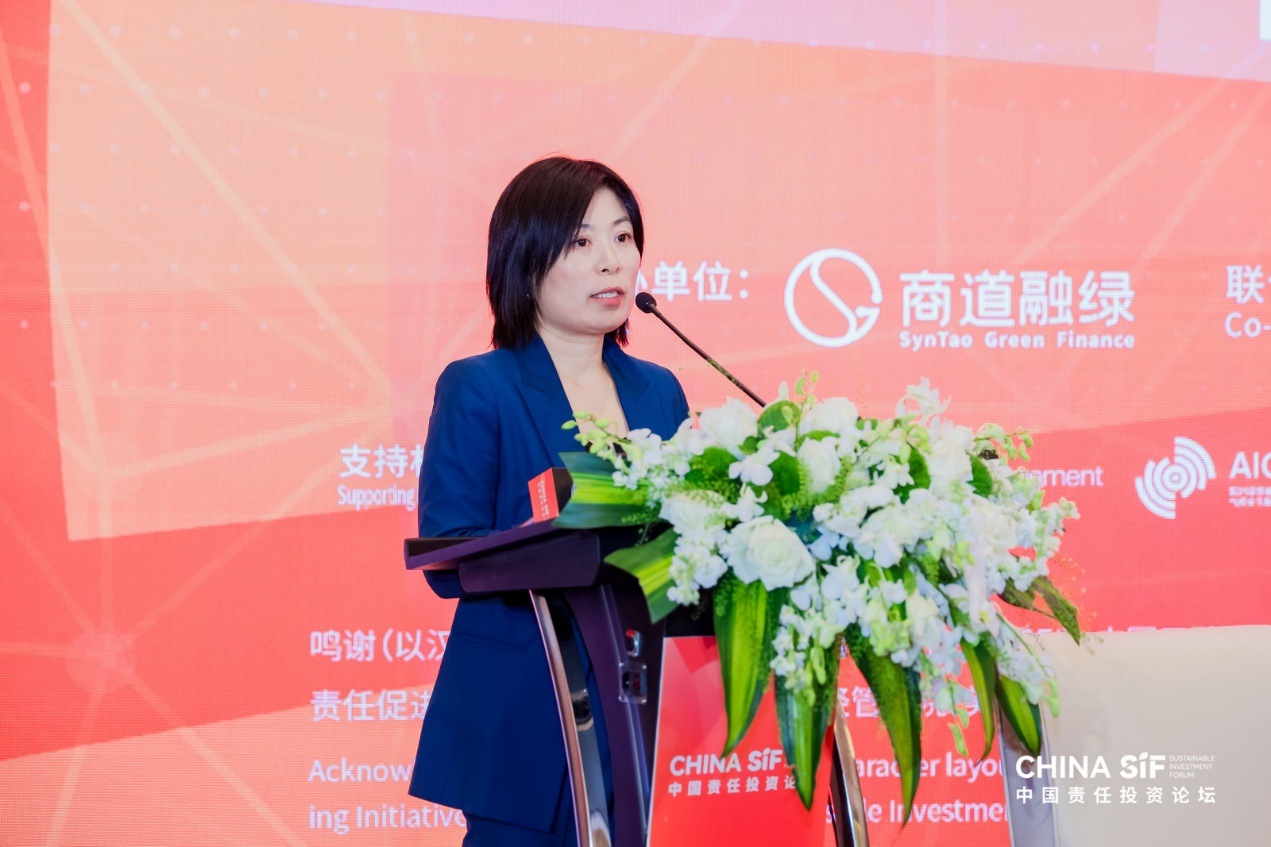
Core Insights - The 13th China Responsible Investment Forum successfully held discussions on global responsible investment trends and ESG investment opportunities, highlighting the importance of sustainable practices in agriculture and finance [1][15][31] Group 1: Event Overview - The forum was co-hosted by the China Green Finance Committee and various international organizations, featuring experts from regulatory, market, academic, and international sectors [1][15] - A parallel forum focused on "Sustainable Agriculture Development and Natural Finance," emphasizing the structural complementary advantages between China and Brazil in the agricultural supply chain [1][4] Group 2: Key Discussions - Discussions highlighted the transition from traditional bulk trade to sustainable supply chains, driven by green finance and multi-stakeholder collaboration [1][4][20] - The World Resources Institute noted that discussions on "natural capital" have evolved to become a core factor influencing funding costs, with a focus on nature-based solutions in climate action [3][19] Group 3: Agricultural Cooperation - China and Brazil's agricultural cooperation is seen as crucial for global food security, facing challenges such as climate change and differing standards [4][20] - The partnership is expected to enhance both countries' positions in global environmental governance and accelerate the implementation of green finance strategies [8][24] Group 4: Financial Tools and Risks - The FAIRR Initiative presented research on natural risks, including water and deforestation risks associated with soybean production, and how these impact investor communications with Chinese companies [6][22] - The need for financial tools to quantify and reflect "natural" value in investment decisions was emphasized, alongside the importance of addressing local needs in Brazil for effective green finance implementation [10][26] Group 5: Future Challenges and Collaboration - The roundtable discussions underscored the necessity for collaboration among governments, financial institutions, enterprises, and social organizations to effectively integrate natural capital with sustainable agricultural development [28][29] - The importance of existing data for decision-making in natural and financial contexts was highlighted, stressing that delays in data acquisition could jeopardize environmental and food security [29]