负责任的增长

Search documents
专访欧洲旅游委CEO:欧洲力推小众目的地,欢迎更多中国游客
2 1 Shi Ji Jing Ji Bao Dao· 2026-02-04 13:05
Core Insights - Despite global economic challenges, the European tourism industry demonstrates strong resilience and is actively promoting market diversification and high-quality growth [1][3]. Group 1: Market Trends - The European Tourism Commission (ETC) emphasizes that Europe will continue to be the world's primary tourist destination, with Chinese tourists playing a crucial role in this dynamic [1][3]. - Post-pandemic, there has been a significant shift in Chinese tourist behavior, with a decline in large group tours and a rise in independent travel and small group tours [2][6]. - Chinese tourists are increasingly interested in cultural experiences and view Europe as an exotic destination that inspires them [5][7]. Group 2: Strategic Initiatives - The introduction of the ICBC-Mastercard co-branded credit card aims to facilitate cross-border travel by offering convenient payment options in multiple currencies, including RMB and several European currencies [1]. - The ETC is focusing on promoting emerging destinations such as Croatia, Poland, Finland, Portugal, Malta, and Norway to alleviate overtourism in traditional hotspots [2][7]. - Enhancing air connectivity between China and Europe is seen as vital for deepening tourism cooperation and increasing the flow of tourists in both directions [3][4]. Group 3: Quality Over Quantity - The ETC's strategy prioritizes attracting responsible tourists who value safety and quality experiences over sheer numbers [4][6]. - The goal is to create valuable travel experiences for Chinese tourists, reflecting a shift towards quality tourism rather than just increasing visitor counts [4][6].
花旗中国新任“掌门人”,首次发声!
证券时报· 2025-11-05 04:40
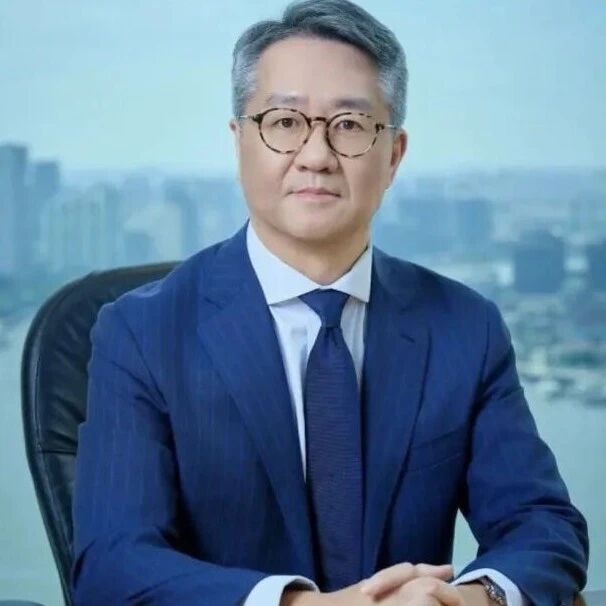
Core Viewpoint - The article discusses the strategic return of Zhang Wenjie as the President of Citigroup China, emphasizing the importance of a dual perspective gained from extensive experience in both local and foreign banks, and the need to adapt to new market changes while maintaining the bank's core values and commitments to China [2][5]. Group 1: Strategic Focus and Market Position - Citigroup's unique positioning in the Chinese financial ecosystem is attributed to its unparalleled global network and unified cross-border service capabilities, serving both multinational corporations operating in China and assisting Chinese enterprises in their global expansion [6][8]. - The bank has identified new characteristics in the outbound expansion of Chinese enterprises, with a shift from state-owned enterprises to private companies in sectors like technology and advanced manufacturing [7]. - Citigroup has facilitated over 100 Chinese companies in accessing international capital markets over the past decade, with a total financing scale of $100 billion [7]. Group 2: Future Plans and Resource Allocation - In the next three to five years, Citigroup plans to focus its resources on advanced manufacturing, technological modernization, and AI, aligning with China's policy directions [8]. - The bank aims to enhance its coverage in key trade corridors, including ASEAN, Latin America, and the Middle East, while providing tailored solutions to meet local demands [8]. Group 3: Commitment to Growth and Risk Management - Citigroup emphasizes "responsible growth" by prioritizing long-term partnerships with clients over short-term transactions, maintaining a focus on the right clients and transactions [14]. - The bank's core competitive advantage lies in its efficient and unified cross-border financial service capabilities, which are essential for both Chinese enterprises going global and international capital entering China [14]. Group 4: Leadership Philosophy and Talent Development - The leadership philosophy at Citigroup is centered around a customer-first approach, ensuring that all decisions are made with the clients' best interests in mind [15]. - The bank places significant importance on local talent development, with a strong emphasis on training programs to build a robust talent pipeline [16].