财富大重置

Search documents
两头“灰犀牛”来袭,350000亿美元蒸发?
Hu Xiu· 2025-10-20 09:47
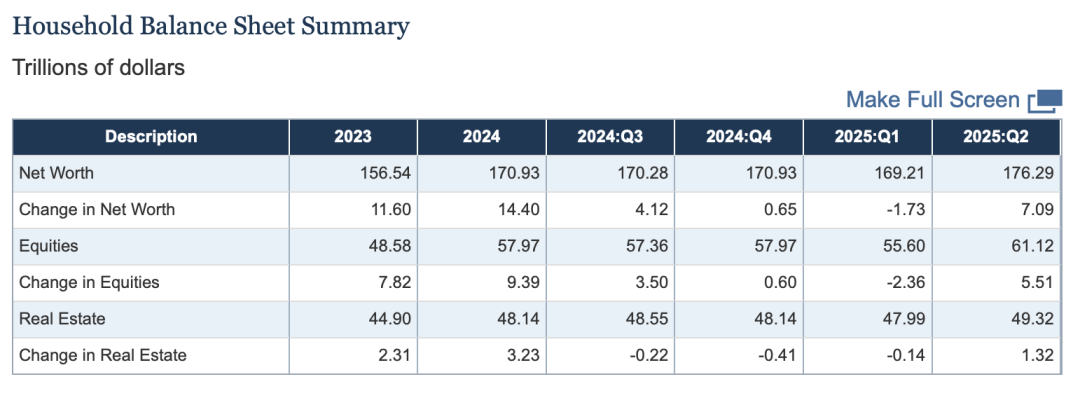
Core Insights - The International Monetary Fund (IMF) has raised alarms about the fragility of the global financial system, highlighting risks from the private credit market and potential stock market crashes [1][2][3] Group 1: Private Credit Market Risks - IMF President Kristalina Georgieva warned that the private credit market has surpassed $2.3 trillion, exceeding regulatory and monitoring capabilities, which poses a significant risk [1] - The high leverage and low transparency of private credit funds could trigger the next round of credit tightening [1] Group 2: Stock Market Crash Implications - Gita Gopinath, the IMF's First Deputy Managing Director, stated that a U.S. stock market crash could lead to losses exceeding $20 trillion for American households and around $15 trillion for foreign investors, surpassing the impact of the 2000 internet bubble [2][4] - If a market correction similar to the internet bubble occurs, it could erase over 70% of the projected 2024 U.S. GDP in household wealth [4] Group 3: Historical Context and Comparisons - The internet bubble burst (2000-2002) saw the NASDAQ index drop approximately 78% and the S&P 500 index decline about 49% [7] - The potential losses from a 35% market correction today would be significantly larger due to the increased market size and global exposure to U.S. assets compared to 2000 [6][12] Group 4: Economic Impact and Consumer Spending - A significant stock market decline could severely impact consumer spending, which has been growing at a slower rate compared to the late 1990s [15][19] - The top 10% of income earners, who are most sensitive to stock market fluctuations, account for nearly half of U.S. consumption, indicating a potential for substantial economic repercussions [17][18] Group 5: Challenges in Crisis Recovery - Unlike previous crises, the current economic environment may not support a quick recovery due to various factors, including high government debt and trade tensions [24][26] - The potential for a more severe and prolonged economic downturn is heightened by the lack of coordinated global responses and diminished trust in U.S. financial assets [22][25][26]

两头“灰犀牛”来袭!350000亿美元蒸发?
华尔街见闻· 2025-10-20 09:24
Core Viewpoint - The International Monetary Fund (IMF) has issued warnings about the increasing fragility of the global financial system, highlighting the risks posed by the private credit market and the potential consequences of a stock market crash in the U.S. [6][7] Group 1: IMF Warnings - IMF President Kristalina Georgieva expressed concerns that the private credit market has surpassed $2.3 trillion, exceeding regulatory and monitoring capabilities, which could trigger a credit tightening [6]. - Gita Gopinath, the IMF's First Deputy Managing Director, indicated that a stock market crash in the U.S. could lead to losses exceeding $20 trillion for American households and around $15 trillion for foreign investors, potentially resulting in a more severe global economic crisis than the 2000 dot-com bubble [6][9]. Group 2: Historical Context and Comparisons - The potential losses from a stock market downturn today would be significantly larger than those experienced during the 2000-2002 internet bubble, where foreign losses were approximately $2 trillion, equivalent to about $4 trillion in today's value [10][11]. - The analysis suggests that a 35% market correction, representative of the internet bubble's impact, could erase $20 trillion in U.S. household wealth, which is about 70% of the projected 2024 U.S. GDP [9][14]. Group 3: Economic Implications - The current economic environment shows that U.S. consumer spending growth is already weak, with real personal consumption expenditures (PCE) expected to grow at around 2.5%-2.6%, compared to 4%-5% during the late 1990s [20][21]. - A significant decline in the stock market could lead to a substantial drop in consumer spending, which constitutes about 70% of U.S. GDP, potentially lowering GDP growth by at least 2 percentage points [22][23]. Group 4: Recovery Challenges - Historical patterns of "safe-haven" investments during crises may not hold in the next downturn, as recent political actions have raised doubts about the Federal Reserve's independence and effectiveness [25][26]. - The current geopolitical landscape and high levels of government debt limit the U.S.'s ability to implement fiscal stimulus measures similar to those used in past crises, making recovery more challenging [26].