
贴息

Search documents
基金结算新规封堵货币增强套利
2 1 Shi Ji Jing Ji Bao Dao· 2025-11-28 01:42
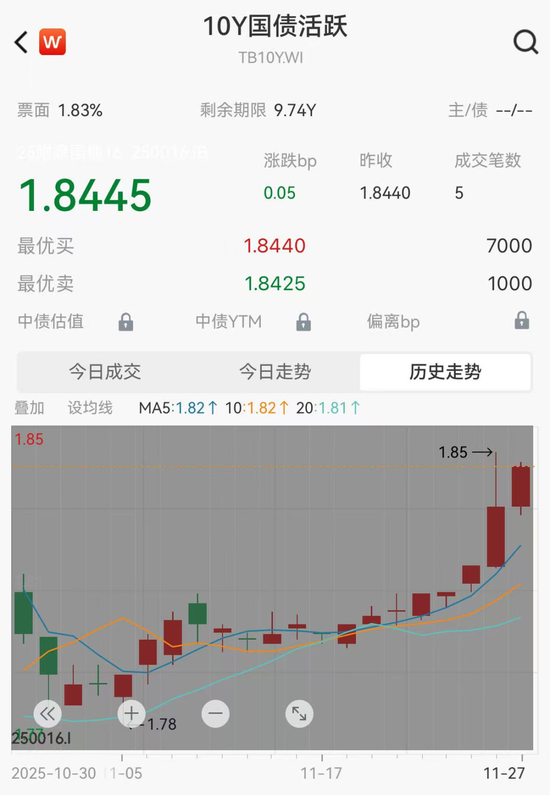
Core Viewpoint - The recent regulatory changes in the Chinese bond market, particularly regarding the "money market enhancement" strategy, are expected to significantly impact the efficiency of fund transactions and the profitability of certain financial institutions [1][9]. Regulatory Changes - The latest "Institutional Regulatory Situation Bulletin" has been released, detailing the timeline for fund subscription and settlement, aimed at improving transaction efficiency and reducing the time funds are in transit [1][5]. - The new regulations are seen as a measure to close loopholes in the "money market enhancement" strategy, which previously allowed some banks to enhance returns through interest rate subsidies [1][6]. Impact on Financial Institutions - Institutions that relied on the previous arbitrage model may face pressure to adjust product yields and reassess the sustainability of their strategies [1][9]. - The bulletin is expected to significantly hinder the business model of third-party fund distribution agencies, which have dominated the market [7][9]. Market Reactions - Following the announcement, bond yields have experienced an upward trend, with the yield on the 10-year government bond rising from a low of 1.81% to around 1.84% [1]. - Fund institutions have been identified as the main force behind the recent bearish sentiment in the bond market, although the overall impact is considered limited [9][10]. Historical Context of "Money Market Enhancement" - The "money market enhancement" strategy involved additional yield subsidies from third-party distributors, which allowed investors to benefit from a longer effective yield period than the actual time their funds were invested [3][4]. - This strategy has been criticized as unsustainable and akin to exploiting regulatory gaps [4][6]. Future Considerations - The overall stability of the yield and scale of wealth management products will be crucial in the coming year, particularly in light of potential further regulatory tightening [10].

X @外汇交易员
外汇交易员· 2025-08-13 02:30
Government Policy & Economic Impact - China's Ministry of Finance is implementing interest subsidies for personal consumption loans and loans to service sector businesses [2] - The goal is to lower borrowing costs for residents and businesses, stimulate consumption, and improve the economic cycle [2] - A 1% interest subsidy could potentially leverage 100 times the loan amount for resident consumption or service sector supply, implying a leverage ratio of 100:1 [1] Fiscal & Monetary Coordination - The interest subsidy program represents a coordinated effort between fiscal and monetary policy [2]
中国人民银行、证监会:有条件的地方可依托自身财力,设立风险补偿基金或者出台其他优惠政策措施,为科技创新债券提供贴息、政府性融资担保等支持措施。
news flash· 2025-05-07 04:36
Core Viewpoint - The People's Bank of China and the China Securities Regulatory Commission have announced that local governments may establish risk compensation funds or implement other preferential policies to support technology innovation bonds through interest subsidies and government financing guarantees [1] Group 1 - Local governments are encouraged to leverage their financial resources to support technology innovation bonds [1] - The measures include providing interest subsidies and government financing guarantees [1]