贸易法301条款

Search documents
超千亿美元已征收关税退不退,如何退?特朗普都没谱:这事或打5年官司
Sou Hu Cai Jing· 2026-02-21 10:39
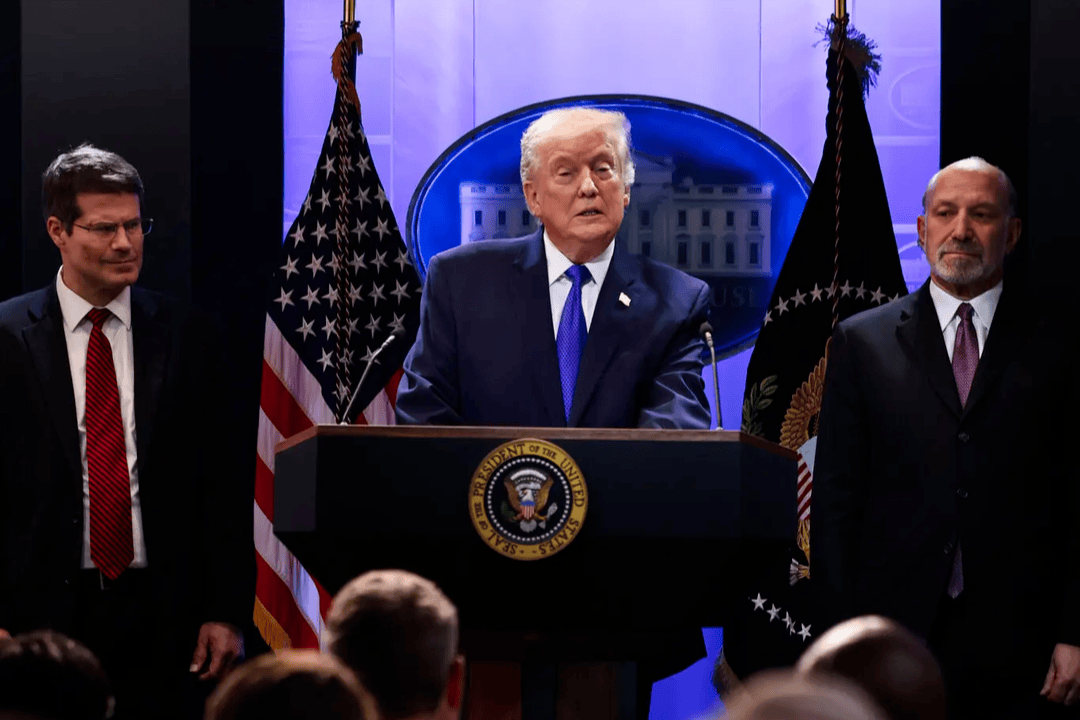
Core Viewpoint - The U.S. Supreme Court ruled that the Trump administration's large-scale tariff measures lacked clear legal authorization, potentially requiring the government to refund over $100 billion in tariffs to thousands of U.S. importers, leading to an unprecedented refund process [1][2]. Group 1: Legal and Financial Implications - The Supreme Court's decision is expected to trigger a complex and lengthy process, with thousands of companies seeking to reclaim the tariffs they paid, which could take months or even years [2]. - Trump expressed uncertainty about how the refund process would work, indicating that litigation might be necessary to resolve the issue, potentially extending over several years [3][5]. - The refund process will be managed by lower courts and the U.S. International Trade Court, with the Customs and Border Protection and the Treasury Department executing it [10]. Group 2: Financial Data and Company Involvement - The estimated range of tariffs collected by the U.S. government is between $1.15 trillion and $1.75 trillion, with over 1,000 companies already filing claims for refunds [8][10]. - Companies involved in the lawsuits include major brands such as Costco, Reebok, and Goodyear, as well as international firms like South Korea's Hankook Tire and Japan's Kawasaki Heavy Industries [8]. Group 3: Political and International Reactions - The ruling has elicited cautious responses from U.S. allies, with the EU and UK expressing a desire to understand the implications of the decision on global trade [11][14]. - Canadian officials welcomed the ruling, viewing it as a reinforcement of their position against the tariffs, although business leaders remain cautious about the long-term implications [14].