
贸易霸凌主义

Search documents
商务部指美方一边举着关税大棒一边标榜无辜 中国在世贸组织追加对美起诉是必要之举
Mei Ri Jing Ji Xin Wen· 2025-11-24 04:09
每经记者|张怀水 每经编辑|毕陆名 据报道,特朗普首席经济顾问库德洛近日却公开表示,美方就知识产权以及技术被中方抢夺窃取的现象 向中方提出过要求,但是中方没有采取过措施。"美方随时做好谈话的准备,但'球'在中国一方。"对 此,商务部新闻发言人高峰在7月19日举行的例行新闻发布会上指出,美方一边举着关税大棒,在全世 界实行贸易霸凌主义,一边又不断标榜自己的委屈和无辜,把所有的责任扣到对方头上。"我们看到最 近美方有不同的官员对外宣扬,中美谈判破裂的责任在中方,这不符合事实。" 高峰表示,针对美方拟对我2000亿美元产品加征关税,中方已在世贸组织对其提出追加起诉,这是捍卫 世贸组织基本原则的必要之举。 当日,中国外交部新闻发言人华春莹同样指出,中方一直在以最大诚意和耐心推动双方通过对话协商解 决分歧,为避免贸易摩擦升级尽了最大努力。"本来,美方出尔反尔、言而无信已是世界公认,但是当 着全世界人民的面,美方有关官员居然如此颠倒黑白、倒打一耙,还是超出了一般人的想象,令人感到 震惊。" 中方就缓解分歧多次努力 通过梳理可以发现,今年3月份以来,中方曾就妥善解决中美贸易分歧作过多次努力,中美双方曾就缓 解贸易摩擦进行过 ...

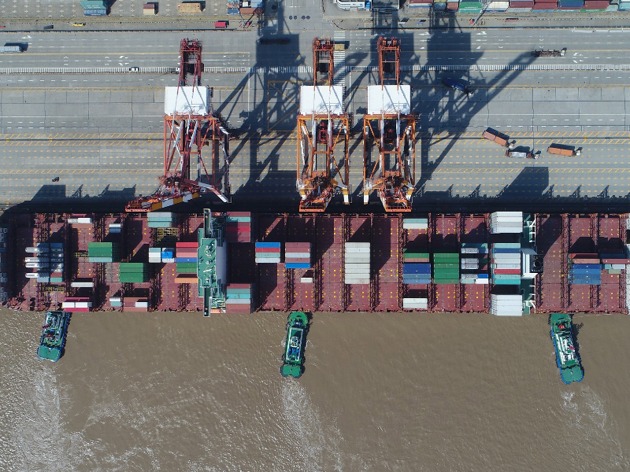
美关税霸凌遭全球反噬:对等关税或成“回旋镖”,美国农业陷“自伤”困局
2 1 Shi Ji Jing Ji Bao Dao· 2025-03-19 05:21
Core Viewpoint - The U.S. tariff policy, initiated by President Trump, is seen as a form of trade bullying that disrupts the global free trade system and may lead to increased prices for U.S. consumers and producers, ultimately harming the U.S. agricultural sector [1][4]. Tariff Implementation and Impact - The U.S. will begin imposing reciprocal tariffs on April 2, affecting agricultural products, as part of a broader strategy to reduce trade deficits and encourage domestic manufacturing [1][2]. - The tariffs include a 10% increase on specific products from certain countries and a 25% increase on steel and aluminum imports, with significant implications for U.S. competitiveness [3][4]. Agricultural Sector Effects - The U.S. is the largest exporter of agricultural products, with China, Canada, and Mexico being key markets, accounting for 48.9% of U.S. agricultural exports in 2024 [6][8]. - Tariffs on U.S. agricultural products are expected to increase food costs domestically and reduce export opportunities, particularly in meat and dairy sectors [5][6][9]. Global Trade Dynamics - Other countries, including China and Canada, have implemented retaliatory tariffs, which could create opportunities for other agricultural exporters like Brazil and Argentina [5][6]. - The impact of tariffs on U.S. agricultural exports is expected to be significant, with potential declines in market share for U.S. farmers [10][11]. Political and Economic Implications - The agricultural community, a crucial voter base for Trump, is expressing concerns over the long-term effects of tariffs on their livelihoods and market access [10][11]. - There is speculation about potential government subsidies to support affected farmers, similar to previous aid programs, but the feasibility of such measures is uncertain given the current fiscal deficit [11].