资产保全

Search documents
房子空置不出租并非浪费,房主的精明藏在理性选择里
Sou Hu Cai Jing· 2026-02-27 21:01
Group 1 - The core viewpoint of the article is that homeowners choosing to leave their properties vacant is a rational decision based on a careful assessment of risks and costs, rather than a sign of wealth or carelessness [1][3] - Recent data from the National Bureau of Statistics indicates that the average housing vacancy rate in 28 major cities is 12%, with first-tier cities at 7%, second-tier cities at 12%, and third-tier cities at 16.7%, highlighting the prevalence of vacant properties in the market [3] - The Ministry of Housing and Urban-Rural Development reported an 11.7% year-on-year increase in personal housing rental disputes, with over 60% of issues related to maintenance disputes, deposit disputes, and malicious damage, indicating rising risks for landlords [3][6] Group 2 - New policies in 2026 allow for reduced property management fees for vacant homes, enabling eligible homeowners to pay only 70% of the usual fees, which can save hundreds of yuan annually for a 100 square meter home [4] - The current secondary housing market is characterized by high listings, low transactions, and long cycles, leading homeowners to prioritize asset protection [5] - The rental yield in most cities is around 2%, significantly lower than stable investment returns, making renting less economically attractive [6] Group 3 - The hidden costs of renting include significant expenses for renovations and maintenance, with annual maintenance costs averaging 15%-25% of total rental income, particularly burdensome in lower-rent areas [7][8] - Renting also incurs time and energy costs, as landlords must manage tenant relationships, handle repairs, and deal with potential legal issues, which can lead to significant stress and financial loss [7][8] - Legal and credit risks associated with renting, such as liability for accidents or illegal activities, further complicate the decision to rent out properties [7][9] Group 4 - Keeping properties vacant helps maintain their quality and value, allowing for potential higher sale prices compared to rented properties, which can be 3%-8% higher in the secondary market [9] - Vacant properties offer greater liquidity, enabling quicker sales without waiting for lease expirations, which is crucial in a fluctuating market [9] - Homeowners may choose to keep properties vacant to avoid future policy risks and to align with personal plans, such as family use or redevelopment [9] Group 5 - The article emphasizes the importance of understanding homeowners' decisions to keep properties vacant as rational and responsible asset management, rather than a moral failing [9] - The government is promoting market-based solutions to address the mismatch between vacant properties and rental demand, including subsidies for homeowners who engage professional management services [9] - The article concludes that various housing usage options, including self-occupation, renting, and vacancy, are all legitimate choices that should be respected [9]

宗馥莉暂不得挪用18亿美元资产
21世纪经济报道· 2025-08-01 11:01
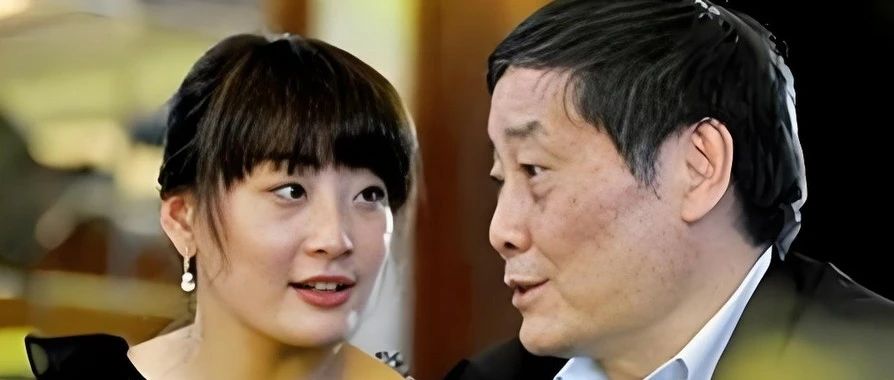
Core Viewpoint - The Hong Kong High Court has approved an asset preservation request in the inheritance case of Zong Qinghou, restricting access to approximately $1.8 billion in HSBC accounts until a final ruling is made by the Hangzhou Intermediate People's Court and the Zhejiang Higher People's Court [2][8]. Group 1 - The court's order prohibits the defendant, Zong Fuli, from using the assets in the HSBC accounts until the conclusion of the ongoing litigation [2]. - The plaintiffs, Zong Jichang, Zong Jieli, and Zong Jisheng, provided handwritten evidence indicating that Zong Qinghou had established trusts of $700 million each for them, allowing only the use of interest income [2][9]. - Zong Jichang's affidavit mentioned that Zong Fuli harbors "serious hostility" towards the plaintiffs and has been engaged in systematic control over family assets [2]. Group 2 - The court documents revealed that the defendant established three offshore trusts, contrary to previous reports of only one trust, and Zong Jichang and others were not named as beneficiaries [3]. - The court's decision included modifications to the draft order, ensuring it remains in effect until the final resolution of the plaintiffs' claims against the first defendant [5][6]. - The wills of Zong Qinghou, dated February 2, 2024, did not list Zong Jichang, Zong Jieli, Zong Jisheng, or Du Jianying as beneficiaries, but included Zong Fuli and other family members [9].
美国私人财富管理协会|浅析企业家常见家企风险以及风险隔离筹划
Sou Hu Cai Jing· 2025-06-23 03:21
Group 1 - The article discusses the importance of risk isolation and asset protection for entrepreneurs and their families, emphasizing that proper planning can enhance asset resilience and support business expansion [1] - Common risks affecting entrepreneurs include personal guarantees for corporate financing, unlimited liability due to improper corporate governance, and risks associated with sole proprietorships [3][4] - Criminal risks arising from non-compliance in business operations can lead to severe consequences for entrepreneurs, including potential criminal liability [4] Group 2 - Personal liabilities of entrepreneurs can impact their businesses and families, such as asset disposal due to personal debts or criminal involvement [5] - Changes in marital relationships can lead to disputes over shared assets and debts, complicating family and business stability [5] - Unexpected personal incidents can result in inheritance issues, potentially destabilizing family businesses if not properly planned [6] Group 3 - Entrepreneurs' irresponsible behaviors, such as excessive spending or gambling, can jeopardize their assets [6] - Legal asset protection strategies are necessary for entrepreneurs facing criminal risks, ensuring that legitimate assets are safeguarded [6] - Wealth transfer planning is crucial, particularly for family businesses, to ensure smooth transitions and maintain asset value [7] Group 4 - The risk of entrepreneurs becoming incapacitated due to unforeseen circumstances necessitates careful planning for guardianship and asset management [8] - Entrepreneurs must recognize the interconnected risks between personal and business domains and engage professional assistance for effective risk isolation and asset protection strategies [8]