资本霸权

Search documents
中国AI拒绝仰视
3 6 Ke· 2026-02-05 12:58
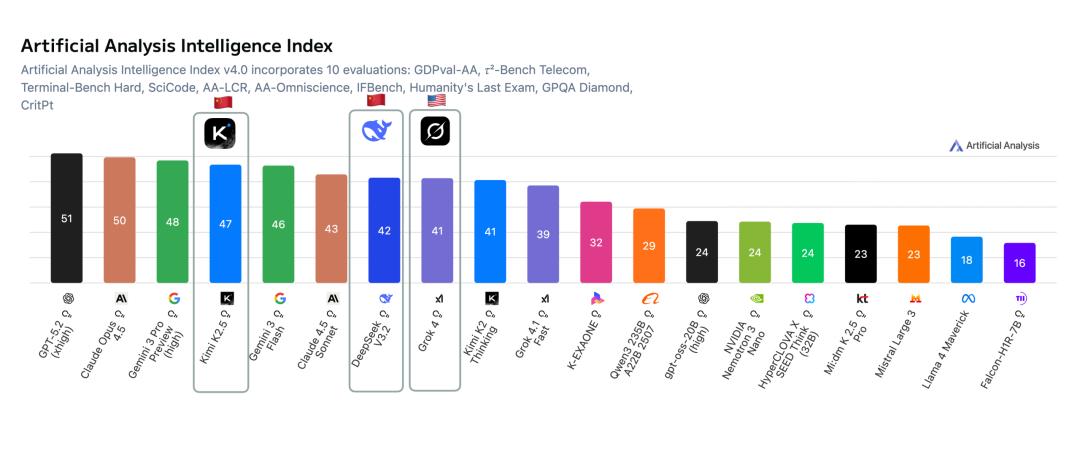
Group 1 - The core event involves the merger of xAI and SpaceX, resulting in a new entity valued at $1.25 trillion, with xAI's valuation prior to the merger reaching $200 billion to $230 billion [1] - The valuation disparity between Chinese and American AI companies is highlighted, with xAI's valuation significantly exceeding that of all Chinese AI startups combined [1] - The article discusses the systemic undervaluation of Chinese tech companies compared to their American counterparts, with Nasdaq's median valuation at 34 times earnings versus Hong Kong's at 18-19 times [7] Group 2 - The article argues that the valuation differences reflect a deeper "capital hegemony," where American investors are willing to pay a premium for potential market-defining technologies [9][10] - It contrasts the "ecosystem pricing" approach of the U.S. market with China's "efficiency pricing," which focuses on tangible results and financial visibility [12] - The historical context of American tech dominance is presented, suggesting that past successes have led to a biased perception of future potential [14] Group 3 - The financial performance of xAI is scrutinized, revealing a cash burn rate of approximately $1 billion per month, indicating challenges in achieving self-sustainability [15] - In contrast, Chinese AI companies are noted for their rapid technological advancements and practical applications, with significant growth in open-source model downloads [17][24] - The article emphasizes that Chinese AI firms are not merely low-cost alternatives but are becoming essential components of the global developer ecosystem [24] Group 4 - The narrative suggests a shift in capital market perceptions, with increasing recognition of the core competencies of Chinese tech firms, such as engineering talent and comprehensive industrial support [26] - It predicts a potential turning point in profitability for Chinese tech giants, with AI adoption expected to enhance their valuations by 15% to 20% [26] - The conclusion posits that the future of technology investment should focus on practical applications and real-world value creation rather than speculative narratives [27][28]