
资金端改革

Search documents
【金麒麟】吴晓求:中国资本市场未来成长可期
Zheng Quan Ri Bao Zhi Sheng· 2026-01-16 04:51
Group 1 - The core viewpoint is that the positive trend of China's capital market in 2026 is expected to continue, driven by both reform logic and industrial structure transformation logic [1][2] - The first dimension of development is systematic reforms in the asset, funding, and institutional aspects, with ongoing reforms in the asset side focusing on optimizing the structure of listed companies through the registration system and the Sci-Tech Innovation Board [2] - The second dimension emphasizes funding reforms, particularly the orderly entry of large funds into the market, including the gradual involvement of social security funds and commercial insurance funds, along with the innovation of product tools like broad-based ETFs [2] - The third dimension highlights institutional reforms aimed at enhancing market transparency and implementing severe legal penalties for serious violations, shifting from administrative penalties to criminal and civil liabilities [2] Group 2 - The significance of these reforms lies in their ability to restore market confidence and stabilize development expectations through coordinated reforms in the asset, funding, and institutional dimensions [3] - These reforms align with the major transformation of China's economic structure, as traditional economic theories struggle to explain new phenomena, such as the dominance of high-tech enterprises, which is altering the relationship between GDP growth and labor income [3] - The changing economic structure significantly impacts the market, as high-tech and innovative enterprises, traditionally viewed as "bubbles" under conventional valuation methods, are undergoing profound changes in valuation logic due to the transformation of development models [3]

吴晓求:资本市场应做好资产端、投资端、制度端三重改革
Xin Lang Cai Jing· 2026-01-10 07:06
Group 1 - The core viewpoint is that since September 24, 2024, China's capital market has undergone fundamental changes, with a gradual recovery of market confidence and stabilization of expectations. The next phase requires reforms in the asset side, funding side, and institutional side of the capital market [1] Group 2 - On the asset side, the goal of reform is to adjust the structure of listed companies in China, promoting high-tech and innovative enterprises as the main entities. The capital market is a risk market, and sustainable development relies on risk-return profiles that meet investor demands [3] - The core objective of funding side reform is to expand market liquidity, ensuring it remains relatively abundant. The focus is on encouraging large funds to enter the market, as historically, individual investors dominated, and long-term funds were constrained by rules and risk considerations [3] - Institutional reform is essential for the effectiveness of asset and funding side reforms. The primary goal is to ensure market confidence and expectations, with a focus on transparency and accurate disclosure of information by issuers [3] Group 3 - The three foundational pillars for developing the capital market are a sound legal system, a strong spirit of contract, and market transparency. The spirit of contract includes stability in the macro environment and predictability in policies, while the legal system is fundamental to financial sustainability [4] - Transparency is described as the lifeline of the capital market, necessitating legal and policy measures to ensure that market participants, especially listed companies and intermediaries, provide truthful information and maintain market order [4]

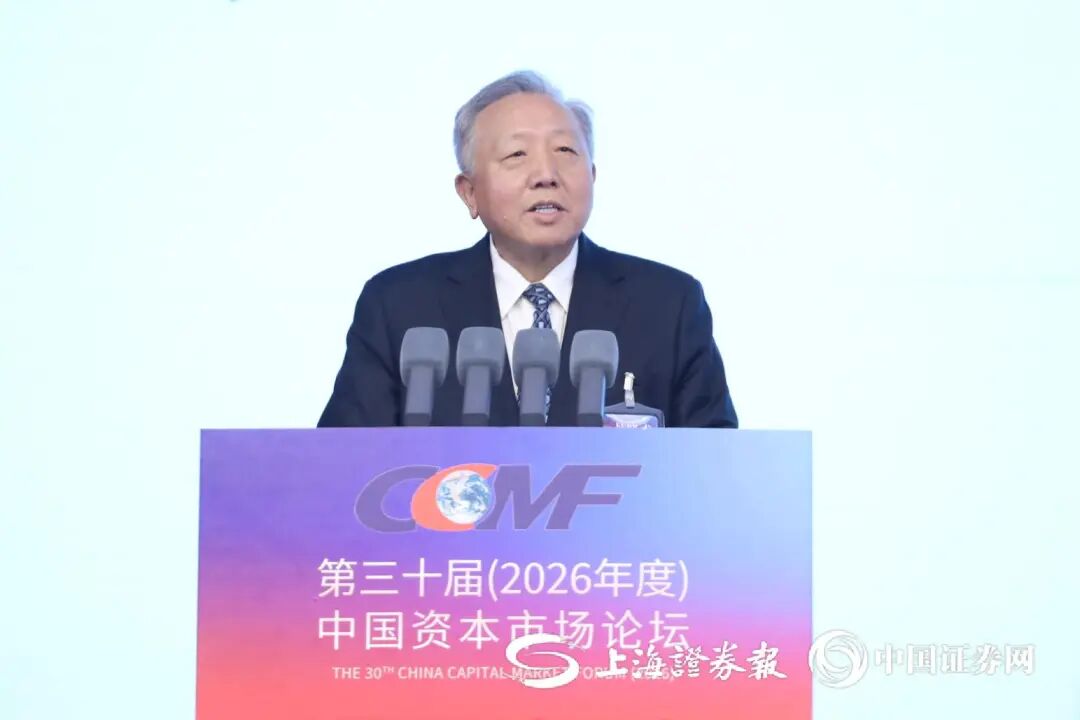
中国人民大学国家金融研究院院长吴晓求:中国资本市场改革和发展有三重目标
Shang Hai Zheng Quan Bao· 2025-12-17 19:19
Core Viewpoint - The future reform of China's capital market aims to achieve three main goals: to become a driver of economic growth and industrial upgrading, to serve as an important platform for social wealth management, and to progress towards becoming a new international financial center and a hub for RMB-denominated asset allocation [2][4][5]. Group 1: Three Goals of Capital Market Reform - The foundational goal is to eliminate "danger zones" in the capital market, ensuring a zero-tolerance policy towards fraud and misconduct, supported by strict criminal penalties [4]. - The core goal is to accelerate the capital market's role as a driver of economic growth and a key platform for social wealth management, focusing on adjusting the structure of residents' asset allocation [4][5]. - The vision goal is to establish the capital market as a new international financial center, aiming to become the third-largest global financial hub after New York and London, with a target of increasing the proportion of foreign investors in the market to 10% by 2030 and 15% by 2035 [5]. Group 2: Key Areas for Reform - In the asset dimension, the focus is on improving the quality of listed companies, particularly by promoting high-growth tech and specialized enterprises to become the main body of listed firms [6]. - In the funding dimension, the emphasis is on enhancing market liquidity and attracting more long-term capital, with recent policies aimed at reducing investment risks for insurance funds in equity assets [6][7]. - In the institutional dimension, the goal is to increase market transparency and strengthen legal constraints, shifting from administrative penalties to a balanced approach of criminal and civil penalties, while enhancing investor protection [7].
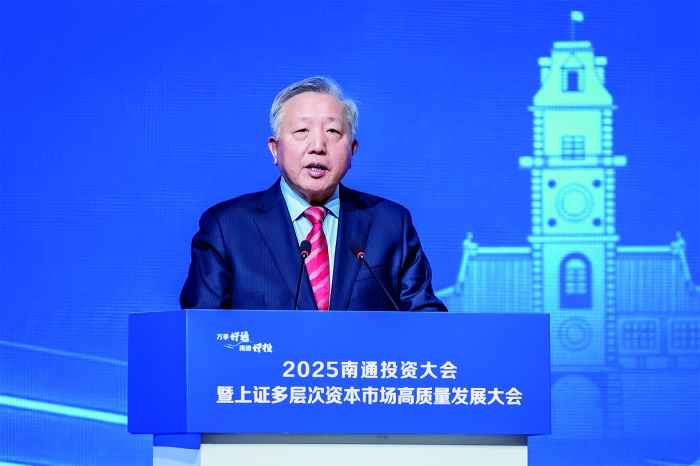
“两端”改革深化 资本市场向好态势得以巩固
Zheng Quan Ri Bao· 2025-07-27 15:50
Group 1 - The core focus of the recent China Securities Regulatory Commission (CSRC) meeting is to consolidate the market's recovery and positive trend, with an emphasis on reforming both the asset and funding sides of the capital market [1][2] - The asset-side reform aims to enhance the quality and investment value of listed companies, with a goal to cultivate high-quality, stable-return companies as a foundation for long-term market stability [1][2] - As of July 27, 57 companies have been listed on the A-share market this year, raising a total of 60.646 billion yuan, with 55 of these being strategic emerging industry enterprises [1] Group 2 - The funding-side reform focuses on nurturing long-term and patient capital, which is essential for the stable and healthy operation of the capital market [2][3] - Regulatory measures have been implemented to increase the inflow of long-term capital, including the expansion of investment by central financial institutions and the introduction of long-term assessment mechanisms for public funds and insurance companies [2][3] - The synergy between asset-side and funding-side reforms is crucial, as high-quality assets attract long-term capital, while stable and ample long-term funding supports the growth of quality enterprises [3]