超级独角兽

Search documents
纳指100规则大改:谁在为超级独角兽的泡沫买单?
美股研究社· 2026-03-31 13:15
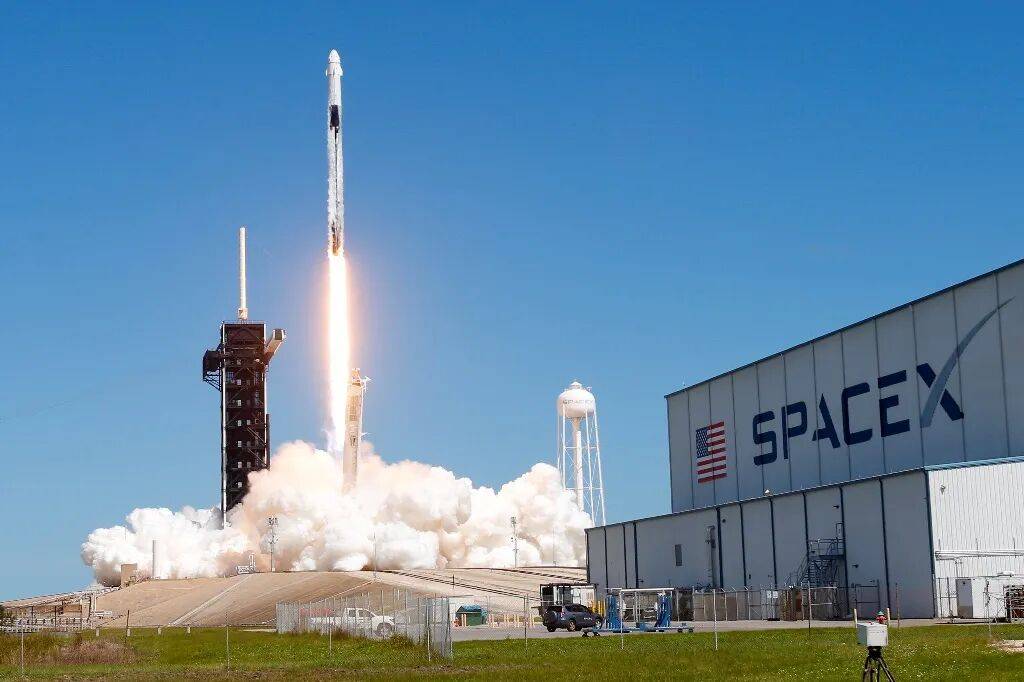
Core Viewpoint - The article discusses the significant changes in market dynamics due to Nasdaq's rule modifications, which facilitate the rapid entry of "super unicorns" into the market, altering liquidity distribution and risk allocation [1][2]. Group 1: Market Dynamics and Changes - Nasdaq's new index rules are designed to create a fast track for companies like Anthropic, OpenAI, and SpaceX, which are entering the market with valuations in the trillions, fundamentally changing the liquidity distribution logic [1][6]. - The adjustment is not merely an expansion but a systematic arrangement that shifts high-risk assets from the primary market to passive investors in the secondary market, signaling a change in how risks are absorbed [2][6]. - The traditional process of price discovery in the secondary market is being disrupted, as companies can now enter the market as giants without undergoing the typical growth verification process [4][6]. Group 2: Implications for Investors - The new structure means that traditional IPO underpricing benefits are diminishing, replaced by risks for ordinary investors who are effectively providing liquidity for primary market investors' excess returns [7]. - The rapid inclusion of new stocks into indices creates mechanical demand, leading to liquidity being drained from existing stocks and distorting the price discovery mechanism [9][10]. - The shift in index dynamics indicates that the market is becoming a tool for liquidity redistribution rather than a venue for pricing growth, which could lead to a false sense of demand and valuation [10][11]. Group 3: Systemic Risks and Future Outlook - The combination of high valuations for super unicorns and rapid index inclusion suggests a deeper risk structure, where passive funds are absorbing risks without assessing the validity of optimistic cash flow assumptions [11][12]. - Historical patterns indicate that when such structural changes occur, it often signals a phase of institutionalized bubbles, where inflated valuations persist until liquidity can no longer support them [12][14]. - The article warns that as risks become institutionally hidden, their eventual manifestation could be more severe, challenging the integrity of market mechanisms and investor confidence [14].

SpaceX要上市了?1.5万亿美元估值
Sou Hu Cai Jing· 2025-12-17 04:23
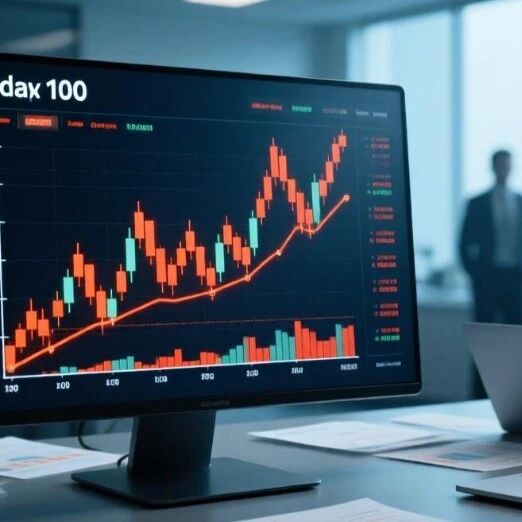
Group 1 - SpaceX plans to go public in the second half of 2026, with an estimated valuation of approximately $1.5 trillion, potentially raising about $40 billion by selling 5% of its shares, which would break the record for the largest IPO set by Saudi Aramco in 2019 at $29 billion [2] - The IPO of SpaceX could trigger a wave of other "unicorn" companies, valued over $100 billion, to enter the public market, as they have previously preferred private financing due to higher valuations and less pressure from public scrutiny [2] - The success of SpaceX's IPO will serve as a signal to other private companies that it may be time to transition to the public market, especially after a decline in IPO activity since 2021 [2] Group 2 - If SpaceX goes public at a $1.5 trillion valuation and sells 5% of its shares, it could raise approximately $750 billion, surpassing the total IPO financing of the past 13 years in the U.S. [3] - The market's ability to absorb such a large IPO will be tested, with significant interest expected from both institutional and retail investors, although there are concerns about the justification of SpaceX's high valuation based on its current revenue and business scale [4] - The transition from private to public will require SpaceX to face rigorous scrutiny from the market, moving away from being a private venture of Elon Musk [4] Group 3 - The private market, while currently robust, may not provide long-term liquidity, and companies like SpaceX may find it increasingly difficult to maintain liquidity as they grow larger [5] - Listing on the public market may be the only viable option for super unicorns, as the potential for mergers and acquisitions diminishes with their increasing size [6] - Investors are advised to be cautious of emotional trading during the initial public offering and to consider the supply chain and partners of SpaceX, such as aerospace materials and satellite technology [6]