超长续航

Search documents
新能源汽车售后,谁是一条龙,谁是一条虫
3 6 Ke· 2025-12-31 12:09
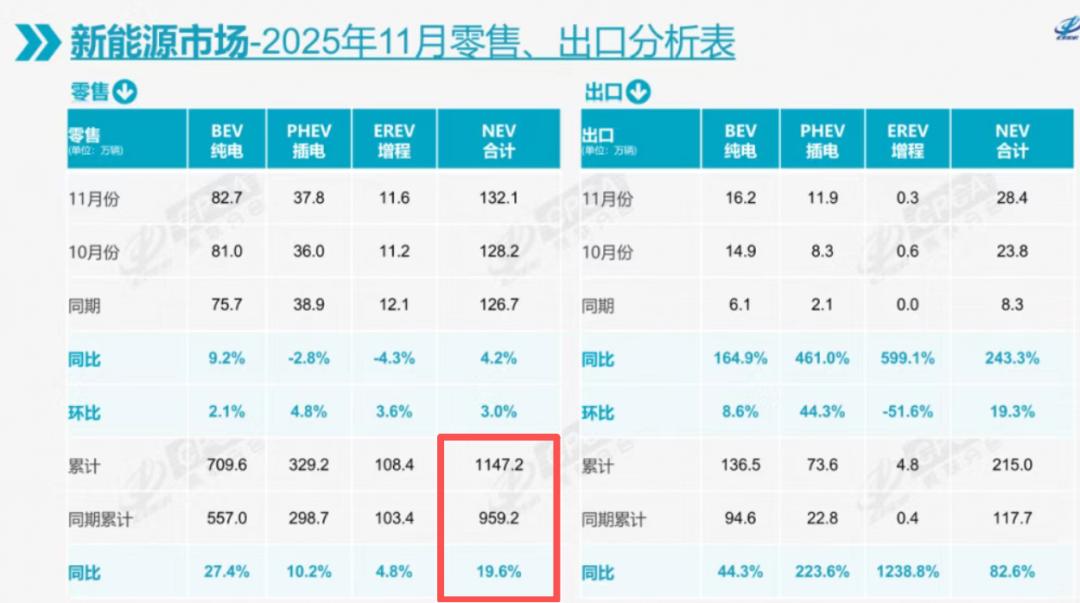
Core Insights - The retail sales of new energy passenger vehicles reached 11.472 million units in the first 11 months, a year-on-year increase of 19.6%, surpassing traditional fuel vehicles by 1.462 million units [1] - In November, the domestic retail penetration rate of new energy vehicles surged to 59.3%, an increase of seven percentage points year-on-year [1] Sales Data Summary - In November, the retail sales of new energy vehicles included 827,000 BEVs, 378,000 PHEVs, and 116,000 EREVs, totaling 1.321 million units [2] - Compared to October, November saw a 2.1% increase in BEV sales, a 4.8% increase in PHEV sales, and a 3.6% increase in EREV sales [2] - Cumulatively, from January to November, BEV sales reached 7.096 million units, PHEV sales reached 3.292 million units, and EREV sales reached 1.084 million units, totaling 11.472 million units [2] Customer Experience Challenges - Many new energy vehicle owners report dissatisfaction with post-purchase experiences, particularly regarding after-sales service [3] - Common complaints include delays in service response, issues with vehicle systems, and inadequate support for charging infrastructure [4][6] - The gap between sales promises and actual service delivery is becoming a significant concern for consumers [3][7] After-Sales Service Issues - Customers have expressed frustration over the reliability of charging stations and the responsiveness of customer service when issues arise [4][6] - Repair experiences can be lengthy and complicated, especially in areas lacking official service centers [8][19] - The high technical complexity of electric vehicles creates challenges for maintenance and repair, leading to longer wait times for parts and service [16][19] Industry Response and Strategies - Different companies are adopting varied strategies to address after-sales service challenges [21] - NIO has focused on building a high-quality service ecosystem, including extensive battery swap networks and dedicated service centers [25] - Tesla integrates sales and service through a direct sales model, ensuring transparency and efficiency in service delivery [27] - Other companies, like Hongmeng Zhixing, leverage existing networks to enhance service offerings, creating a more customer-centric experience [30] Conclusion - The new energy vehicle market is experiencing rapid growth, but the disparity between sales and service quality poses risks to customer satisfaction and brand loyalty [31] - Companies must prioritize after-sales service as part of their long-term strategy to remain competitive in the evolving market landscape [31]


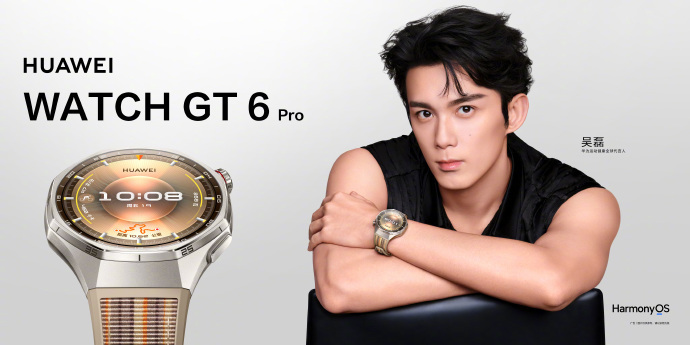
智能手表电池容量天花板!华为WATCH GT 6系列携21天超长续航面世
Huan Qiu Wang· 2025-09-22 05:34
Core Insights - The Huawei WATCH GT 6 series is set to launch on September 24, 2025, marking a significant advancement in the smart wearable sector with a focus on extended battery life and comprehensive health management [1][15] Design and Aesthetics - The new series features a major upgrade in design, incorporating innovative "boundaryless geometric aesthetics" with two size options and ten color schemes, enhancing its appeal to diverse consumer preferences [2][4] - The design strategy combines geometric aesthetics with personalized color choices, reflecting Huawei's understanding of consumer demands and potentially inspiring further innovation in wearable device aesthetics [2] Battery Life and Performance - The WATCH GT 6 series introduces a groundbreaking high-silicon stacked battery technology, achieving a 37% increase in energy density and a 65% increase in battery capacity compared to the previous generation, resulting in a maximum battery life of 21 days [3][5] - This significant improvement addresses the common issue of battery anxiety among users, allowing them to focus more on the device's core functionalities [3][7] Health Monitoring Features - The health management capabilities of the WATCH GT 6 series have been significantly upgraded, utilizing the "Xuanji perception system" for enhanced emotional monitoring and heart health management [11] - The product is expected to offer advanced data monitoring and analysis features, particularly for cycling enthusiasts, catering to the needs of professional athletes [11] Market Position and Performance - Huawei maintains a strong leadership position in the smart wearable market, holding a 20.2% global market share in Q2 2025, with a year-on-year shipment increase of 11.7% [13][14] - The cumulative global shipment of Huawei wearable devices has surpassed 200 million units, indicating widespread market acceptance and recognition [13] Industry Implications - The advancements in battery life and health monitoring are becoming focal points in the competitive landscape of smart wearables, with consumer preferences increasingly leaning towards devices that offer longer battery life [7] - The launch of the WATCH GT 6 series is anticipated to drive the industry towards longer-lasting and more capable devices, ultimately benefiting consumers [7][15]