跨境电商扩张

Search documents
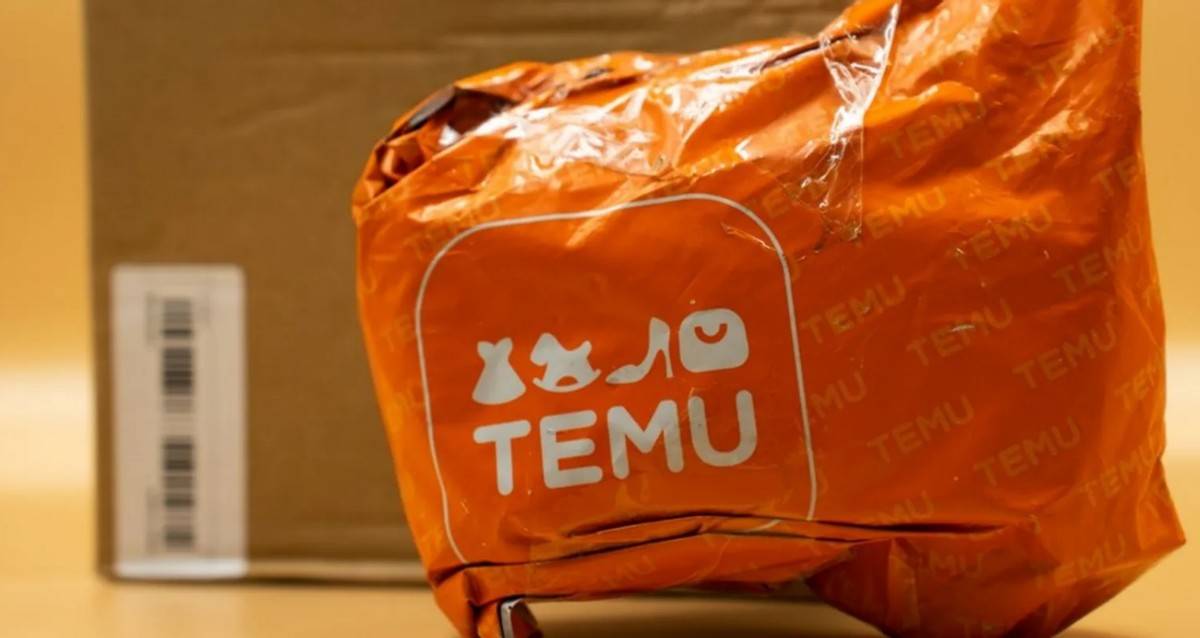
从烧钱到赚钱,Temu只用了一年!
Sou Hu Cai Jing· 2025-10-08 03:00
Core Insights - Temu has rapidly expanded its presence in international markets, particularly in the UK, Europe, and the US, leveraging low prices and a fully managed model to disrupt the e-commerce landscape [2][9] - The company's financial performance shows significant growth in revenue and improvements in profitability metrics, indicating a potential for sustainable operations despite ongoing losses [4][6] UK Market Performance - Temu's UK subsidiary, Whaleco UK, reported a revenue of $63.27 million for 2024, a 97% increase year-over-year [4][5] - The gross loss narrowed to $4.03 million from $6.33 million the previous year, and operating loss improved to $8.7 million from $7.92 million [5][6] - Investment income contributed significantly to pre-tax profit, highlighting the importance of capital management in offsetting operational losses [4][6] European Market Insights - In Europe, Temu achieved $1.7 billion in revenue for 2024, a 124% increase from the previous year, with a gross profit of $626.6 million and a gross margin improvement from 22.4% to 37% [6][8] - The company managed to generate a net profit of $110 million after accounting for administrative expenses and investment income, showcasing its ability to balance growth and profitability [6][8] US Market Challenges and Strategies - Temu faced a significant sales decline in the US market during mid-2024, with some weeks seeing drops of over 30% [11] - In response, the company implemented aggressive price cuts averaging 18% on popular items and eliminated import fees, successfully reigniting consumer interest [11][12] - The US market remains crucial for Temu, accounting for over 60% of its global GMV, making its performance there pivotal for the company's valuation [13][19] Market Expansion and Seller Implications - Temu is also expanding into Latin America, the Middle East, and Southeast Asia, where it aims to capture market share despite lower immediate profitability [17][20] - Sellers are encouraged to adapt to Temu's pricing strategies to benefit from increased exposure and sales volume, even if it means sacrificing short-term profit margins [15][20] - The platform's ongoing expansion and strategic use of capital to manage losses suggest a long-term growth trajectory, providing opportunities for sellers willing to engage with the platform [17][20] Conclusion - Temu's rapid growth and strategic pricing adjustments highlight its potential as a significant player in the global e-commerce market, presenting both opportunities and challenges for sellers [19][20]

存量调改成风 | 2025年6月商业地产零售业态发展报告
Sou Hu Cai Jing· 2025-06-25 09:54
Core Viewpoint - The retail sector in commercial real estate is experiencing a transformation driven by consumer promotion policies and the expansion of the duty-free economy across major cities in China, leading to increased consumer spending and inbound tourism [3][5][6]. Group 1: Retail Sector Performance - Major retail operators such as CR Land, Longfor Group, and Link REIT are showing varied performance, with some projects achieving significant growth while others struggle with older assets requiring continuous investment [3][9]. - The retail property portfolio of Link REIT in mainland China reported a total revenue and net property income growth of 29.7% and 28.9% respectively, driven by strong performance from specific projects in Shanghai and Shenzhen [9][12]. Group 2: Consumer Promotion Policies - Cities like Shenzhen, Chongqing, and Chengdu have introduced consumer promotion policies aimed at boosting local economies, with initiatives such as the establishment of new retail stores and events to attract consumers [5][6]. - The focus on green consumption and the establishment of new retail formats, such as duty-free shops in urban areas, are part of a broader strategy to enhance consumer engagement and stimulate economic activity [5][8]. Group 3: Experience and Content Enhancement - Existing retail spaces are undergoing significant upgrades to enhance consumer experience, with a shift towards immersive and engaging environments to attract foot traffic [14][17]. - New entrants in the outlet market are leveraging unique themes and experiences to differentiate themselves, such as health and wellness concepts in shopping centers [13][19]. Group 4: Cross-Border E-commerce Expansion - Cross-border e-commerce platforms like TikTok Shop are expanding into new European markets, indicating a strategic move to capture a broader customer base [30][31]. - Domestic platforms are also enhancing their international competitiveness, with initiatives like JD's collaboration with Xiaohongshu to improve conversion rates and customer engagement [34]. Group 5: REITs and Investment Trends - The approval of new consumption infrastructure REITs, such as the China Green Development REIT, reflects a growing trend towards light-asset operations and the optimization of commercial assets [35][36]. - Existing REITs are showing stable operations, with a reported cash distribution rate of 4.19% for the recently restructured Huaxia First Creation Outlet REIT [36][37].