跨境电商洗牌

Search documents
跨境赛道加速洗牌,中小卖家如何破局求生?
Shen Zhen Shang Bao· 2026-01-29 17:34
全球跨境电商圈,正加速洗牌。 "跨境一哥"亚马逊2025年新卖家注册量锐减。知名跨境电商研究机构Marketplace Pulse近日发布的报告 显示:2025年全年亚马逊新增卖家数量跌至16.5万,同比暴跌44%。这也是该机构自2015年开始统计以 来的最低纪录。 全球卖家阵营迎来"洗牌" 值得关注的是,亚马逊卖家结构也正在发生变化。中国卖家仍是新注册群体的"主力",但有所下滑。据 Marketplace Pulse数据,中国卖家新注册数占比仍达59.9%,但出现四年来首次下滑,较2024年的62.3% 下降2.4个百分点。美国卖家在新注册卖家中的占比仅为16.3%,低于2024年的26.8%,呈持续下滑态 势。 与此同时,Temu等新兴电商平台"强势崛起"。国际邮政公司(IPC)最新发布的《2025年跨境电商消费 者调查》报告显示,2025年Temu在全球跨境电商销售中的市场份额达24%,与亚马逊持平,两家平台 合计占据了近一半的跨境销售额。除了Temu外,排名第三的SHEIN市场份额维持在9%,速卖通则为 8%。 跨境电商赛道是否已进入新旧势力博弈、存量厮杀的新阶段?此外,运营成本居高不下、头部卖家与中 ...

倒闭、亏损与收缩,跨境电商迎来大洗牌
Tai Mei Ti A P P· 2025-09-18 08:10
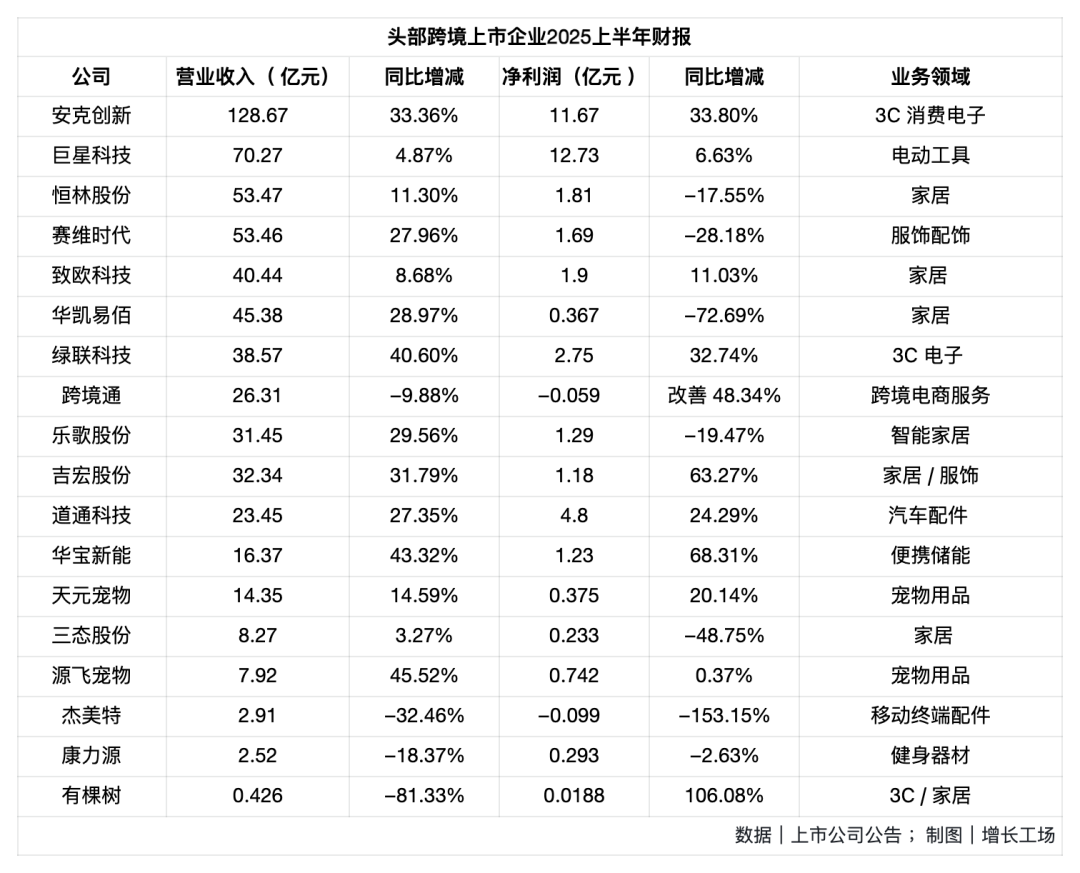
Core Insights - The cross-border e-commerce industry is undergoing significant restructuring, with many established companies facing bankruptcy and operational challenges due to rising costs and changing policies [2][10][24]. Group 1: Company Closures and Financial Struggles - Several long-standing cross-border companies, such as Yongsheng Electric and Xunda Electric, have recently announced their dissolution, highlighting a trend of closures in the industry [2][4]. - Yongsheng Electric, a Hong Kong-funded enterprise with over 55 years of history, abruptly declared its dissolution, with employees still working just days before the announcement [3]. - Xunda Electric, another veteran company, also announced its closure in August, marking the end of a significant player in Shenzhen's manufacturing landscape [4]. - Among publicly listed cross-border companies, 38% reported a decline in net profits, with 5 companies experiencing revenue drops and 3 companies reporting losses [7]. Group 2: Financial Performance of Listed Companies - A report on 18 leading cross-border listed companies revealed that 7 companies saw a decline in net profits, while 5 experienced revenue decreases [7]. - Notable financial data includes: - Anker Innovation: Revenue of 12.867 billion, up 33.36%, net profit of 1.167 billion, up 33.80% [8]. - Giant Star Technology: Revenue of 7.027 billion, up 4.87%, net profit of 1.273 billion, up 6.63% [8]. - Huakai Yibai: Revenue of 4.538 billion, up 28.97%, net profit of 36.7 million, down 72.69% [8]. - The company with the largest decline in net profit was Jiemite, which reported a revenue of 291 million, down 32.46%, and a net loss of 9.9038 million, down 153.15% [8]. Group 3: Rising Costs and Market Challenges - The cross-border e-commerce sector is facing increased customer acquisition costs and heightened competition, leading to further profit margin compression for sellers [13][15]. - Advertising costs on platforms like Amazon have risen significantly, with the cost-per-click (CPC) expected to increase from $0.73 in 2023 to $0.84 in 2024, representing a 15.1% rise [14]. - TikTok's advertising costs have also surged, with a current cost of $6.21 per thousand impressions, reflecting a year-on-year increase of 12.28% [16]. - The cancellation of the $800 tariff exemption has led to a 25% increase in customs costs for sellers, further straining their financial viability [17]. Group 4: Market Dynamics and Future Outlook - Despite the challenges, the number of new entrants in the cross-border e-commerce sector remains high, with 13,400 new companies registered this year, a 140.81% increase compared to the previous year [22]. - The market is increasingly favoring larger sellers who can leverage their resources to withstand rising costs, while smaller and mid-tier sellers are being forced out or pushed into niche markets [24][25]. - The industry is entering a phase of "survival of the fittest," where market share is consolidating among a few dominant players, further squeezing the space for smaller sellers [25].