直发器

Search documents
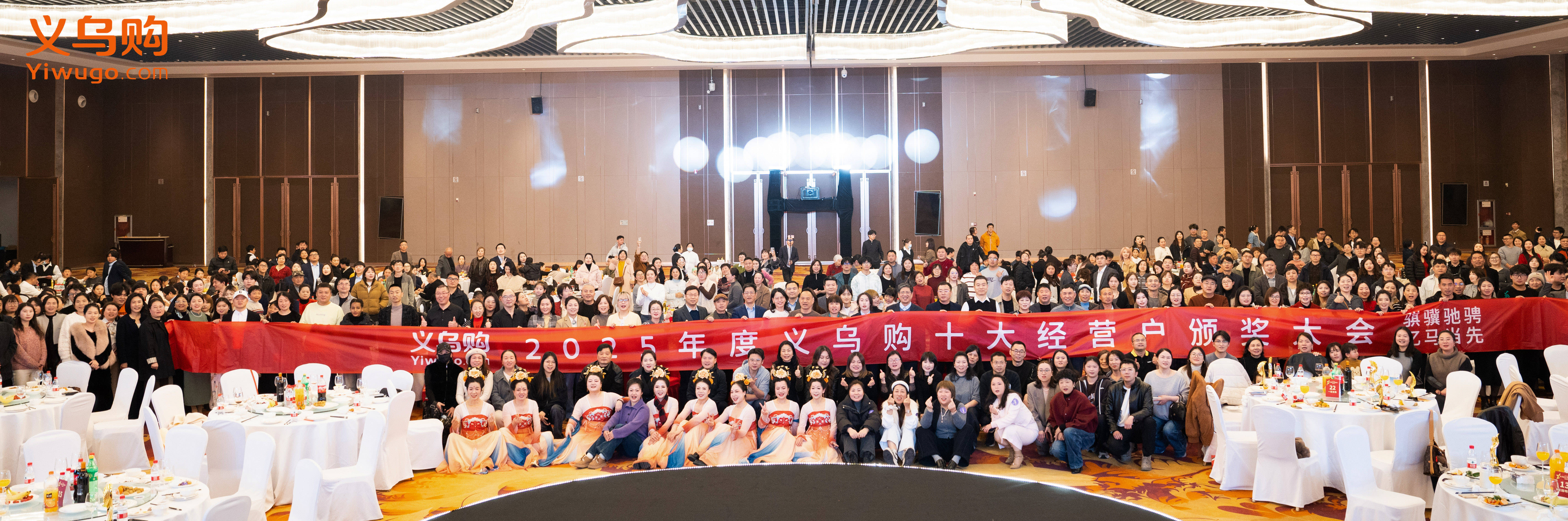
2025年度义乌购十大经营户颁奖大会圆满举行
Sou Hu Cai Jing· 2026-01-16 20:54
Core Insights - The 2025 Yiwu Purchase Top Ten Merchants Award Ceremony was held on January 16, recognizing outstanding businesses in the Yiwu market [1] - The event has been a significant annual tradition for 13 years, aimed at identifying and honoring benchmark enterprises that lead industry transformation [4] - Yiwu Purchase has evolved into a crucial digital platform connecting online and offline markets, with 18 million registered buyers and an average of 500,000 daily visitors [4] Group 1 - The award winners include established companies like Germy Electric, XUPING Jewelry, and newcomers like UFREE and Wuxin Guanghua Wire Mesh, showcasing a mix of industry veterans and rising stars [8][12] - UFREE, which specializes in hair appliances, has seen significant success in international markets, particularly through platforms like Amazon [12][17] - Wuxin Guanghua Wire Mesh, a newcomer, aims to leverage the platform's influence to expand its brand presence in overseas markets, particularly in regions with high infrastructure demand [17][18] Group 2 - The awarded merchants exemplify strong sales performance, brand development, digitalization, and sustainability, reflecting the resilience and vitality of the Yiwu market [18] - Yiwu Purchase is committed to continuous innovation, having launched a live-streaming project to enhance merchant engagement and connect them with global trade opportunities [18] - The platform aims to further integrate digital and physical trade, enhancing service offerings and fostering deeper connections between buyers and merchants [18]

又一百年品牌塌了,除了Logo啥都没了
Xin Lang Cai Jing· 2025-11-21 10:27
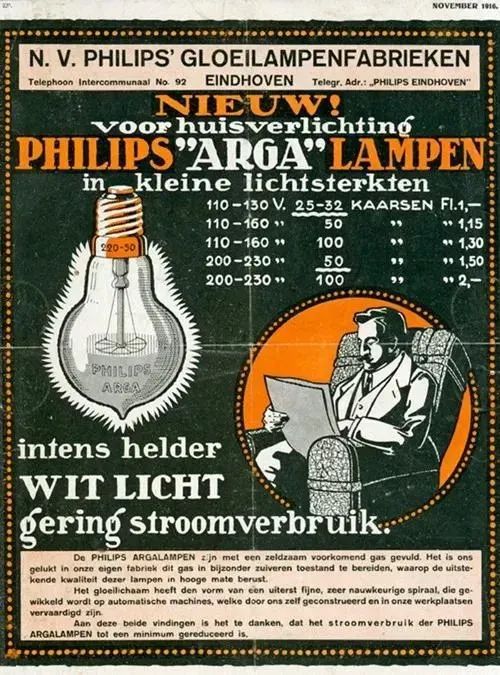
Core Viewpoint - Philips has transitioned from a manufacturing powerhouse to a brand that primarily licenses its name, leading to a decline in its reputation and product quality [1][3][5]. Group 1: Historical Context - Founded in 1891, Philips was once a leader in innovation, producing Europe's first commercial light bulb and defining standards in audio technology [3]. - The company has a rich history of manufacturing and engineering excellence, symbolizing reliability and craftsmanship [5]. Group 2: Business Strategy Shift - Philips has shifted its focus from manufacturing to branding, selling off various product lines and relying on licensing fees for revenue [5][7]. - The company has divested from key sectors, including televisions, mobile phones, and lighting, and now primarily earns from trademark licensing [5][7]. Group 3: Financial Performance - In 2024, Philips expects trademark licensing revenue to reach €419 million, accounting for 3.4% of total revenue, indicating a reliance on brand recognition rather than innovation [7]. - The brand's trust is diminishing due to quality issues with licensed products, leading to potential long-term financial risks [7]. Group 4: Product Quality and Consumer Perception - Quality control has become a significant issue, with reports of licensed products failing, which tarnishes the Philips brand reputation [7][9]. - Consumers are increasingly recognizing that Philips-branded products may not differ significantly from cheaper alternatives, threatening the brand's market position [11][13]. Group 5: Future Outlook - Philips is now betting heavily on its healthcare segment, which has higher profit margins and barriers to entry, but past issues, such as a major recall, have raised concerns about its stability [9]. - The company's current strategy of focusing on licensing rather than manufacturing is seen as a sign of laziness rather than smart business [11][13].


2025年皮肤及毛发护理器具产品质量监督抽查结果公布
Zhong Guo Zhi Liang Xin Wen Wang· 2025-10-13 09:16
Core Insights - The Shanghai Municipal Market Supervision Administration conducted a quality inspection of skin and hair care tools, revealing that out of 35 batches tested, 3 were found to be non-compliant [1] Group 1: Inspection Results - 35 batches of products were sampled, with 3 batches failing the quality test [1] - In the production sector, 7 batches were tested with no non-compliance found [1] - Among 17 batches sold in physical stores, 1 batch was non-compliant, while 2 out of 11 batches sold online were found to be non-compliant [1] Group 2: Product Origin and Compliance - The sampled products originated from Shanghai, Zhejiang, and Guangdong provinces, with 14 batches from Shanghai and 21 from other provinces [1] - Of the 14 batches from Shanghai, 1 was non-compliant, while 2 out of 21 batches from other provinces failed the quality test [1] Group 3: Regulatory Framework - The inspection was conducted based on the SHSSXZ0043-2025 guidelines for product quality supervision of skin and hair care tools in Shanghai [1] - Non-compliant products have been handed over to the respective market supervision departments for further action [1]
倒闭、亏损与收缩,跨境电商迎来大洗牌
Tai Mei Ti A P P· 2025-09-18 08:10
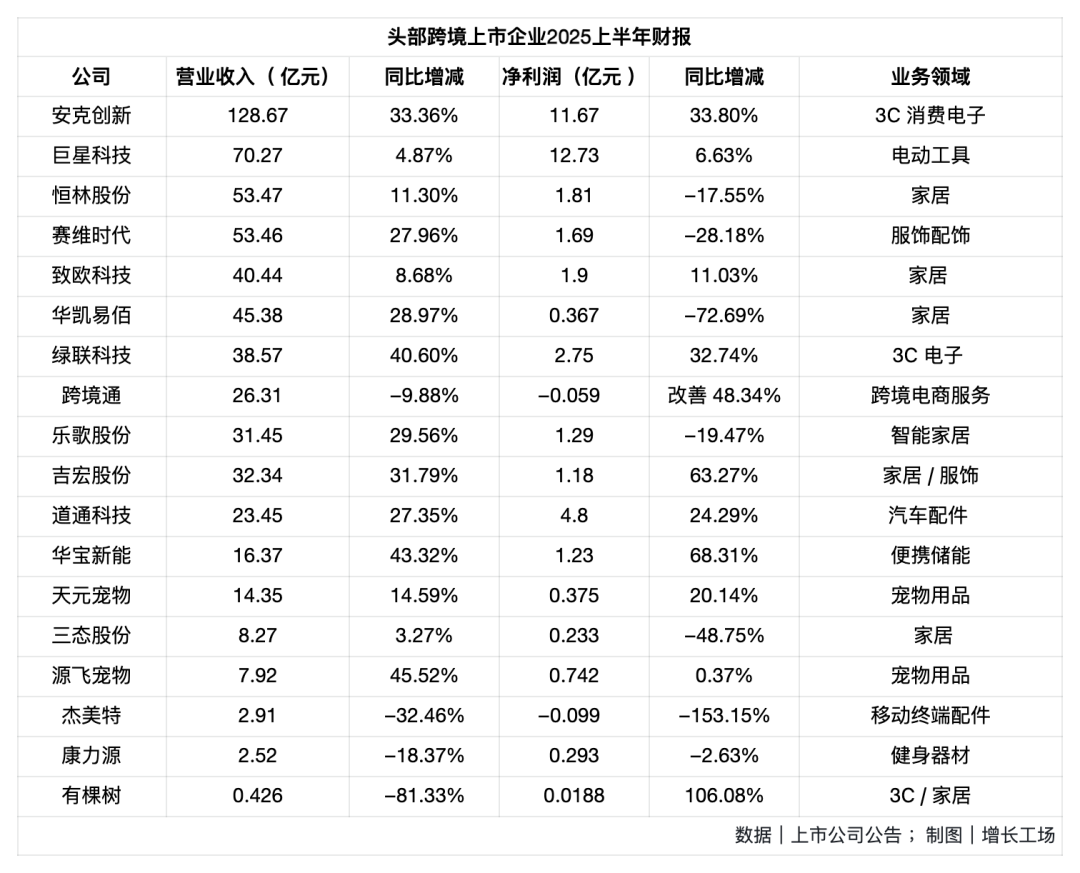
Core Insights - The cross-border e-commerce industry is undergoing significant restructuring, with many established companies facing bankruptcy and operational challenges due to rising costs and changing policies [2][10][24]. Group 1: Company Closures and Financial Struggles - Several long-standing cross-border companies, such as Yongsheng Electric and Xunda Electric, have recently announced their dissolution, highlighting a trend of closures in the industry [2][4]. - Yongsheng Electric, a Hong Kong-funded enterprise with over 55 years of history, abruptly declared its dissolution, with employees still working just days before the announcement [3]. - Xunda Electric, another veteran company, also announced its closure in August, marking the end of a significant player in Shenzhen's manufacturing landscape [4]. - Among publicly listed cross-border companies, 38% reported a decline in net profits, with 5 companies experiencing revenue drops and 3 companies reporting losses [7]. Group 2: Financial Performance of Listed Companies - A report on 18 leading cross-border listed companies revealed that 7 companies saw a decline in net profits, while 5 experienced revenue decreases [7]. - Notable financial data includes: - Anker Innovation: Revenue of 12.867 billion, up 33.36%, net profit of 1.167 billion, up 33.80% [8]. - Giant Star Technology: Revenue of 7.027 billion, up 4.87%, net profit of 1.273 billion, up 6.63% [8]. - Huakai Yibai: Revenue of 4.538 billion, up 28.97%, net profit of 36.7 million, down 72.69% [8]. - The company with the largest decline in net profit was Jiemite, which reported a revenue of 291 million, down 32.46%, and a net loss of 9.9038 million, down 153.15% [8]. Group 3: Rising Costs and Market Challenges - The cross-border e-commerce sector is facing increased customer acquisition costs and heightened competition, leading to further profit margin compression for sellers [13][15]. - Advertising costs on platforms like Amazon have risen significantly, with the cost-per-click (CPC) expected to increase from $0.73 in 2023 to $0.84 in 2024, representing a 15.1% rise [14]. - TikTok's advertising costs have also surged, with a current cost of $6.21 per thousand impressions, reflecting a year-on-year increase of 12.28% [16]. - The cancellation of the $800 tariff exemption has led to a 25% increase in customs costs for sellers, further straining their financial viability [17]. Group 4: Market Dynamics and Future Outlook - Despite the challenges, the number of new entrants in the cross-border e-commerce sector remains high, with 13,400 new companies registered this year, a 140.81% increase compared to the previous year [22]. - The market is increasingly favoring larger sellers who can leverage their resources to withstand rising costs, while smaller and mid-tier sellers are being forced out or pushed into niche markets [24][25]. - The industry is entering a phase of "survival of the fittest," where market share is consolidating among a few dominant players, further squeezing the space for smaller sellers [25].
跨国巨头飞利浦,为何沦为了“贴牌大王”?
3 6 Ke· 2025-05-19 11:18
Core Viewpoint - Philips has transitioned from a leading global brand known for innovation to a company primarily engaged in brand licensing and outsourcing production, leading to a significant decline in revenue and market presence [1][5][27]. Business Model and Revenue Decline - Philips has increasingly relied on a business model that involves licensing its brand to other manufacturers, resulting in a loss of direct control over product quality and innovation [19][21][47]. - The company's revenue has decreased from $40.14 billion in 1996 to approximately $19.49 billion in 2024, which is less than half of its peak revenue [5][6][27]. - Philips' ranking in the Fortune 500 has dropped from 53rd in 1996 to 423rd in 2018, and it completely fell off the list by 2019 [6][27]. Historical Context and Business Strategy - Founded in 1891, Philips initially thrived by producing carbon filament light bulbs and expanded into various consumer electronics over the decades, earning the title "King of Small Appliances" [3][5]. - The company has undergone significant restructuring, including the divestiture of its semiconductor business, which was once a key area of growth, to focus on healthcare and consumer products [27][30]. - Philips has sold off several business units, including its lighting division, which was integral to its origins, and has shifted its focus to high-margin sectors like healthcare [15][30]. Brand Licensing and Quality Control Issues - Philips has engaged in extensive brand licensing, allowing other companies to produce and sell products under the Philips name, which has led to concerns about product quality and brand integrity [21][45][47]. - The company has licensed its brand for various products, including air conditioners and water purifiers, which are manufactured by third parties without direct involvement from Philips [22][26][45]. - This strategy has raised questions about the long-term sustainability of the Philips brand, as the quality of licensed products may not meet consumer expectations, potentially harming the brand's reputation [46][47]. Conclusion - Philips' shift towards a licensing model and the divestiture of core business units reflect a broader strategy to focus on high-growth areas, but this has come at the cost of brand strength and market presence [27][30][47].