跨资产对冲策略

Search documents
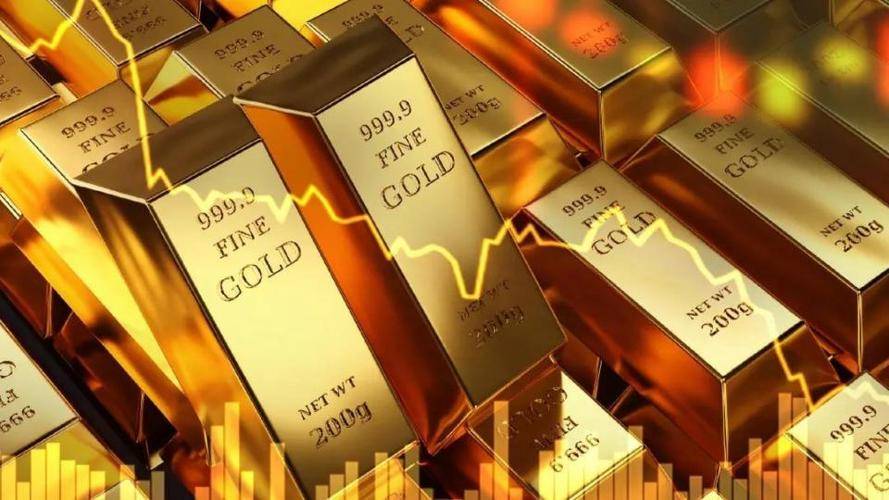
美联储内讧升级?12月降息悬念一夜逆转,黄金直线跳水!
Sou Hu Cai Jing· 2025-11-02 04:52
Core Insights - The Federal Reserve's October interest rate cut decision led to significant market volatility, with December rate cut expectations plummeting from 90% to 55%, and gold prices dropping sharply by $77 to $3930 per ounce, while the dollar index rose to 99.1 [2][3] Group 1: Federal Reserve's Internal Conflict - The Fed's decision to cut rates by 25 basis points to 3.75%-4% revealed internal divisions, with differing opinions on the necessity of aggressive easing versus inflation concerns [2][3] - The contrasting views among Fed officials highlight a split between those advocating for short-term economic stimulus and those prioritizing long-term credit stability [3] Group 2: Gold Price Dynamics - Gold's sharp decline was driven by technical sell-offs following a pre-decision price surge to $4020 per ounce, with speculative positions reaching historical highs [3][4] - The dollar's unexpected strength, despite the rate cut, was attributed to market interpretations of the Fed's hawkish shift, pushing the dollar index to a three-month high [4] - A decrease in geopolitical risk, particularly from the Russia-Ukraine negotiations and Middle East tensions, contributed to reduced demand for gold as a safe haven [4] Group 3: Long-term Policy Implications - The potential for increased political influence in the Fed could undermine its independence, leading to a cycle of politically motivated rate cuts and inflation risks [4][5] - Emerging markets, particularly China and India, are increasing gold reserves to hedge against dollar credit risks, with central bank gold holdings projected to rise to 30% of global reserves by 2025 [5][6] Group 4: Market Strategies - Short-term gold investment strategies should focus on technical support levels around $3900-$3950, with potential downside risks if these levels are breached [7] - Long-term strategies may benefit from central bank gold purchases and de-dollarization trends, with Deutsche Bank raising its 2026 gold price target to $4500 [8] - Cross-asset strategies include going long on copper due to increased demand from renewable energy investments while shorting U.S. Treasuries, as policy fluctuations may increase volatility [9] Group 5: Future Market Indicators - Key upcoming events include the November non-farm payroll and CPI data, which could influence the Fed's future rate decisions [11] - Potential nominations of external candidates to the Fed by Trump could heighten market risk aversion [12] - Escalating geopolitical conflicts may disrupt current liquidity balances, potentially driving gold prices higher [13]