
黄金投资逻辑

Search documents
金价又涨了!再突破4500美元,黄金价格来回波动,要学会及时避险
Sou Hu Cai Jing· 2026-01-07 16:03
Core Viewpoint - The recent surge in gold prices has created a volatile market environment, prompting both investment opportunities and caution among investors. The fluctuations are influenced by multiple factors, including the dollar, interest rates, risk sentiment, and capital flows [4][8][35]. Group 1: Price Movements - Gold prices have experienced rapid increases, with significant jumps from $4,365 on January 2 to $4,447 shortly thereafter, reflecting a highly volatile market [4][6]. - The price movements resemble a roller coaster, with sharp rises followed by declines, creating uncertainty for investors [6][14]. Group 2: Influencing Factors - The first key factor affecting gold prices is the dollar and interest rates, which serve as a "cost baseline" for holding gold. Higher interest rates increase the opportunity cost of holding non-yielding gold [10][12]. - The second factor is risk sentiment, which acts as a "short-term accelerator" for gold prices. In times of geopolitical tension or economic uncertainty, gold is sought after as a safe-haven asset [14][16]. - The third factor is capital flows, which dictate short-term price movements. Increased investment in gold ETFs indicates strong demand, while profit-taking can lead to price corrections [16][21]. Group 3: Central Bank Actions - Central banks globally are increasing their gold reserves, with China adding 30,000 ounces in November, bringing total reserves to 74.12 million ounces. This trend provides long-term support for gold prices [18][21]. - In October, central banks collectively added 53 tons of gold, a 36% increase from the previous month, indicating a strong commitment to gold as a strategic asset [21]. Group 4: Market Dynamics - The changing role of gold in investment portfolios reflects a shift from short-term trading to long-term asset allocation, as institutions seek to hedge against economic uncertainties [22][26]. - The market is characterized by two opposing trading groups: one focused on macroeconomic indicators like interest rates and the dollar, and the other driven by risk aversion and the desire for gold's protective qualities [26][28]. Group 5: Investment Strategy - Investors are advised to focus less on short-term price charts and more on the underlying economic factors influencing gold prices, such as dollar trends, interest rate changes, and risk sentiment [33][35]. - A rational approach to gold investment involves recognizing its role as a stabilizing asset within a diversified portfolio, rather than a vehicle for quick profits [31][37].

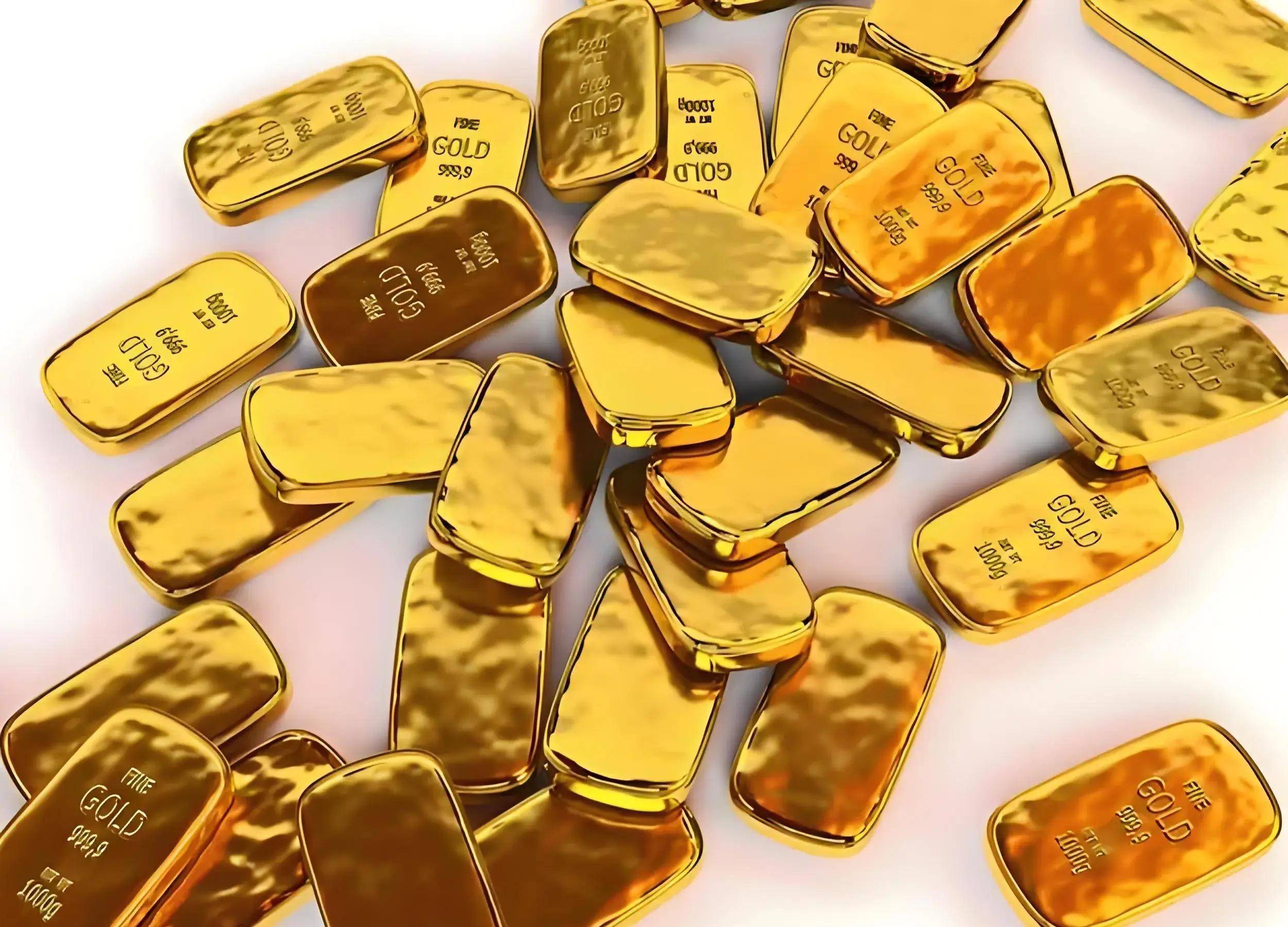
LPR发布!
清华金融评论· 2025-12-22 01:34
Group 1 - The People's Bank of China announced that the Loan Prime Rate (LPR) for one year is 3.0% and for five years and above is 3.5%, both remaining unchanged from the previous month [3] Group 2 - A call for submissions for the December issue of Tsinghua Financial Review is open, focusing on the investment logic of gold, historical cycles, and trend evolution [4]

FT中文网精选:如何看待黄金投资逻辑?
日经中文网· 2025-12-15 02:44
Core Viewpoint - The article emphasizes that increasing the allocation of gold in investment portfolios is becoming an inevitable choice for institutional investors, especially given the significant rise in gold prices this year, which have increased by up to 60%, outperforming major indices like the Nasdaq and Hang Seng [5][6]. Group 1 - Gold has demonstrated a unique investment logic this year, moving beyond traditional pricing mechanisms based on "safe-haven" and "anti-inflation" narratives [6]. - Historical context shows that gold prices surged around 2010 due to inflation and asset bubbles driven by China's stimulus measures, leading to increased domestic demand for gold [6]. - The relationship between gold and the US dollar is highlighted, noting that low US interest rates at the time allowed for profitable arbitrage opportunities involving gold imports and domestic lending [6].
等你来投!《清华金融评论》12月刊 “ 黄金投资逻辑:历史周期与趋势演变 ” 征稿启事
清华金融评论· 2025-11-10 10:06
Core Viewpoint - The article emphasizes the increasing importance of gold as a safe-haven asset due to geopolitical tensions, declining dollar credibility, and central banks' increasing gold reserves, alongside a steady rise in industrial demand for gold driven by the rapid development of electronic and renewable energy industries [4][5]. Group 1: Current Market Dynamics - Geopolitical conflicts and the decline in dollar credibility have enhanced gold's role as a hedge against risk [4][5]. - Central banks globally have significantly increased their gold purchases, with a net total of 634 tons in the first three quarters of 2023, surpassing pre-2022 averages [4]. - As of the end of October, China's gold reserves reached 74.09 million ounces (approximately 2,304.457 tons), marking a continuous increase for 12 months [4]. Group 2: Investment Trends and Regulatory Changes - The domestic gold ETF holdings increased by 79.015 tons in the first three quarters of 2023, reaching a total of 193.749 tons by the end of September [5]. - A new tax policy announced by the Ministry of Finance and the State Taxation Administration categorizes gold transactions into "investment" and "non-investment" types, providing clearer guidelines for future trading [5]. Group 3: Research and Analysis Focus - The article outlines a call for papers on the investment logic of gold, focusing on historical cycles and trend evolution, with specific topics including the cyclical characteristics of gold prices, the impact of inflation and interest rates, and the comparison between gold and digital currencies [6]. - The submission deadline for the papers is set for November 18, 2025, with a word count recommendation of 4,000 to 6,000 words [10].

美联储内讧升级?12月降息悬念一夜逆转,黄金直线跳水!
Sou Hu Cai Jing· 2025-11-02 04:52
Core Insights - The Federal Reserve's October interest rate cut decision led to significant market volatility, with December rate cut expectations plummeting from 90% to 55%, and gold prices dropping sharply by $77 to $3930 per ounce, while the dollar index rose to 99.1 [2][3] Group 1: Federal Reserve's Internal Conflict - The Fed's decision to cut rates by 25 basis points to 3.75%-4% revealed internal divisions, with differing opinions on the necessity of aggressive easing versus inflation concerns [2][3] - The contrasting views among Fed officials highlight a split between those advocating for short-term economic stimulus and those prioritizing long-term credit stability [3] Group 2: Gold Price Dynamics - Gold's sharp decline was driven by technical sell-offs following a pre-decision price surge to $4020 per ounce, with speculative positions reaching historical highs [3][4] - The dollar's unexpected strength, despite the rate cut, was attributed to market interpretations of the Fed's hawkish shift, pushing the dollar index to a three-month high [4] - A decrease in geopolitical risk, particularly from the Russia-Ukraine negotiations and Middle East tensions, contributed to reduced demand for gold as a safe haven [4] Group 3: Long-term Policy Implications - The potential for increased political influence in the Fed could undermine its independence, leading to a cycle of politically motivated rate cuts and inflation risks [4][5] - Emerging markets, particularly China and India, are increasing gold reserves to hedge against dollar credit risks, with central bank gold holdings projected to rise to 30% of global reserves by 2025 [5][6] Group 4: Market Strategies - Short-term gold investment strategies should focus on technical support levels around $3900-$3950, with potential downside risks if these levels are breached [7] - Long-term strategies may benefit from central bank gold purchases and de-dollarization trends, with Deutsche Bank raising its 2026 gold price target to $4500 [8] - Cross-asset strategies include going long on copper due to increased demand from renewable energy investments while shorting U.S. Treasuries, as policy fluctuations may increase volatility [9] Group 5: Future Market Indicators - Key upcoming events include the November non-farm payroll and CPI data, which could influence the Fed's future rate decisions [11] - Potential nominations of external candidates to the Fed by Trump could heighten market risk aversion [12] - Escalating geopolitical conflicts may disrupt current liquidity balances, potentially driving gold prices higher [13]
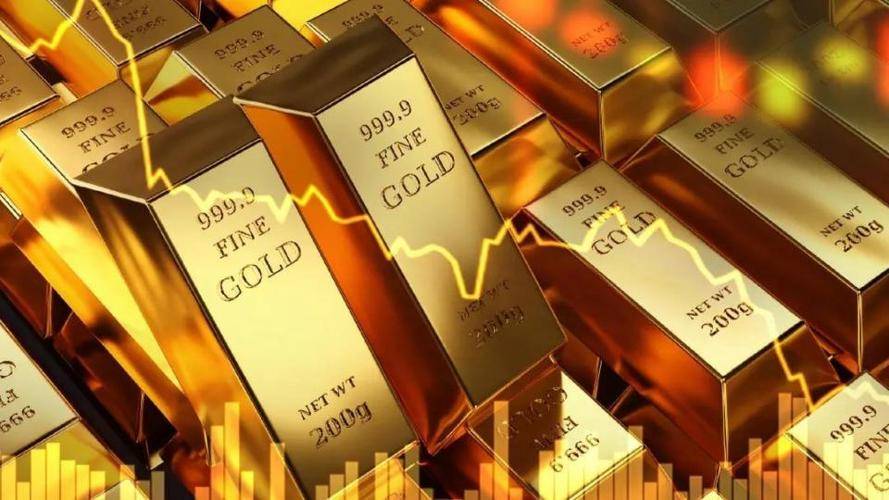
招商证券:如何看待黄金和黄金珠宝股的波动及后续走势?
Zhi Tong Cai Jing· 2025-10-28 03:17
Macro - The rise in gold prices since 2022 is driven by three core factors: 1) cyclical factors related to the Federal Reserve's shift from rate hikes to potential cuts; 2) concerns over the credibility of the US dollar, prompting global central banks to diversify their reserves by purchasing gold; 3) short-term factors such as geopolitical tensions and uncertainties in global trade, leading to increased investment in gold as a safe-haven asset [1] - In the short term, gold prices are expected to experience volatility and enter a consolidation phase, but in the medium to long term, three factors will continue to push gold prices higher: 1) ongoing purchases of gold by global central banks to hedge against dollar credit risk; 2) a shift in global gold ETFs from net sellers to net buyers; 3) market expectations of two more rate cuts by the Federal Reserve this year, with potential for larger cuts after a change in leadership next year [1] Asset Allocation - Gold valuation remains at an acceptable level, with domestic institutions having room for increased allocation: based on quantitative metrics, the short-term focus should be on assessing market risk aversion through economic policy uncertainty indices, while the medium-term valuation perspective shows that the ratio of gold priced in dollars to reserve currency M2 is at a historical percentile of 77%, still within acceptable limits [2] - A horizontal comparison of mean-variance, risk budgeting, and all-weather strategies suggests optimal gold allocation ratios of 5%-10%, 10%-20%, and 20%-25% respectively; current allocations by public funds, bank wealth management, and insurance institutions are still at marginal growth levels, indicating potential for absolute increases [2] Precious Metals - Since mid-October, gold stocks have not followed the upward trend of gold prices primarily due to the significant rise in gold prices since August, leading to overbought technical indicators and cautious sentiment in the equity market, causing gold stocks to peak and retreat ahead of gold prices [3] - As gold prices stabilize and build a base, gold stock prices are expected to realign with gold prices; current valuations of gold stocks are at historical lows, with a rolling P/E ratio of approximately 30 times, indicating potential for recovery [3] - Recommended gold stocks include Lingbao Gold, Tongguan Gold, Zijin Mining International, Shandong Gold, Chifeng Jilong Gold, Shanjin International, and Zhongjin Gold; for silver, recommended stocks include Xingye Silver and Shengda Resources [3] Jewelry and Light Industry - Starting in 2024, the gold jewelry industry is expected to exhibit structural demand characteristics: first, consumption among the middle class and high-net-worth individuals in mainland China is weakening and becoming more rational; second, the continuous rise in gold prices will lead to a decline in the consumption of gold for jewelry starting in 2024; third, brands like Lao Pu, Chow Tai Fook, and others are focusing on craftsmanship upgrades and integrating traditional Chinese culture, positioning gold as a mainstream in the domestic jewelry fashion market [4] - Chow Tai Fook has returned to a mid-to-high-end positioning, with significant improvements in channel reform and product upgrades, resulting in a 4.1% year-on-year increase in overall retail value in Q3, with same-store sales growth of 7.6%; high-margin priced products contributed 30% to retail value, enhancing profitability [4]

黄金“猛回头”,是插曲还是拐点?丨每日研选
Shang Hai Zheng Quan Bao· 2025-10-23 00:17
Core Viewpoint - Recent fluctuations in international gold prices have raised questions about whether the current downturn is a temporary adjustment or indicative of a fundamental shift in the market dynamics [1] Group 1: Market Analysis - The recent sharp decline in gold prices is attributed to potential geopolitical changes and emotional market corrections following a period of rapid price increases [2] - Gold's long-term stability is supported by ongoing global economic unilateralism and the unchanged fundamental logic of dollar credit depreciation, suggesting a positive long-term outlook for gold prices [2] - Short-term price movements may lead to a consolidation phase, with caution advised for short-term investors [3] Group 2: Investment Strategies - Despite recent price drops, the macroeconomic environment and potential trends in the overseas spot market indicate that gold and silver prices still have room for growth, although some consolidation time is necessary [4] - The prevailing bullish sentiment towards precious metals remains, with expectations that the current upward trend in gold and silver prices is not yet over, despite potential short-term risks [5] - Ongoing purchases of gold by central banks and concerns over the U.S. job market may support precious metal prices in the medium to long term [6]
美联储降息如期而至,为何黄金还大跌?
Sou Hu Cai Jing· 2025-09-21 13:32
Core Viewpoint - The Federal Reserve's recent interest rate cut of 25 basis points has significant implications for the gold market, leading to a notable drop in gold prices shortly after the announcement [1][13]. Group 1: Gold Market Dynamics - The spot price of London gold reached a historic high of over $3700 per ounce on September 17, prior to the Fed's announcement [2]. - The three main factors influencing gold prices are: 1) hedging against the dollar's credit system, 2) the global central bank gold purchasing trend, and 3) the accumulation of risk aversion due to geopolitical tensions and economic instability [3][21][30]. - The recent rise in gold prices from late August to mid-September was primarily driven by market expectations of the Fed's interest rate cut [10][11]. Group 2: Interest Rate Impact - A reduction in interest rates decreases the attractiveness of the dollar, leading to a decline in global capital inflow into dollar-denominated assets [6][7]. - The market had already priced in the 25 basis point cut, resulting in a normal price correction for gold following the announcement [13][14]. Group 3: Central Bank Behavior - As of mid-September, global central bank reserves of gold surpassed those of U.S. Treasury bonds for the first time since 1996, indicating a significant shift in asset allocation [25][26]. - The ongoing trend of central banks purchasing gold is a key driver of the current gold market dynamics [24]. Group 4: Geopolitical and Economic Factors - Recent geopolitical events, such as conflicts in the Middle East and concerns over U.S. government shutdowns, have contributed to fluctuations in gold prices [17][18][27]. - The interplay between U.S. monetary policy and global economic conditions remains a critical factor in determining gold's future trajectory [22][32].
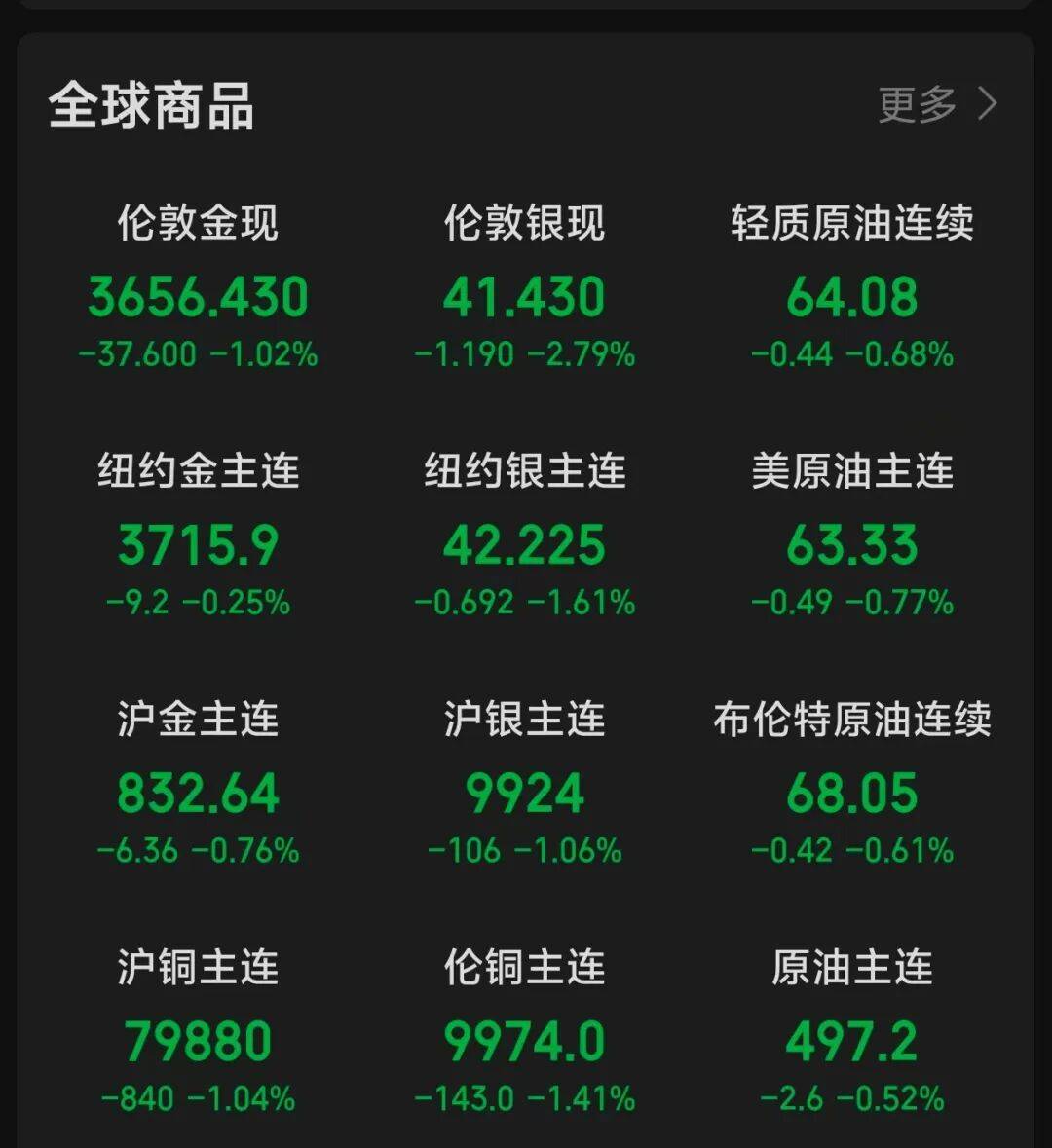
黄金连跌引恐慌,底部在哪里? 当前的投资逻辑彻底转空了吗? 实战交易员Rinly正在直播分析中,点击马上观看!
news flash· 2025-05-12 11:05
Core Viewpoint - The recent decline in gold prices has triggered panic among investors, raising questions about the potential bottom and whether the current investment logic has completely turned bearish [1] Group 1 - Gold prices have been experiencing a continuous drop, leading to increased investor anxiety [1] - The live analysis by trader Rinly aims to provide insights into the current market situation and trading strategies [1]