车厘子品控

Search documents
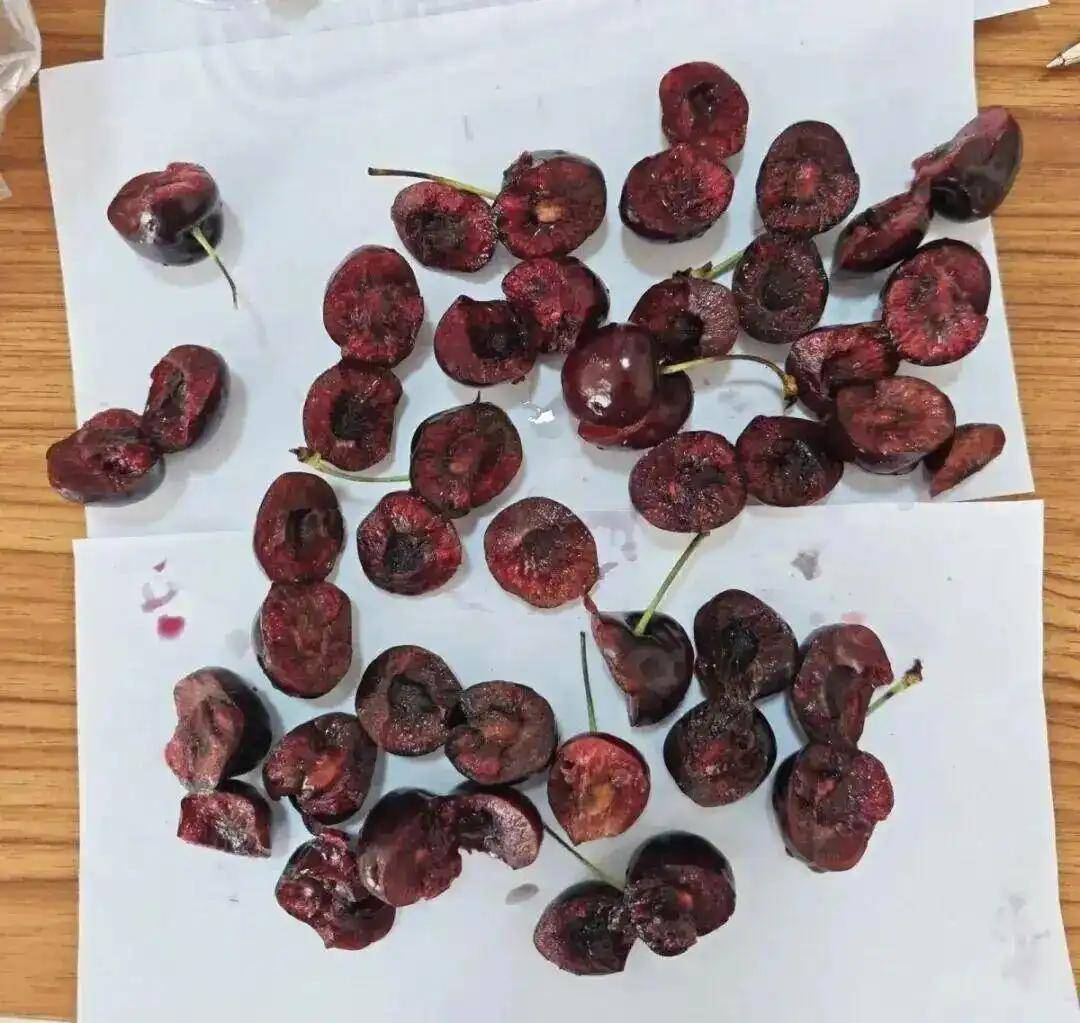
坏果率远超标准,河南商超胖东来全面下架智利车厘子!
Sou Hu Cai Jing· 2026-02-13 06:31
Core Viewpoint - The recent quality control issues surrounding Chilean cherries have led to a significant decision by the Chinese supermarket chain, Pang Donglai, to remove these products from their shelves, impacting consumer trust and sales dynamics in the cherry market [1][3]. Group 1: Quality Control Issues - Pang Donglai announced the removal of Chilean cherries due to a high bad fruit rate, with internal reports indicating that the compliance rate of the products was below 60% [3]. - The decline in quality is attributed to extended storage times and price control strategies by intermediaries, which have resulted in widespread spoilage [3]. - The wholesale price of Chilean cherries has dropped by 22% year-on-year, reaching a five-year low, which may have indirectly affected quality control investments [3]. Group 2: Market Response and Pricing - To address the gap left by the removal of Chilean cherries, Pang Donglai has introduced Australian and New Zealand cherries, priced significantly higher at 190 yuan per jin, nearly double the price of the Chilean variety [6]. - Sales of the new products have been disappointing, with daily sales dropping to less than 30% of previous levels due to price sensitivity among consumers [6]. - There are reports of declining taste and quality in imported cherries, with some consumers noting bitterness, which is linked to cold chain logistics and storage management [6]. Group 3: Consumer Trust and Future Strategies - Pang Donglai has maintained its "no-reason trust refund" policy, allowing consumers to return bad fruit without needing physical proof, which has been positively received [7]. - The supermarket has not confirmed whether it will resume purchasing Chilean cherries, indicating that future decisions will depend on quality assessments from various production regions [7]. - This incident may encourage import fruit vendors to establish stricter grading standards, reflecting a shift in consumer expectations towards quality and value rather than just low prices [7].