车厘子自由

Search documents
春节前夕车厘子走俏:价格大幅跳水,消费者忙“捡漏”
Yang Zi Wan Bao Wang· 2026-02-14 14:39
Core Insights - The price of cherries, known as the "fruit aristocrat," has significantly dropped ahead of the Spring Festival, making them a popular choice in the New Year market [2][4] - Compared to the same period last year, cherry prices have decreased by nearly 50%, leading to a surge in sales as consumers prefer bulk purchases [2][4] Price Trends - The current market price for mainstream 3J grade 5 kg cherry boxes ranges from 100 to 150 yuan, down from over 200 yuan last year, indicating a substantial price reduction [2] - Despite potential price rebounds as the festival approaches, cherries remain much cheaper than last year, contributing to a 60% year-on-year increase in overall sales in Suzhou [4] Consumer Behavior - Consumers are increasingly opting for 5 kg boxes of cherries instead of buying them in smaller quantities, as the per-kilogram price is more attractive [4] - A consumer noted that the cost of 3J grade cherries is approximately 30 yuan per kilogram when purchased in bulk, making it a cost-effective option for both personal consumption and gifting [4] Quality Considerations - While the supply of cherries is abundant this year, there is a notable quality differentiation in the market, with lower-priced options often being of inferior quality [6] - Industry experts recommend consumers prioritize purchasing from reputable supermarkets, farmers' markets, and brand fruit stores to ensure quality and value for money [6]

坏果率远超标准,河南商超胖东来全面下架智利车厘子!
Sou Hu Cai Jing· 2026-02-13 06:31
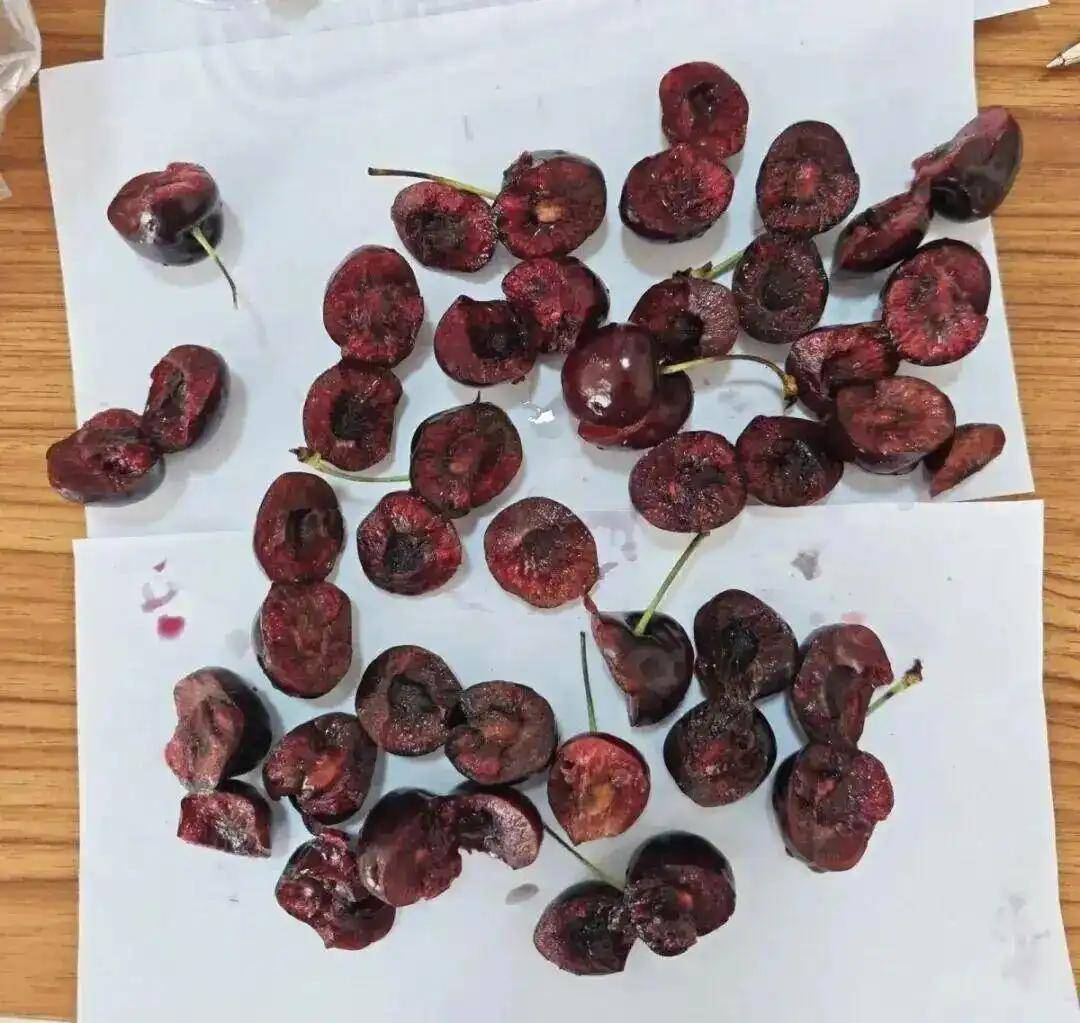
Core Viewpoint - The recent quality control issues surrounding Chilean cherries have led to a significant decision by the Chinese supermarket chain, Pang Donglai, to remove these products from their shelves, impacting consumer trust and sales dynamics in the cherry market [1][3]. Group 1: Quality Control Issues - Pang Donglai announced the removal of Chilean cherries due to a high bad fruit rate, with internal reports indicating that the compliance rate of the products was below 60% [3]. - The decline in quality is attributed to extended storage times and price control strategies by intermediaries, which have resulted in widespread spoilage [3]. - The wholesale price of Chilean cherries has dropped by 22% year-on-year, reaching a five-year low, which may have indirectly affected quality control investments [3]. Group 2: Market Response and Pricing - To address the gap left by the removal of Chilean cherries, Pang Donglai has introduced Australian and New Zealand cherries, priced significantly higher at 190 yuan per jin, nearly double the price of the Chilean variety [6]. - Sales of the new products have been disappointing, with daily sales dropping to less than 30% of previous levels due to price sensitivity among consumers [6]. - There are reports of declining taste and quality in imported cherries, with some consumers noting bitterness, which is linked to cold chain logistics and storage management [6]. Group 3: Consumer Trust and Future Strategies - Pang Donglai has maintained its "no-reason trust refund" policy, allowing consumers to return bad fruit without needing physical proof, which has been positively received [7]. - The supermarket has not confirmed whether it will resume purchasing Chilean cherries, indicating that future decisions will depend on quality assessments from various production regions [7]. - This incident may encourage import fruit vendors to establish stricter grading standards, reflecting a shift in consumer expectations towards quality and value rather than just low prices [7].
揭秘“车厘子自由”背后的“鲜度接力”
Xin Hua Wang· 2026-01-31 23:30
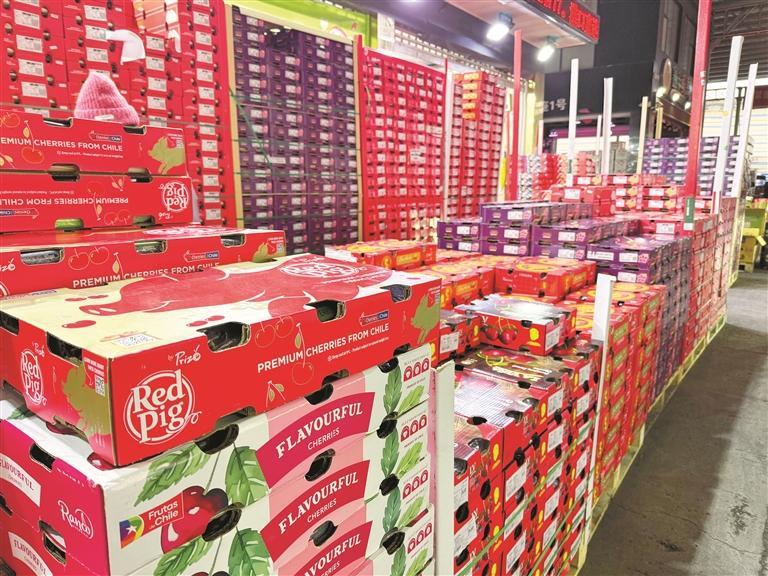
Core Insights - Over 90% of Chilean cherries are exported to China, highlighting a significant trade relationship between the two countries [1] - The cooperation between Chile and China in the cherry market is facilitated by policy and market dynamics, including upgraded free trade agreements and improved logistics [2] Group 1: Trade Dynamics - The upgraded free trade agreement allows Chilean cherries to enjoy zero tariffs when exported to China [2] - Since 2000, the planting area for cherries in Chile has expanded approximately 20 times, indicating a substantial increase in production capacity [2] - In the 2024-2025 season, Chile is expected to export cherries worth nearly $3.3 billion to China, with projections for further growth in the 2025-2026 season [4] Group 2: Logistics and Supply Chain - The journey of cherries from Chile to China spans nearly 20,000 kilometers and takes about 23 days via sea transport [2] - Modern cold chain logistics and agricultural preservation techniques are crucial for maintaining cherry freshness during transport [2] - Upon arrival in China, cherries benefit from streamlined customs processes, including "advance declaration," "immediate inspection," and "immediate release," ensuring efficient delivery to consumers [2]
贵阳车厘子市场价格显著回落
Xin Lang Cai Jing· 2026-01-11 22:25
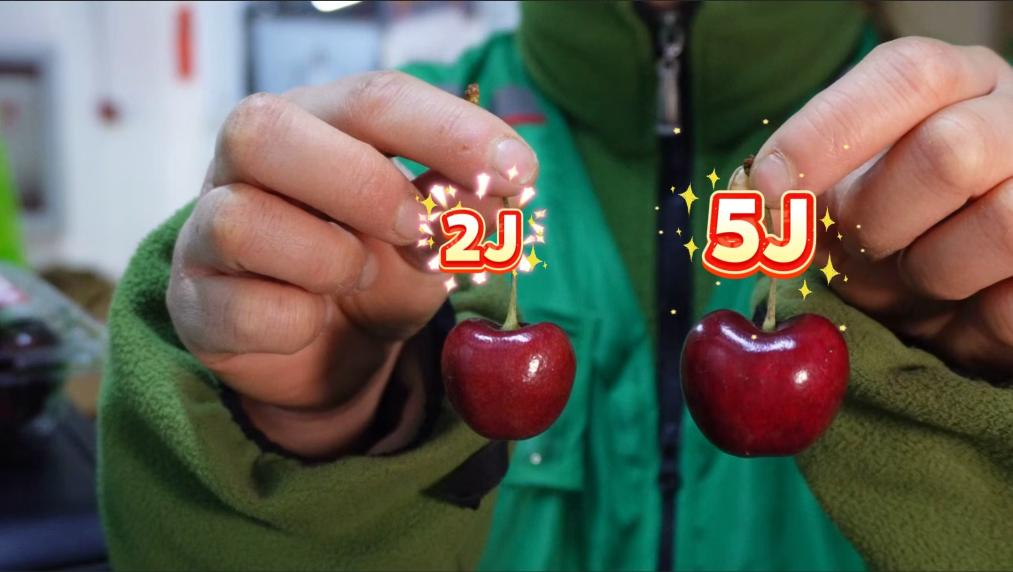
Group 1 - The price of cherries has significantly decreased, with wholesale prices in Guiyang showing a decline of approximately 25% to 40% compared to the same period last year [2][4] - Current wholesale prices for cherries vary by grade, with J grade at about 38 CNY/kg, 2J grade at 50 CNY/kg, 3J grade at 60 CNY/kg, and 4J grade at 72 CNY/kg [2] - The increase in cherry supply from Chile, with an expected production of 655,000 tons for the 2025/2026 season, is a key factor contributing to the price drop, as over 90% of this production is exported to China [4] Group 2 - Retail prices for cherries have also decreased, with a notable example being the price of 2J grade cherries dropping from 29.9 CNY for 250 grams to 19.9 CNY within a few weeks, reflecting a decline of about 33.4% [3][4] - Street vendors in Guiyang are selling 3J grade cherries for 70 to 80 CNY/kg and 4J grade for 80 to 90 CNY/kg, which, while slightly higher than wholesale prices, remain lower than last year's prices [4] - Improved shipping efficiency, with a reduction in transport time to 23 days, has also contributed to lower costs and prices for cherries this season [4]
“车厘子自由”只是一个开始
Xin Lang Cai Jing· 2026-01-11 21:22
Core Viewpoint - The significant drop in cherry prices, nearly 40%, is attributed to a combination of global supply chain improvements, agricultural capacity increases, and changes in domestic consumption patterns, leading to the "democratization" of high-end fruits like cherries [1][6]. Price Trends and Consumer Behavior - In Nanjing, cherries are now priced below 40 yuan per jin for 2J and 3J specifications, with promotional prices as low as 20 yuan per jin, prompting consumers to express their excitement over "cherry freedom" [1][2]. - The price gradient in the cherry market reflects a mature consumer market, with various specifications catering to different consumer needs, from budget-conscious buyers to those seeking premium quality [3]. Supply Chain Dynamics - The increase in cherry supply is linked to the arrival of new varieties and improved logistics, with the average price of cherries previously reaching as high as 240 yuan per jin due to limited air freight availability [4][5]. - The logistics revolution has significantly reduced shipping costs, with sea freight now costing only one-third of air freight, allowing consumers to enjoy high-quality cherries at lower prices [6][7]. Infrastructure and Technological Advancements - China's cold chain infrastructure has seen substantial upgrades, with major ports like Guangzhou Nansha and Ningbo Meishan enhancing their cold storage capacities, ensuring rapid distribution of fresh produce [7]. - The efficiency of sea freight has improved, with transit times reduced to approximately 23 days, and advanced temperature control systems ensuring minimal quality loss during transport [6][7]. Market Outlook - The decline in cherry prices is indicative of broader trends in the high-end fruit market, with other fruits like durians and avocados also experiencing similar price drops due to increased supply [7]. - The ongoing evolution of agricultural trade between China and South America suggests that more high-quality fruits will become accessible to Chinese consumers at attractive prices, marking the beginning of a new era in fruit consumption [7].
【光明时评】让全球好物与中国市场互利共赢
Xin Lang Cai Jing· 2026-01-11 20:19
Core Viewpoint - The article highlights the increasing accessibility of cherries in China, symbolizing improved consumer purchasing power and the benefits of China's open trade policies [1][2]. Group 1: Market Dynamics - Cherries, once considered a luxury fruit, have seen a significant increase in supply and a decrease in prices, leading to a shift in consumer purchasing behavior from buying by weight to buying by box [1]. - The term "cherry freedom" has emerged as a reflection of enhanced living standards, facilitated by China's economic development and strategic trade agreements [1][2]. Group 2: Trade and Logistics - China's free trade agreements with major cherry-producing countries like Chile have drastically reduced tariffs, making cherries more affordable for consumers [1]. - Efficient logistics, including "smart customs" and advanced cold chain technology, have enabled rapid delivery of cherries to Chinese markets, exemplified by a 20-minute customs clearance and subsequent market availability within 5 hours [1]. Group 3: Economic Impact - The demand for cherries in China has led to significant economic benefits for Chile, creating numerous jobs and encouraging local farmers to adopt new technologies and improve management practices [2]. - The story of cherries illustrates the broader narrative of China's commitment to high-level openness and its potential to drive sustainable global economic growth [3].
2026车厘子杀疯了!25元/斤腰斩甩卖,全民囤货潮背后是消费觉醒
Sou Hu Cai Jing· 2026-01-10 08:22
Core Insights - The price of cherries has significantly decreased this winter, making them more accessible to ordinary consumers, shifting from a luxury item to a common fruit [1][40] - The drastic price drop has led to a surge in sales, with consumers actively stockpiling cherries, likening the trend to hoarding cabbage [3][11] Price Trends - The price of cherries has halved compared to last year, with 1J cherries priced at 20 yuan per pound and 2J cherries at 25 yuan, down from 45 yuan [6][4] - Online promotions have intensified, with bulk purchases offering significant savings, such as 2.5 kg of 2J cherries for 124 yuan [9][11] - Sales volume has doubled in markets like Jinan, despite lower profit margins per pound, indicating strong demand [11][4] Supply Chain Dynamics - The increase in cherry supply is attributed to an early harvest season and a surge in shipping frequency, with January imports being 1.5 times that of December [15][17] - Transportation costs have decreased significantly, with shipping times reduced from 28 days to 23 days, and costs being one-fifth of air freight [19][21] - The loss rate during transport has improved from 25% to 8%, further contributing to lower retail prices [21][19] Market Changes - The consumer base for cherries has shifted to include more ordinary families, with over 50% of purchases now made by households rather than businesses [13][40] - The holiday premium previously associated with cherries has diminished, reflecting a change in consumer purchasing behavior [13][40] Long-term Factors - The zero-tariff policy established in 2017 between China and Chile has facilitated easier access to cherries, with 93% of Chilean exports now directed to the Chinese market [21][23] - The area dedicated to cherry cultivation in Chile has increased dramatically from 3,241 hectares in 2000 to 74,148 hectares in 2024, indicating a significant expansion in production capacity [23][21] Consumer Behavior - The current market conditions suggest that January may be the best time to purchase cherries at lower prices, with expectations of a slight price increase as the Chinese New Year approaches [25][40] - The changing perception of cherries from a status symbol to a more rational consumer choice reflects a broader trend in consumer behavior towards practicality and value [39][40]
车厘子,价格大跳水
投资界· 2026-01-08 02:54
Core Viewpoint - The article discusses the significant price drop of cherries in China, transforming them from a luxury item to a more accessible fruit, reflecting a shift in consumer attitudes towards high-priced goods [1][4][14]. Price Trends - The price of imported Chilean cherries has decreased from 185 RMB per kilogram on November 5, 2025, to 148 RMB per kilogram by January 5, 2026, indicating a substantial decline [4]. - Some wholesale prices have dropped by over 50% compared to previous highs, leading to consumer confusion and hesitation in purchasing [4][5]. Consumer Behavior - Consumers are now adopting a more rational approach to purchasing cherries, often waiting for prices to drop before buying, which contrasts with previous years when cherries were seen as a status symbol [1][11][14]. - The perception of cherries has shifted from a luxury item to a common fruit, with discussions around their health benefits and safety becoming more casual and relatable [3][6]. Market Dynamics - Despite a decrease in cherry prices, the total export volume from Chile is expected to decline by 12.1% in the 2025-2026 season, indicating a complex relationship between supply and demand [8]. - The increase in cherry production area in Chile, from 3,241 hectares in 2000 to 74,148 hectares in 2024, has contributed to the price decline, alongside advancements in transportation reducing costs [9][10]. Cultural Shift - The article highlights a cultural shift where cherries, once a symbol of wealth and status, are now viewed as an everyday fruit, with consumers prioritizing taste and affordability over luxury [1][14]. - The narrative around cherries has evolved from being a marker of financial success to a more grounded appreciation for their flavor and quality [14].
“刚买完又降40块”,跌落凡间的车厘子更没人要了?
3 6 Ke· 2026-01-07 01:52
Core Viewpoint - The price of cherries has significantly dropped, leading to a shift in consumer perception from viewing cherries as a luxury item to a more accessible fruit, emphasizing taste over status [1][4][26]. Price Trends - The reference price for imported Chilean cherries has decreased from 185 yuan per kilogram on November 5, 2025, to 148 yuan per kilogram by January 5, 2026, indicating a substantial price drop [4]. - Some specifications of cherries have seen price reductions exceeding 50% since mid-December 2025 [4]. - The price drop has led consumers to adopt a stock market-like mentality, buying cherries in bulk to average down costs [1][6]. Consumer Behavior - Consumers are now more cautious about purchasing cherries, often weighing the risk of price drops before buying [6]. - The perception of cherries has shifted from a symbol of wealth to a common fruit, with discussions around their health effects becoming more relatable [3][26]. Market Dynamics - Despite a decrease in cherry prices, Chile's total cherry export volume is projected to decline by 12.1% in the 2025-2026 season, down to approximately 550,000 tons [11]. - The early harvesting season due to climate change has led to an oversupply in the market, contributing to the price drop [13]. - The increase in cherry cultivation area in Chile has surged from 3,241 hectares in 2000 to 74,148 hectares in 2024, significantly impacting supply [15]. Transportation and Cost Factors - The cost of transporting cherries has decreased due to advancements in shipping technology and an increase in direct flights from Chile to China, which has contributed to lower retail prices [16][17]. - The number of direct flights for cherry transport has doubled, enhancing supply chain efficiency [16]. Cultural Shift - The once-prestigious status of cherries as a luxury item has diminished, with consumers now prioritizing quality and price over brand prestige [26]. - The trend of gifting cherries during holidays has decreased, with consumers now favoring more affordable options [24].
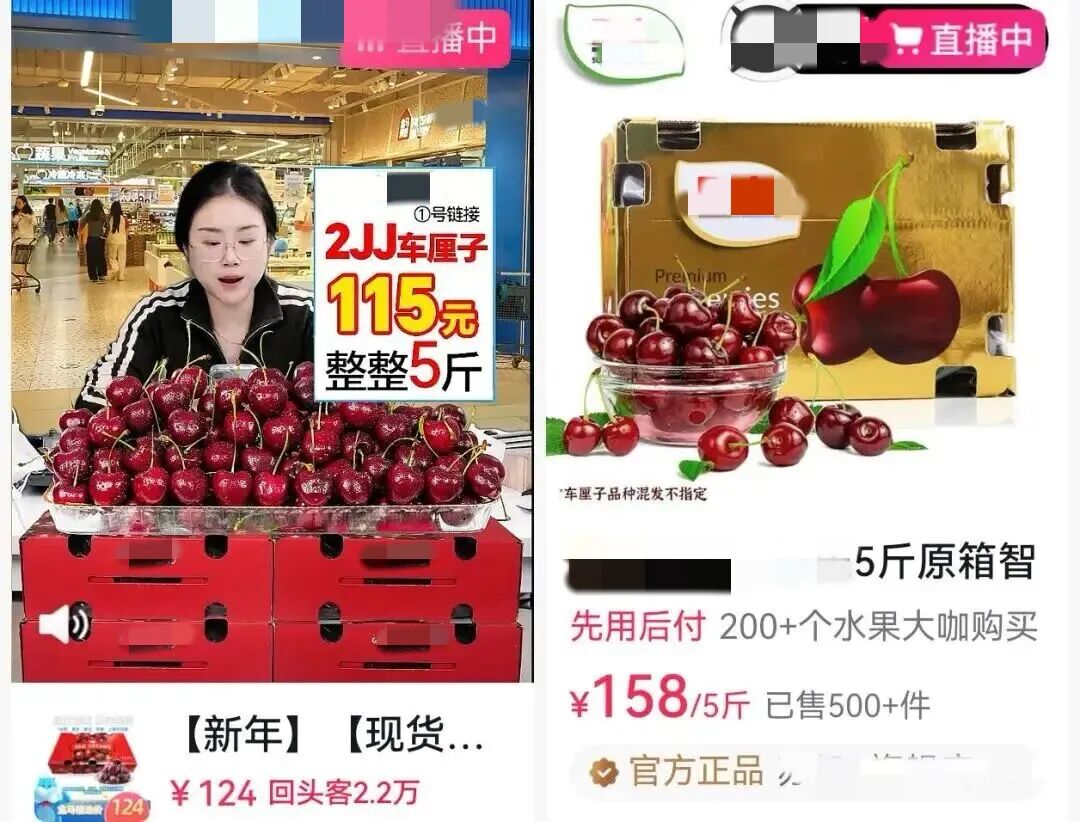
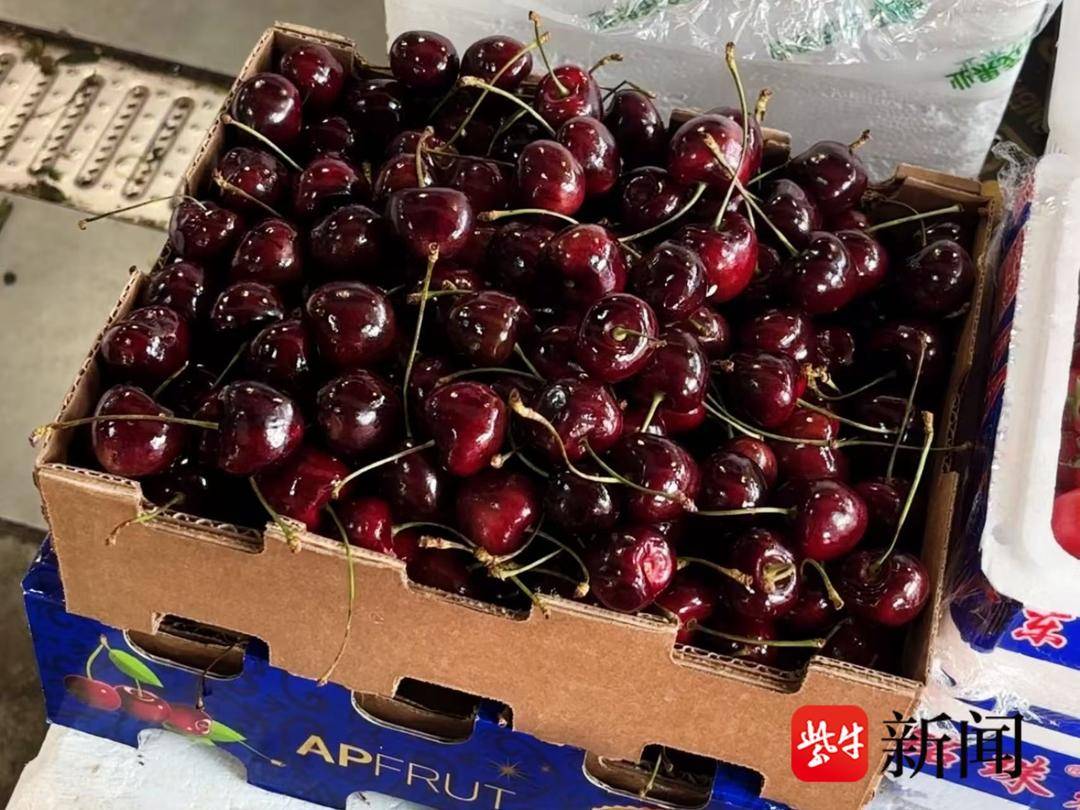
车厘子价格下降,却频遭消费者吐槽开箱如开盲盒
Sou Hu Cai Jing· 2026-01-05 08:15
Core Viewpoint - The price of cherries has significantly dropped, leading to consumer excitement about "cherry freedom," but concerns about quality have emerged as consumers experience discrepancies between advertised and actual product standards [1][2]. Group 1: Quality Issues - The "J" (Jumbo) label, which indicates fruit size, is being misused by some sellers, leading to confusion among consumers regarding the actual size of the cherries they receive [2][4]. - Consumers have reported receiving cherries that do not match the advertised specifications, with instances of "double labeling" where the outer label suggests a higher quality than the actual product [4][6]. - Complaints about inconsistent quality have surged on social media, with consumers noting issues such as poor taste, lack of freshness, and the presence of spoiled fruit [7][9]. Group 2: Supply Chain Challenges - The increase in cherry supply this season is attributed to early harvesting due to climate changes, resulting in lower quality cherries with insufficient sugar content [10]. - The logistics of transporting cherries have been strained, with cold chain storage and distribution facing challenges that affect fruit quality during transit [10]. - Some sellers are mixing old and new stock to clear inventory, complicating the consumer's ability to distinguish between quality levels [10]. Group 3: Consumer Rights and Challenges - Consumers face significant difficulties in asserting their rights when the product received does not match the advertisement, as fresh produce typically does not qualify for a "no reason return" policy [11][12]. - The burden of proof lies heavily on consumers, requiring them to document the condition of the product meticulously to support any claims for refunds [12]. - Legal experts emphasize the importance of retaining evidence, such as promotional materials and unedited unboxing videos, to strengthen the case for refunds or compensation [12].