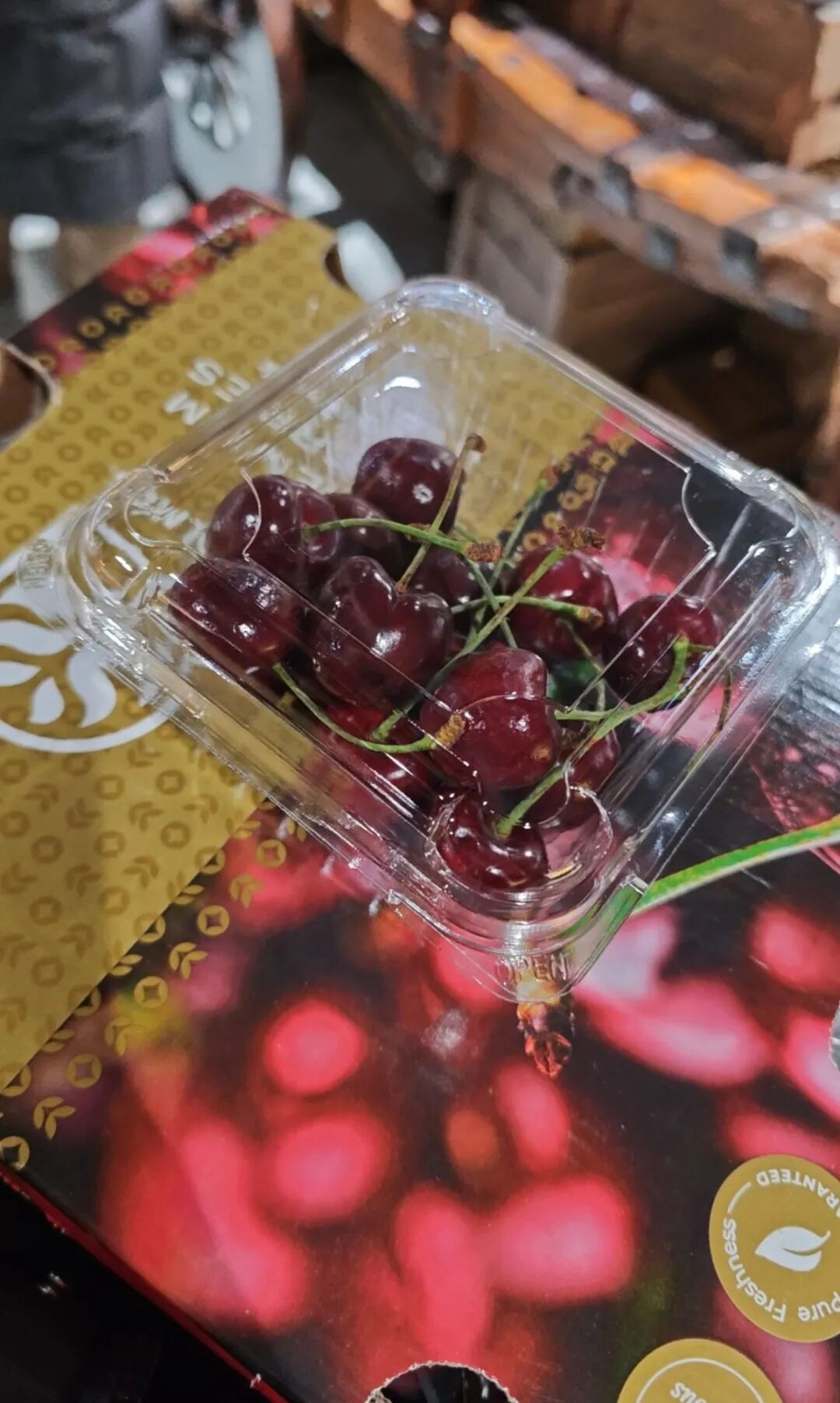
澳洲车厘子

Search documents
车厘子“崩盘”背后:进口水果供应链的脆弱性暴露与行业重构信号
Sou Hu Cai Jing· 2026-02-15 11:41
Core Insights - The Chilean cherry market is facing a significant crisis, with wholesale prices dropping by 22% year-on-year, reaching a five-year low during the peak season in February 2026 [1] - Retailers like Sam's Club and Hema have slashed prices to around 20 yuan per jin, but this price drop has not stimulated consumer demand due to quality issues [3][5] - The crisis is attributed to supply chain mismanagement and inventory issues, exacerbated by a mismatch in timing between the Chinese New Year and the early arrival of Chilean cherries [3][8] Supply Chain Issues - The supply chain failure is characterized by poor inventory management, where some importers hoarded stock to wait for higher prices, leading to spoilage due to prolonged storage [3] - The limitations of packaging technology, specifically the MAP (Modified Atmosphere Packaging) used for transporting cherries, have been overlooked, resulting in quality degradation over time [5] Retail Response - The decision by the retailer Pang Donglai to remove Chilean cherries from shelves reflects a market signal that price is not the only competitive factor; maintaining high-quality standards is crucial [6] - Despite the significant increase in retail prices (approximately 190 yuan per jin) for cherries sourced from Australia and New Zealand, this move underscores the importance of brand reputation over cost [6] Industry Outlook - The current crisis should be viewed as a structural warning for the industry, highlighting the need for diversification in sourcing to mitigate risks associated with reliance on a single origin [8] - The traditional trading mindset of hoarding stock for price differences is being challenged, emphasizing the need for efficient inventory turnover and quality control [8] - The perception that imported goods equate to high quality is being disrupted, necessitating greater transparency from retailers regarding product information to avoid reputational risks [8]

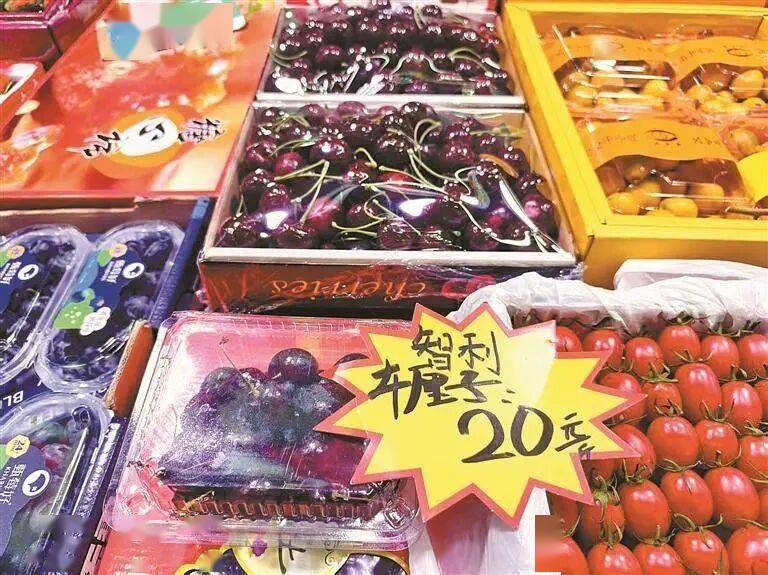
坏果率远超标准,河南商超胖东来全面下架智利车厘子!
Sou Hu Cai Jing· 2026-02-13 06:31
Core Viewpoint - The recent quality control issues surrounding Chilean cherries have led to a significant decision by the Chinese supermarket chain, Pang Donglai, to remove these products from their shelves, impacting consumer trust and sales dynamics in the cherry market [1][3]. Group 1: Quality Control Issues - Pang Donglai announced the removal of Chilean cherries due to a high bad fruit rate, with internal reports indicating that the compliance rate of the products was below 60% [3]. - The decline in quality is attributed to extended storage times and price control strategies by intermediaries, which have resulted in widespread spoilage [3]. - The wholesale price of Chilean cherries has dropped by 22% year-on-year, reaching a five-year low, which may have indirectly affected quality control investments [3]. Group 2: Market Response and Pricing - To address the gap left by the removal of Chilean cherries, Pang Donglai has introduced Australian and New Zealand cherries, priced significantly higher at 190 yuan per jin, nearly double the price of the Chilean variety [6]. - Sales of the new products have been disappointing, with daily sales dropping to less than 30% of previous levels due to price sensitivity among consumers [6]. - There are reports of declining taste and quality in imported cherries, with some consumers noting bitterness, which is linked to cold chain logistics and storage management [6]. Group 3: Consumer Trust and Future Strategies - Pang Donglai has maintained its "no-reason trust refund" policy, allowing consumers to return bad fruit without needing physical proof, which has been positively received [7]. - The supermarket has not confirmed whether it will resume purchasing Chilean cherries, indicating that future decisions will depend on quality assessments from various production regions [7]. - This incident may encourage import fruit vendors to establish stricter grading standards, reflecting a shift in consumer expectations towards quality and value rather than just low prices [7].
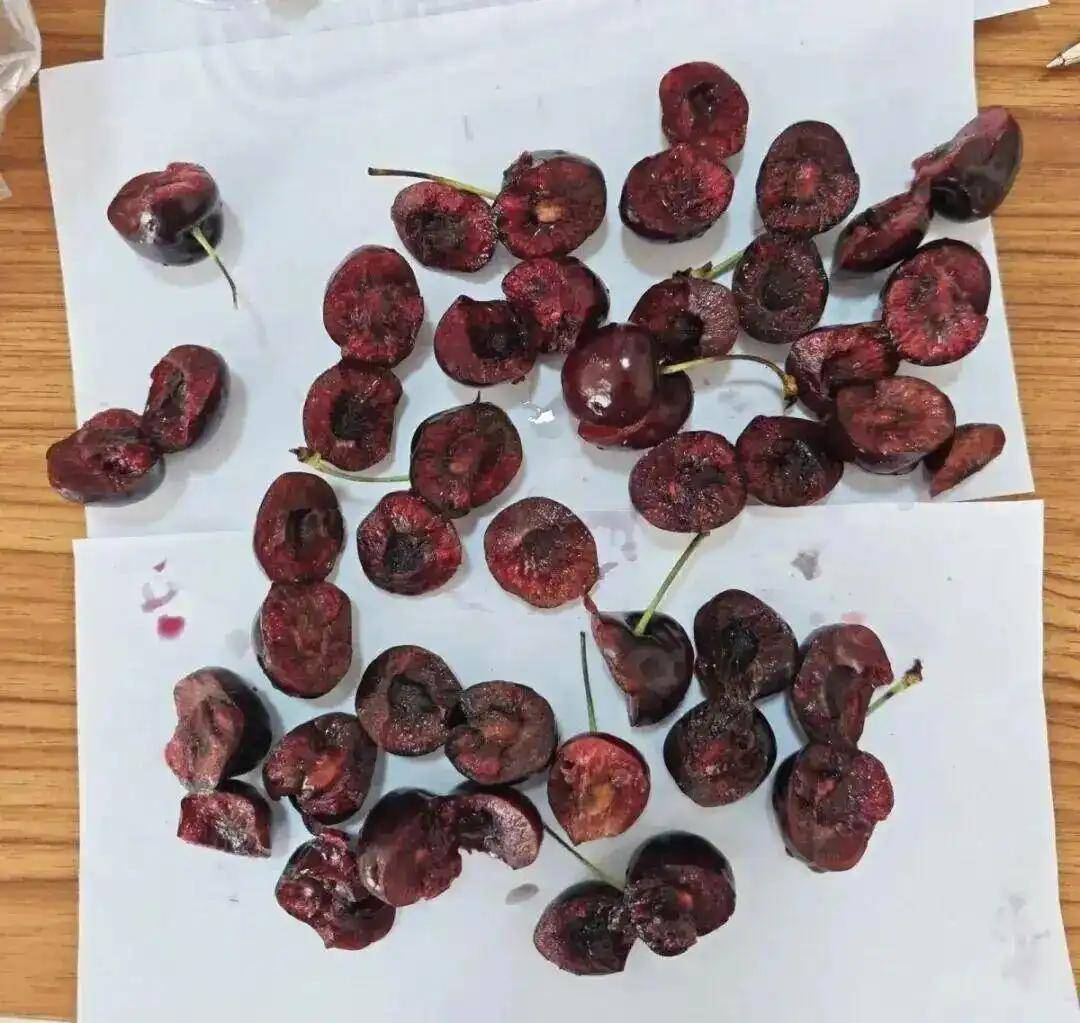
胖东来全面下架智利车厘子,工作人员:坏果太多,暂停采购!
Mei Ri Jing Ji Xin Wen· 2026-02-12 22:23
Core Viewpoint - The recent surge in cherry sales during the Spring Festival has been marred by reports of poor quality cherries, leading to some supermarkets, like Pang Donglai, removing Chilean cherries from their shelves and replacing them with Australian and New Zealand varieties, which are priced higher [1][4]. Group 1: Market Response - Pang Donglai supermarket has completely removed Chilean cherries due to quality issues, with many bad fruits reported [1]. - The current cherries available in the supermarket are from Australia and New Zealand, with prices significantly higher; for example, a 2 kg gift box of Australian cherries is priced at 380 yuan, equating to 190 yuan per kg [1]. - The supermarket staff indicated uncertainty about future purchases of cherries as the cherry season is nearing its end [4]. Group 2: Price Trends - The price of Chilean cherries has seen a significant decline; for instance, the price of "3J grade" Chilean cherries dropped from 159.9 yuan per kg in November 2025 to 79.9 yuan per kg by January 2026 [4]. - In the Hema supermarket, promotional prices for "2J grade" cherry gift boxes fell to 99 yuan for 5 kg (approximately 20 yuan per kg) during January, down from around 180 yuan for the same quantity the previous month [4]. - The wholesale price of imported Chilean cherries on February 5 was approximately 22% lower than the previous year and 39% lower than two years prior, marking a five-year low for this season [4]. Group 3: Quality Concerns - Many consumers have reported poor quality cherries, with issues such as bitter taste and internal spoilage despite a fresh appearance [6]. - A significant portion of Chilean cherries is sold in China, especially during the peak consumption period around New Year and Spring Festival, with over 90% of Chilean cherries exported to the Chinese market [6]. - Experts suggest that the early arrival of cherries this season, combined with supply chain pressures, has led to quality degradation, as older stock was not sold quickly enough, resulting in spoilage [6].
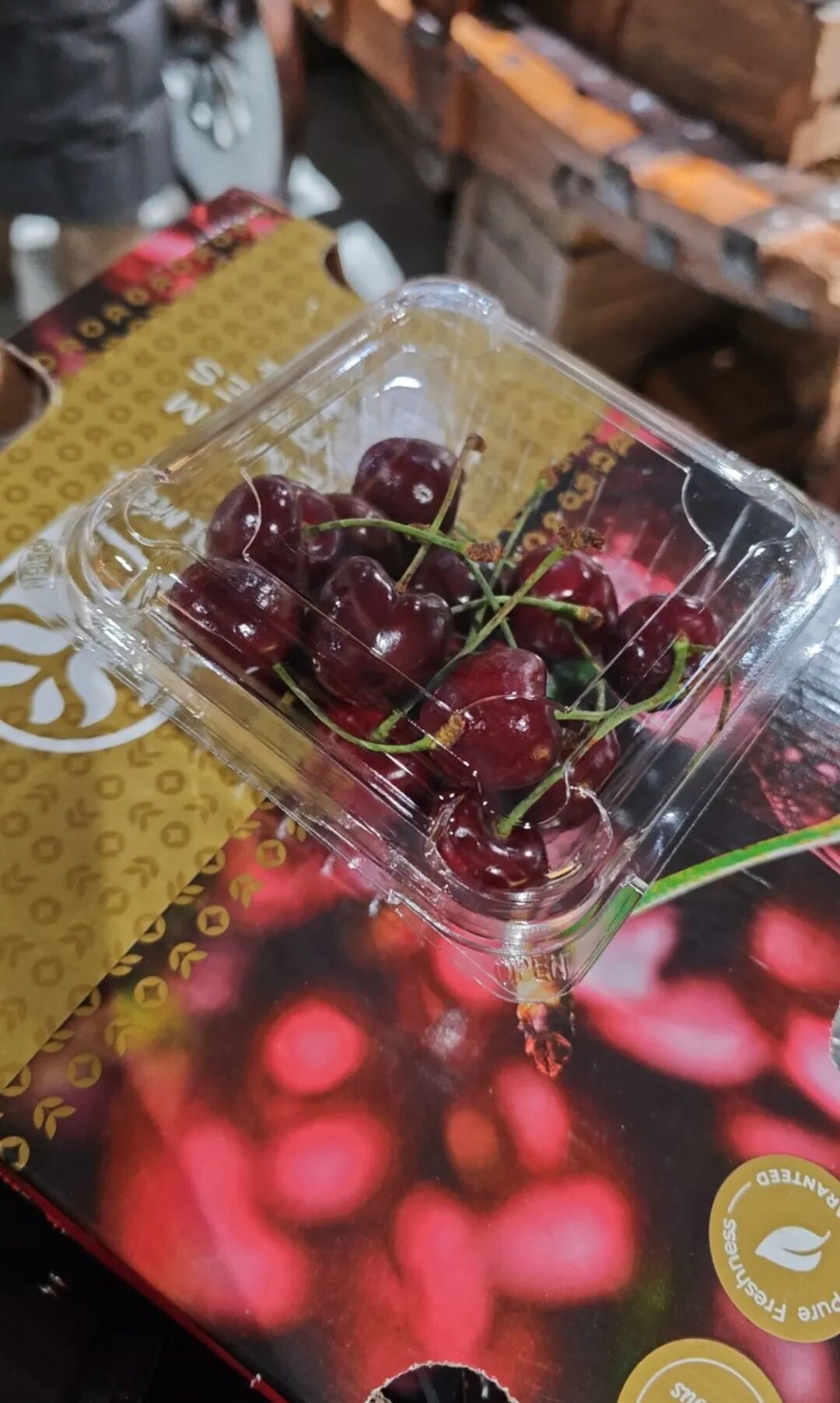
胖东来全面下架智利车厘子,工作人员:坏果太多,暂停采购!车厘子价格跳水,口感也“崩了”?网友:普遍发苦!专家解读
Mei Ri Jing Ji Xin Wen· 2026-02-12 16:42
Core Viewpoint - The recent surge in cherry sales during the Spring Festival has been marred by reports of poor quality cherries, leading to some supermarkets, like Pang Donglai, removing Chilean cherries from their shelves and replacing them with Australian and New Zealand varieties, which are priced higher [1][3]. Group 1: Market Response - Pang Donglai supermarket has completely removed Chilean cherries due to quality issues, with many fruits showing signs of spoilage [1]. - The current price for Australian cherries is 380 yuan for a 2 kg gift box, translating to 190 yuan per kg, which has resulted in a decrease in consumer purchases [1]. - The future procurement of cherries by Pang Donglai remains uncertain as the cherry season is nearing its end [3]. Group 2: Price Trends - The price of Chilean cherries has significantly decreased, with a reported drop of approximately 22% compared to the previous year and a 39% drop compared to two years ago, marking the lowest prices in five years for this season [3]. - In January, promotional prices for "2J grade" cherries at Hema stores fell to 99 yuan for 5 kg, down from around 180 yuan the previous month [3]. Group 3: Quality Concerns - Consumers have reported widespread issues with the quality of cherries, including bitter taste and internal spoilage, despite the cherries appearing fresh on the outside [3][6]. - The peak season for Southern Hemisphere cherries coincides with major Chinese holidays, leading to increased supply and subsequent quality issues due to storage and handling practices [6]. - Experts suggest that the early arrival of cherries this season, combined with high initial stock levels, has led to quality degradation as older stock was not sold in time [6].