软硬件深度融合

Search documents
内存价格“涨疯”背后:智能汽车被AI“卡脖子”
Feng Huang Wang· 2026-01-19 02:26
Core Insights - The automotive industry is facing a significant crisis due to rising costs and supply shortages, particularly in memory chips, which are becoming critical hardware for smart vehicles [2][4][5] - The competition for memory resources is intensifying as the automotive sector competes with AI and consumer electronics giants, impacting the speed and structure of China's automotive industry's smart transformation [1][4] Cost Pressures - The automotive industry is experiencing a crisis characterized by soaring prices and supply shortages, with memory chip prices significantly affecting manufacturing costs [2][5] - The demand for memory in high-end smart vehicles has surged, with storage requirements increasing from several GB to 64GB or even 256GB, pushing costs higher [2][4] - The global DRAM market has entered a "super bull market," with some high-end products seeing price increases of several times within a year, potentially adding thousands of yuan to the cost of each vehicle [2][3] Supply Chain Challenges - The automotive sector is at a disadvantage in the allocation of memory chip production capacity, as AI industries demand high-bandwidth memory and server-grade DDR5, leading to a structural shortage [2][4] - Predictions indicate that memory chip supply satisfaction rates may fall below 50%, posing risks of both high costs and unavailability for automakers [3][4] Competitive Landscape - The memory crisis is reshaping the competitive dynamics within the automotive industry, with larger companies better positioned to absorb costs and secure supplies compared to smaller firms [6][7] - Companies focusing on smart driving systems, which require significant memory resources, are under the most pressure, potentially leading to hidden price adjustments or conservative promotional strategies [6][7] Strategic Responses - To navigate the crisis, the automotive industry must proactively seek solutions, such as signing long-term supply agreements and accelerating the validation of domestic memory chip production [8][9] - The crisis may prompt a shift in competitive focus from hardware specifications to the optimization of software and algorithms, emphasizing the need for deeper integration of hardware and software [8][9] Long-term Implications - The memory price surge reflects a broader clash between the automotive sector and global technology trends, serving as a pressure test for companies to adapt and innovate [9] - Successful navigation of this crisis could lead to enhanced market share and a more resilient competitive stance within the complex global supply chain [9]
段学欣:在“纳米”与“云端”之间搭桥,让微纳系统长出“大脑”
Huan Qiu Wang Zi Xun· 2025-09-12 03:05
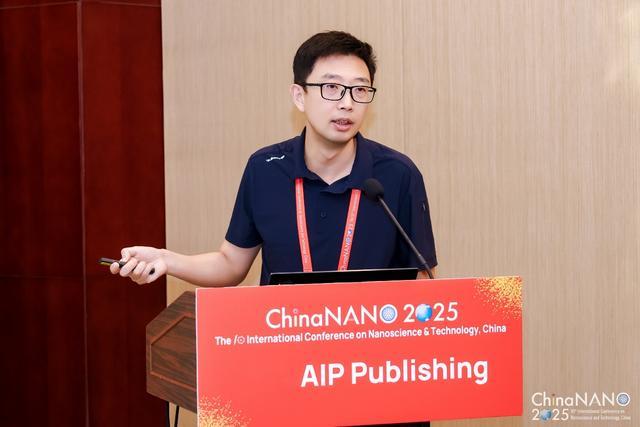
Group 1 - The core viewpoint emphasizes the importance of global collaboration in scientific research, particularly in addressing challenges like artificial intelligence and climate change [1] - The event showcased AIP Publishing's strategic vision in the fields of physics and interdisciplinary studies, highlighting the need for Chinese engineering technology to transition from the laboratory to the production line [1][3] - Professor Duan Xuexin's research focuses on applied basic research, particularly in micro-nano measurement and control technologies, and the development of sensors for various industrial applications [3][4] Group 2 - The collaboration between hardware and software is crucial for technological advancement, with China having significant advantages in system integration and software development [4][5] - There is a recognized gap between academic research and industrial application, with a need for better communication and understanding between scholars and enterprises [5][6] - The journal "Nanotechnology and Precision Engineering" aims to bridge this gap by encouraging contributions from both academia and industry [6][7] Group 3 - The journal transitioned from a Chinese publication to an international English-language platform to enhance its global influence [7] - Collaboration with AIP Publishing aims to ensure clarity in the physical principles of new technologies before advancing to industrial applications [7][8] - The editorial board is composed of younger scholars to bring fresh perspectives and vitality to the journal [8] Group 4 - The journal emphasizes the importance of interdisciplinary research while avoiding superficial collaborations, focusing instead on deep integration across disciplines [8][9] - There is a complementary relationship between large enterprises and small laboratories, with each playing a distinct role in innovation and responding to industry needs [9][10] - The journal prioritizes research that addresses practical industrial problems and has clear application prospects [10]