轻消费

Search documents
奖励陈奕迅、张学友演唱会举办方,是“劫贫济富”吗?
Xin Lang Cai Jing· 2026-02-09 11:06
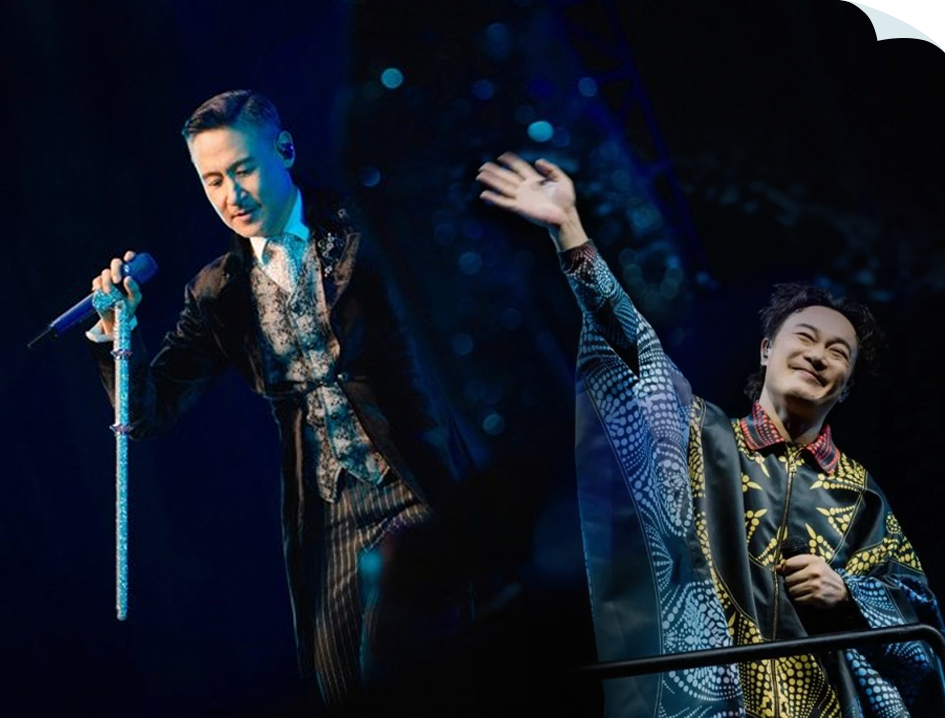
Core Viewpoint - The recent announcement by Hainan's tourism and cultural department to reward concert organizers for hosting major events has sparked public debate, with concerns about the use of public funds to support profitable commercial performances and well-known artists [2][24]. Group 1: Reward Details - The Hainan government announced rewards of 1 million yuan for Eason Chan's concert and 500,000 yuan for Jacky Cheung's concert, based on ticket sales and revenue criteria [2][19]. - Eason Chan's concert had an attendance of 38,800 and generated ticket sales of 67.48 million yuan, qualifying for the 1 million yuan reward, while Jacky Cheung's concert had 22,900 attendees and ticket sales of 43.03 million yuan, qualifying for the 500,000 yuan reward [2][19]. Group 2: Policy Background - The rewards are based on the 2025 guidelines for supporting large-scale concerts and cultural performances in Hainan, which aim to stimulate the local arts market and promote tourism [5][22]. - The guidelines specify that concerts with over 20,000 attendees and ticket sales exceeding 10 million yuan can receive up to 500,000 yuan, while those with over 30,000 attendees and 15 million yuan in sales can receive up to 1 million yuan [5][22]. Group 3: Public Reaction and Misunderstandings - Public criticism has focused on the perception that the rewards benefit wealthy artists rather than the event organizers, leading to accusations of misusing public funds [7][24]. - Critics have misinterpreted the policy, confusing the intended recipients of the rewards (the organizers) with the artists themselves, which undermines the policy's goal of encouraging investment in cultural events [10][27]. Group 4: Economic Impact - Large concerts are expected to generate significant economic benefits, with a reported multiplier effect of 1:6.85, meaning every 1 yuan in ticket sales can stimulate 6.85 yuan in related spending [10][28]. - The overall economic impact of these concerts, including job creation and increased city visibility, can reach billions, far exceeding the amount of public funds allocated for rewards [10][28]. Group 5: Changing Perspectives - There is a need to shift societal views from a focus on production to recognizing the value of consumption, as consumer spending is increasingly vital for economic growth [29][32]. - The successful organization of major concerts requires significant expertise and resources, making the financial incentives a necessary tool to attract high-quality events [31][32]. Group 6: Transparency and Accountability - It is essential for the government to maintain transparency regarding the allocation of public funds, including detailed reporting on ticket sales, audience demographics, and the economic impact of events [33]. - Establishing a robust evaluation mechanism for the effectiveness of these rewards will ensure that public funds are used efficiently and effectively [33].

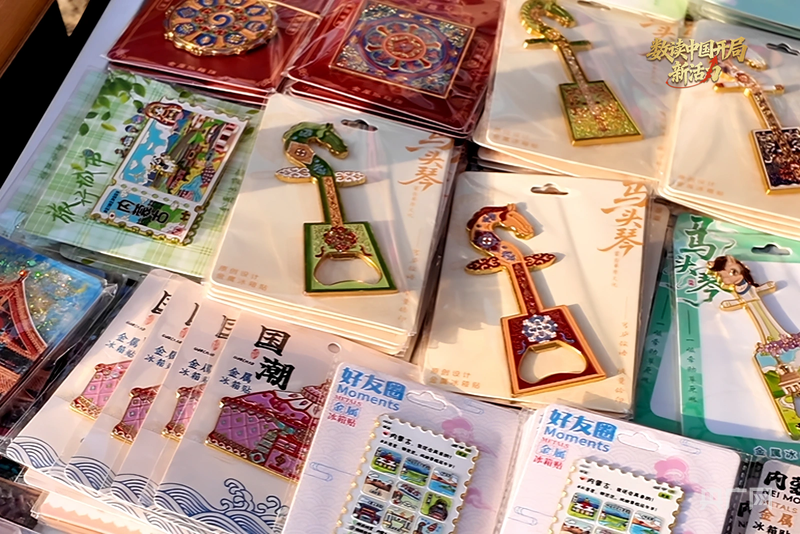
数读中国开局新活力丨171万人次、11亿元消费:开年账单里,城市消费正在发生什么变化?
Yang Guang Wang· 2026-01-12 13:02
Core Insights - The article highlights a shift in consumer spending from purchasing goods to seeking experiences, indicating a growing trend of "emotional consumption" in urban life [1][7][13] Group 1: Consumer Behavior - In Hohhot, the capital of Inner Mongolia, there was a significant increase in tourism and spending during the New Year holiday, with 1.71 million domestic tourists generating a total expenditure of 1.098 billion yuan, leading the region [1] - The average spending per local consumer is around 30 yuan, while tourists spend approximately 70-80 yuan, reflecting a focus on unique and emotionally valuable purchases [5][6] - Young consumers are increasingly drawn to experiences such as cultural photography and local specialties, with some willing to spend over 200 yuan for memorable experiences [6][8] Group 2: Night Economy - The night economy in Hohhot has seen a noticeable increase in foot traffic, with visitors frequently shopping for local products during evening hours [9] - The integration of cultural and commercial activities has enhanced the nighttime consumer experience, making it a regular occurrence for tourists to explore and shop at night [9] Group 3: Cultural and Tourism Integration - Hohhot is transitioning from a "transit point" to a "destination," with a comprehensive development plan for cultural tourism that includes 56 A-level scenic spots and two national-level night cultural tourism consumption clusters [10] - The city has successfully integrated cultural, commercial, and sports activities, promoting year-round tourism rather than seasonal [10][12] - The "3+5+N" matrix of activities during the New Year period has led to increased participation and spending, establishing Hohhot as a new choice for New Year celebrations [12] Group 4: Experience Economy - The trend of "light consumption, heavy experience" is prevalent, with consumers valuing unique and culturally significant items over expensive purchases [5][13] - The shift in consumer spending reflects a broader lifestyle change, where spending is not just about fulfilling needs but also about seeking relaxation, companionship, and engagement [13][14]