边疆教育

Search documents
李瑞芳:让边疆教育的声音被更多人听见
Xin Lang Cai Jing· 2026-02-22 05:32
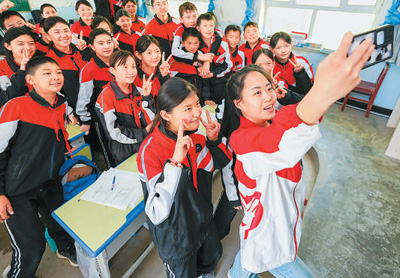
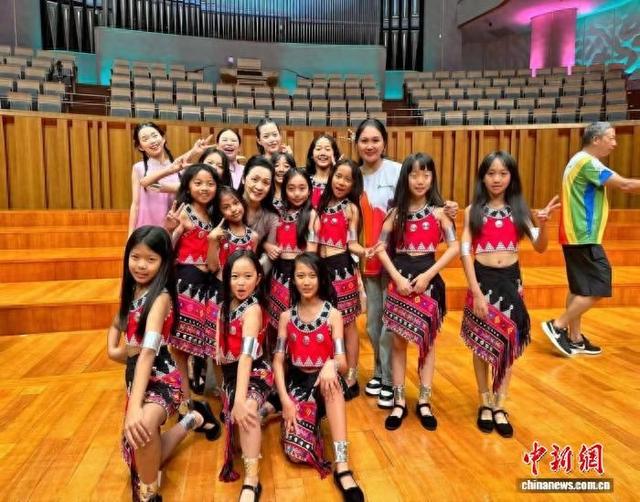
Core Viewpoint - The article highlights the significant progress in education in the border region of Yunnan, particularly in the context of the efforts made by Li Ruifang, a representative at the National People's Congress, to improve educational resources and opportunities for children in the area [1][5]. Group 1: Educational Developments - In 2004, many rural schools lacked basic facilities like complete blackboards, but now many have adopted electronic whiteboards and digital classrooms, showcasing a substantial improvement in educational infrastructure [1]. - The establishment of the "Flying Rainbow (Yunnan) Wa Children's Choir" has provided children with opportunities to perform in major cities, enhancing their exposure and confidence [2]. - The implementation of a three-year action plan for high-quality educational development in Yunnan has led to the selection of 50 model border schools for focused construction [7]. Group 2: Community Engagement and Cultural Integration - Li Ruifang emphasizes the importance of education as a means for children to connect with the outside world while fostering a love for their hometown [4]. - The introduction of various arts courses, such as paper-cutting and traditional embroidery, aims to enrich students' cultural education and personal development [4]. - Efforts to support underprivileged students, including funding for higher education, reflect a commitment to community welfare and educational equity [4]. Group 3: Advocacy and Policy Influence - Li Ruifang has actively proposed suggestions at the National People's Congress regarding the optimization of educational resources, teacher evaluations, and the mental health of grassroots educators [5]. - The response from the Ministry of Education to some of her proposals indicates a growing recognition of the challenges faced in border education [5]. - Future advocacy will focus on teacher rights, campus safety, and the enhancement of arts and sports education in border areas [7].

夯实边疆教育的发展基石
Ren Min Ri Bao· 2025-06-17 22:10
Group 1 - The core message emphasizes the importance of youth engagement in education and development in border regions, highlighting the role of volunteers in promoting local education and national unity [1][2] - The article discusses various educational initiatives in border areas, such as the "targeted classes" offered by universities and the integration of local industry needs into educational programs, which aim to enhance the quality of education [2][3] - It highlights the significance of cultural integration in education, using local heritage and stories to foster a sense of community and national identity among students [3] Group 2 - The article outlines the need for collaborative efforts in education across regions to break down barriers related to geography, resources, and mechanisms, advocating for a more integrated approach to educational development [2] - It mentions specific programs aimed at improving educational outcomes in border areas, such as the training of agricultural technicians and the use of digital technology to connect remote classrooms with quality resources [2] - The focus on enhancing infrastructure and social welfare in border regions is presented as a means to improve the overall quality of life and educational access for local communities [3]
青春力量点亮边疆教育“烛火”
Ren Min Ri Bao Hai Wai Ban· 2025-05-22 01:11
Group 1 - The core message emphasizes the importance of youth volunteers in promoting education and social development in border regions, highlighting their role in fostering national unity and local economic growth [1][2] - The "Western Plan" has seen over 120,000 young volunteers contribute to education in remote areas, transforming from short-term support to long-term teaching commitments, thus creating a sustainable educational ecosystem [1][2] - The establishment of a strong, dedicated teaching workforce is crucial for the development of education in border regions, with ongoing efforts to attract and retain talented young educators [2][3] Group 2 - Strategies to attract young talent include expanding teacher recruitment, improving compensation, and enhancing support mechanisms to make teaching positions more appealing [2][3] - There is a focus on nurturing and retaining teachers in remote areas through targeted training programs and support systems, ensuring they feel valued and motivated in their roles [2][3] - The initiative aims to place capable young teachers in challenging environments, fostering their professional growth and encouraging their active participation in educational development [3]