追热点

Search documents
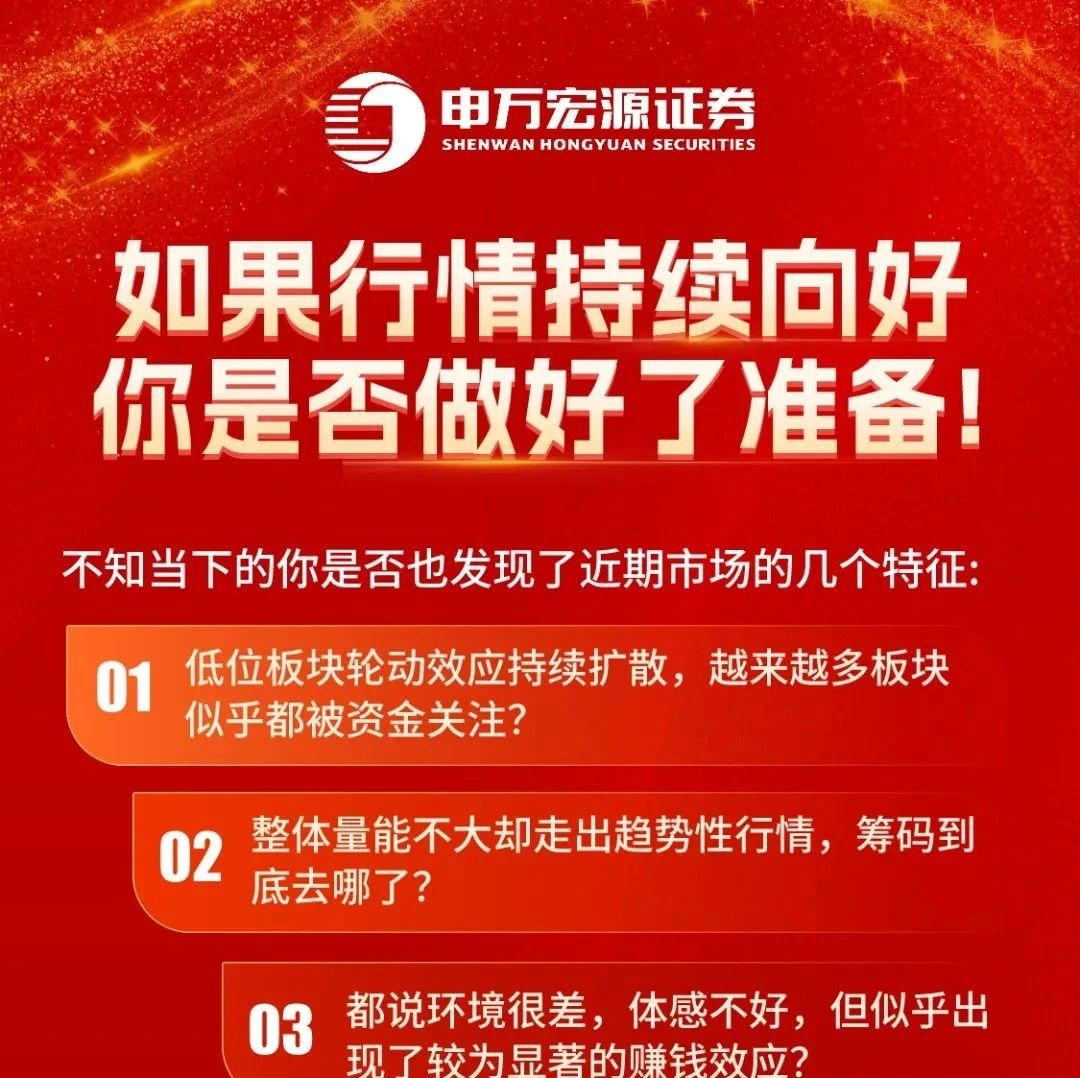
YiwealthSMI|年末市场震荡,专业陪伴内容更受青睐
Di Yi Cai Jing· 2026-02-02 05:12
Group 1: Banking Social Media Index - The overall change in the December Banking Social Media Index (SMI) is minimal, with only Ganzhou Bank and Zhengzhou Bank dropping out of the top rankings, while Changsha Bank and Tailong Bank entered the list, indicating instability in the operational quality of small and medium-sized city commercial banks [1] Group 2: Content Trends on Douyin - In December, the focus of user engagement shifted significantly, with professional content and abstract creativity becoming the core direction of content creation, as seen in the high engagement of the "Little Friend Says" series by China Merchants Bank, which averaged around 20,000 likes per episode [2] - The "abstract creativity" content also gained traction, with banks like Guangfa Bank and Ping An Bank using humorous and relatable themes to connect with users, enhancing brand relatability [2] Group 3: Leveraging Current Events - Postal Savings Bank capitalized on the popularity of Harbin's ice tourism by setting up a service point at the Harbin Ice World, which received over 10,000 likes on related videos, showcasing the effectiveness of combining online promotion with offline services [3] Group 4: High-Engagement Content on WeChat - The top-performing WeChat articles in December included topics such as credit repair policies and wealth cognition, with the highest read article from China Construction Bank reaching over 100,000 views [16] - Other notable articles included wealth management insights from Postal Savings Bank and commemorative coin reservations from China Bank, indicating a strong interest in financial literacy and investment opportunities among users [17]



如果行情持续向好,你是否做好了准备!
申万宏源证券上海北京西路营业部· 2025-08-13 03:12
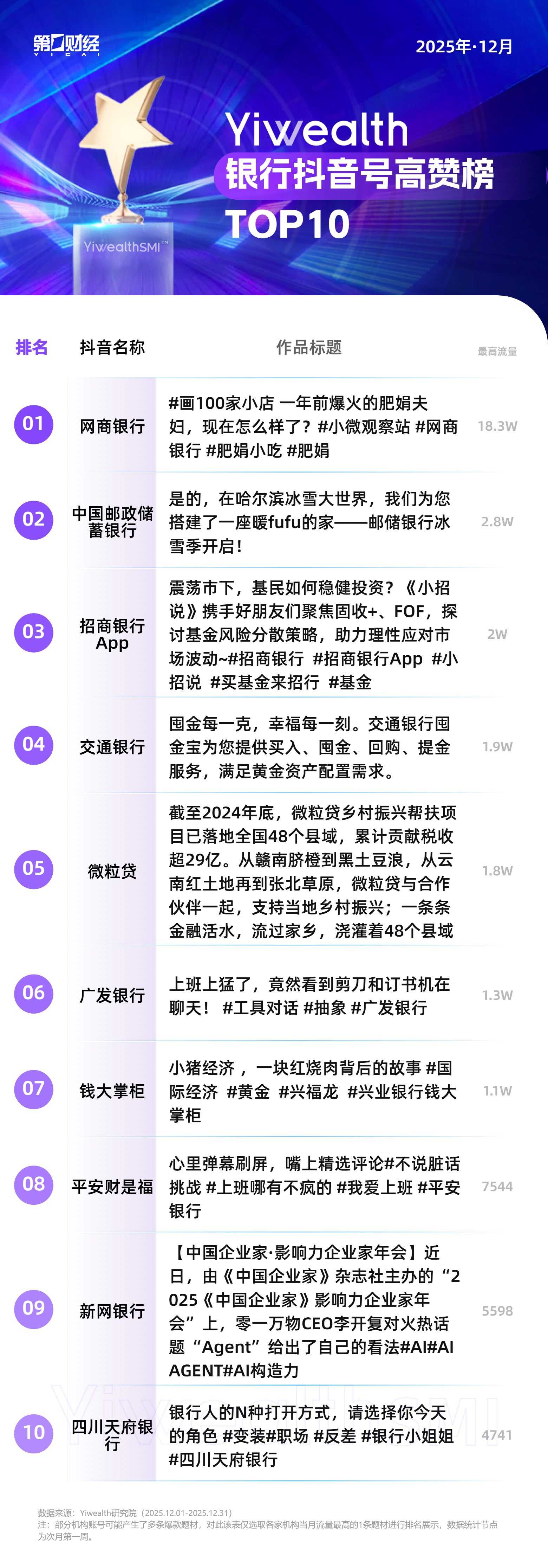
Core Viewpoint - The article discusses the current market characteristics, highlighting the rotation of low-position sectors, the apparent trend despite low overall volume, and the potential risk of missing out on opportunities due to market emotions [1][3]. Group 1: Market Characteristics - There is a continuous rotation effect among low-position sectors, attracting more capital attention [1]. - Despite a challenging environment, there is a notable profit-making effect, suggesting that the main risk may stem from missing out on opportunities [1]. - Investors are caught in a cycle of chasing hot stocks, getting trapped, cutting losses, and then chasing new trends, which can lead to repeated mistakes [3]. Group 2: Investment Strategies - Investors are advised to prioritize companies with strong fundamentals, good performance, and high industry sentiment, avoiding speculative stocks without earnings support [8]. - Patience is emphasized, encouraging investors to believe in trends and use pullbacks as opportunities to enter or increase positions in favored stocks [8]. - Strict execution of profit-taking and stop-loss strategies is crucial for preserving profits and controlling risks [8]. - Dynamic management of positions is recommended, gradually reducing overall exposure as market risks increase and maintaining cash reserves [8]. - Continuous learning and adaptation of strategies are essential as market conditions evolve [8]. Group 3: Expert Insights - Investment strategies should focus on structural opportunities in the current market environment, with an emphasis on quality stocks and policy-driven themes [12]. - A balanced approach is suggested, maintaining a core position in broad indices while tracking high-potential stocks [12]. - Investors should adhere to strict risk control measures, such as limiting individual stock losses to 10% and not exceeding 25% of total capital in a single stock [12]. - The importance of a disciplined trading system is highlighted, ensuring that actions align with established rules and market signals [12]. Group 4: Psychological Aspects - Investors are encouraged to avoid being swayed by market emotions and to stick to their investment systems and discipline [8]. - The article suggests that a long-term value investment approach, focusing on holding quality stocks, is more beneficial than frequent trading based on short-term market fluctuations [15]. - Maintaining a calm mindset and focusing on familiar sectors can help investors avoid the pitfalls of emotional trading [15].