
退一赔三

Search documents
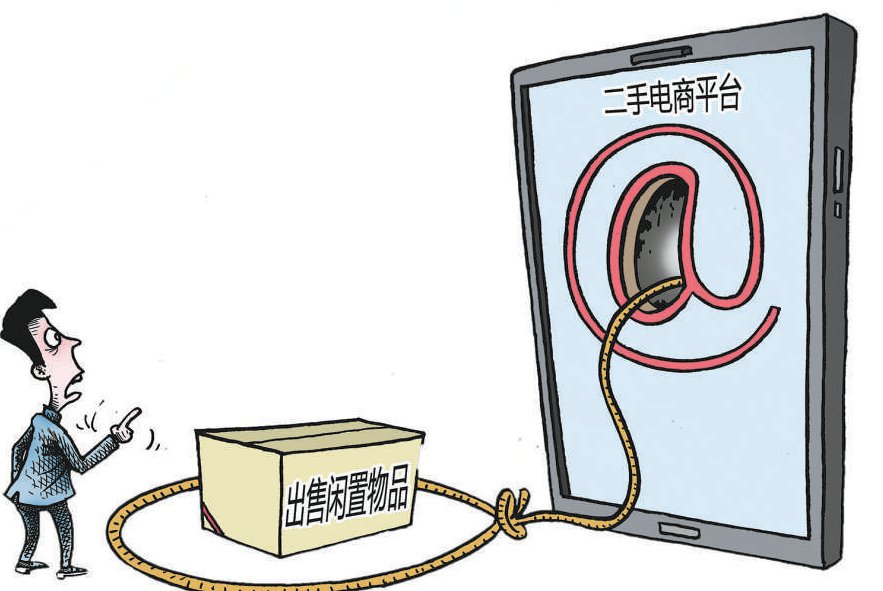
二手交易藏套路 弄不明白恐“踩坑”
Xin Lang Cai Jing· 2026-02-24 22:23
Core Viewpoint - The second-hand market is rapidly growing, presenting both opportunities for consumers to find valuable items and risks of encountering counterfeit products due to information asymmetry between buyers and sellers [1] Group 1: Legal Framework and Consumer Rights - Consumers can claim "refund and triple compensation" if the seller is identified as a business operator and fraudulent behavior is proven, not merely because the transaction occurs on a second-hand platform [4][5] - The court ruled in favor of a consumer who purchased counterfeit shoes, recognizing the seller's actions as fraud and supporting the consumer's claim for compensation under consumer protection laws [3][5] - The determination of whether a seller is a business operator depends on various factors, including the nature and frequency of sales, and not all sellers on second-hand platforms are considered business operators [6] Group 2: Consumer Protection Strategies - Consumers should assess seller credibility by reviewing their credit ratings, real-name authentication, historical feedback, and sales records to mitigate risks of purchasing counterfeit goods [7] - In cases where consumers are aware of product defects before purchase, they may not be entitled to refunds, as demonstrated in a case involving a vintage necklace where the buyer was informed of existing flaws [8][9] - Sellers are obligated to transparently disclose product defects, especially in live-streaming sales, to prevent misunderstandings and ensure informed purchasing decisions [10][11] Group 3: Marketing and Compensation Promises - High compensation promises like "triple the price for counterfeit goods" can be legally binding if they exceed statutory compensation standards, as seen in a case where a seller was ordered to fulfill such a promise [13][14][15] - Consumers should be cautious of exaggerated marketing claims and ensure they retain evidence of transactions, such as promotional materials and communication records, to support their rights in case of disputes [16] - Both sellers and consumers must adhere to legal regulations to foster sustainable development in the second-hand market, emphasizing the importance of integrity and transparency in transactions [17]

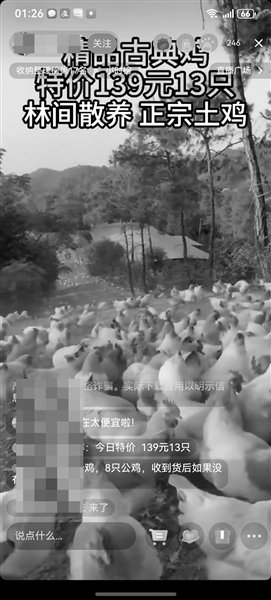
下单后到货却是一群小鸡仔
Xin Lang Cai Jing· 2026-01-06 17:29
Core Viewpoint - The incident highlights a case of consumer fraud in live-stream shopping, where a customer received chicks instead of the promised adult chickens, raising concerns about misleading advertising practices in the industry [2][3][5]. Group 1: Consumer Experience - A consumer ordered 15 live chickens for 149 yuan, but received 15 chicks instead, which were not suitable for consumption [2][3]. - The consumer was initially misled by the live-stream presentation, which showcased large chickens and claimed a direct sale from the manufacturer [2][3]. - After receiving the chicks, the consumer faced difficulties in returning them due to the seller's policy against returns for live animals, leading to a complaint and eventual refund from the platform [3][4]. Group 2: Industry Practices - Numerous similar live-stream sales were found on the platform, with many sellers using enticing pricing and vague descriptions to attract consumers [4]. - The promotional language used by various sellers was consistent, emphasizing low prices and large quantities without clear specifications on the actual product [4]. - Consumer comments indicated widespread experiences of being misled, with many reporting receiving chicks instead of adult chickens as advertised [4]. Group 3: Legal Implications - Legal experts stated that the seller's actions constituted fraud, warranting punitive compensation under consumer protection laws [5]. - The platform is also held accountable for failing to adequately verify the sellers and their promotional claims, indicating a lack of oversight in the live-stream shopping sector [5]. - Consumers are advised to document evidence of misleading advertisements and to assert their rights under consumer protection laws when faced with similar situations [6].
事关鹿晗演唱会! 法学专家解读:大麦网不能擅自单方解除合同,应担责!
Xin Lang Ke Ji· 2025-07-01 01:46
Core Points - The incident involving Damai.net's ticket sales for Lu Han's concert has sparked significant consumer dissatisfaction due to a scheduling error that led to the cancellation of ticket purchases [1] - Consumers who successfully purchased tickets received confirmation but later had their orders revoked, leading to claims of breach of contract against Damai.net [1] - The legal interpretation suggests that once a consumer successfully places an order and makes payment, a contract is established, and unilateral cancellation by the seller constitutes a breach [2] Group 1 - Damai.net's error in ticket sales for Lu Han's concert resulted in a public apology and a refund policy that included a 3% discount coupon for affected consumers [1] - Many consumers expressed their grievances on complaint platforms, highlighting the financial implications of the cancellation, including non-refundable travel expenses [1] - Legal expert Chen Yinjian clarified that if the error was unintentional, it may not qualify as fraud, which is necessary for consumers to claim triple compensation [2] Group 2 - According to the E-commerce Law, once a consumer submits an order and payment is made, the contract is binding, and the seller cannot unilaterally cancel it [2] - If the seller cannot fulfill the contract, they are obligated to refund and compensate for any losses incurred by the consumer, such as travel arrangements [2] - The conditions for claiming triple compensation require evidence of intentional fraud, which may not apply in this case as the error was attributed to staff mismanagement [2]