采购来源多元化

Search documents
阿根廷媒体:中国白酒给阿根廷高粱带来新机遇
Huan Qiu Wang· 2026-02-04 23:57
Core Insights - Argentina's sorghum prices have increased significantly due to high demand from China, which has become the largest buyer of Argentine sorghum, surpassing the United States in exports [1][2] - Sorghum is a key ingredient in the production of Chinese liquor, and its role has expanded beyond animal feed to become a staple in various diets globally [1] - The concentration of global sorghum production is primarily in ten countries, with the United States leading, while Argentina ranks ninth [1] Group 1 - As of mid-November last year, Argentine sorghum prices fell to 220,000 pesos per ton (approximately 1,056 RMB per ton) before starting to rise due to increased Chinese purchases [1] - In the last production season, Argentina exported 1.4 million tons of sorghum to China, exceeding the 1.03 million tons exported to China from the United States [1] - China has become the world's largest importer of sorghum, relying mainly on imports from Argentina, the United States, and Australia [1] Group 2 - From the 2014/2015 to 2017/2018 production seasons, the United States was the largest supplier of sorghum to China, but trade tensions and avian influenza led to a significant decline in exports from the U.S. [2] - As a result of diversifying procurement sources, Argentina and Australia have increased their market share in sorghum exports to China [2] - There are expectations for China to continue large-scale sorghum purchases in the coming years, presenting new opportunities for Argentina [2]
日本盯上海底稀土,超70%依赖中国进口
中国能源报· 2026-01-12 12:51
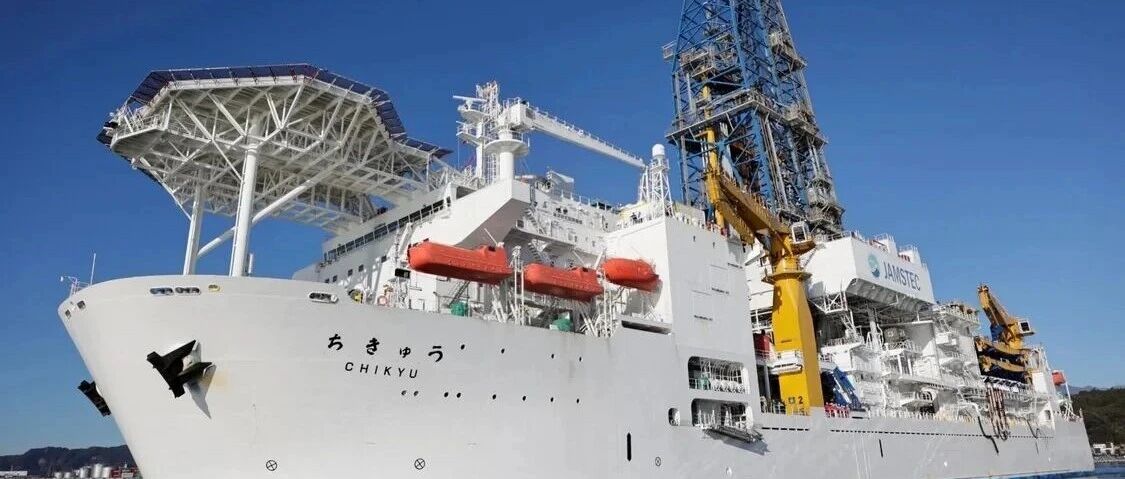
Core Viewpoint - Japan is conducting deep-sea drilling tests in the Minami-Tori-shima area to explore seabed mud containing rare earth elements, aiming to reduce reliance on Chinese imports amid rising geopolitical tensions [3]. Group 1: Project Overview - The Japanese deep-sea drilling vessel "Chikyū" departed from Shimizu Port in Shizuoka on January 12, heading towards the Minami-Tori-shima area, approximately 2000 kilometers from Tokyo [3]. - The vessel is expected to take about one week to reach the drilling site, followed by approximately 20 days of deep-sea mud sampling experiments [3]. - The project aims to extract mud samples from a seabed depth of around 6000 meters to assess the feasibility of actual mining [3]. Group 2: Rare Earth Dependency and Strategic Shift - Japan currently relies on China for over 70% of its rare earth imports, highlighting a significant dependency [3]. - In response to recent geopolitical tensions, particularly after China announced a ban on exports of dual-use items to Japan, there is an increased focus within Japan on developing its own rare earth capabilities [3]. - The project leader, Masakazu Ishii, indicated that diversifying rare earth procurement sources and reducing over-reliance on specific countries is a priority, with domestic production being a key strategy [3]. - If the experiments are successful, Japan aims to initiate commercial mining by February 2027 [3].