稀土国产化

Search documents
盯上6000米深海稀土!日本派船探查 距中国加强两用物项出口管制不到一周!高市早苗已决定提前大选
Mei Ri Jing Ji Xin Wen· 2026-01-13 07:26
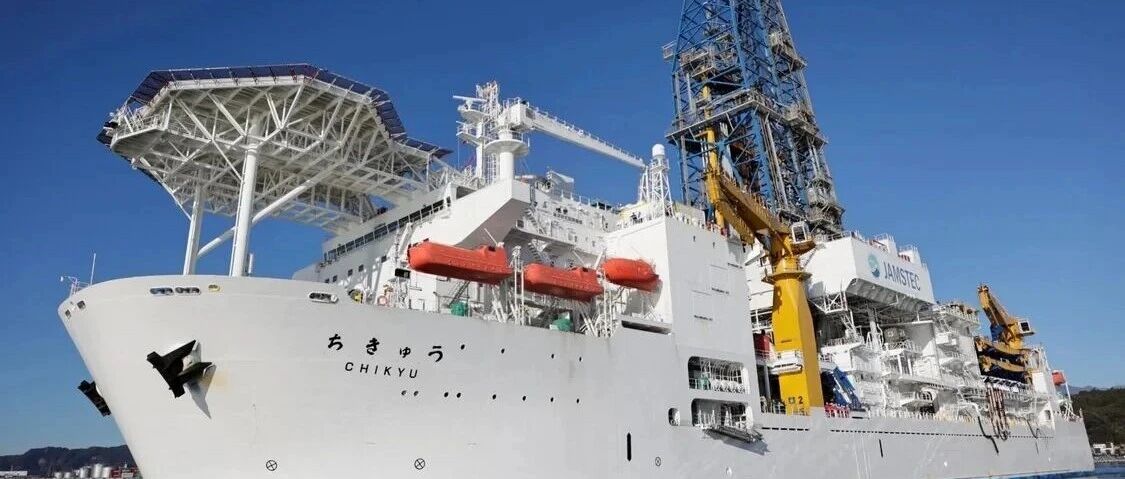
Group 1: Political Developments in Japan - Japanese Prime Minister Sanna Takashi has decided to dissolve the House of Representatives on January 23 and hold early elections, with an official announcement expected soon [1][25] - Takashi's cabinet support rate remains high, prompting calls within the ruling Liberal Democratic Party (LDP) for an early dissolution of the House [1] - Critics within the LDP and opposition parties argue that Takashi is prioritizing party interests over national concerns, particularly regarding the timing of the budget [1][28] Group 2: Rare Earth Mining Initiatives - Japan has officially launched the world's first deep-sea rare earth mining trial at a depth of 6000 meters near Minami-Torishima, with the aim of extracting rare earth materials from seabed mud [3][5] - The trial, conducted by the deep-sea drilling vessel "Chikyū," is expected to last about 20 days, targeting an average daily extraction of 350 tons of rare earth mud [5][9] - The project aims to diversify Japan's rare earth supply sources and reduce dependence on specific countries, with potential commercial mining set to begin in February 2027 if the trial is successful [9][19] Group 3: Economic Implications of Rare Earth Dependency - Japan currently relies on China for over 70% of its rare earth imports, with heavy rare earths being nearly 100% dependent on Chinese sources [19][23] - Economic analysts estimate that if China were to impose a complete ban on rare earth exports to Japan, the economic loss could reach approximately 2.6 trillion yen if the ban lasts for a year [23][19] - The Japanese government is exploring domestic rare earth production to enhance its strategic position and reduce reliance on imports [9][19]

盯上6000米深海稀土!日本派船探查,距中国加强两用物项出口管制不到一周
Mei Ri Jing Ji Xin Wen· 2026-01-13 07:23
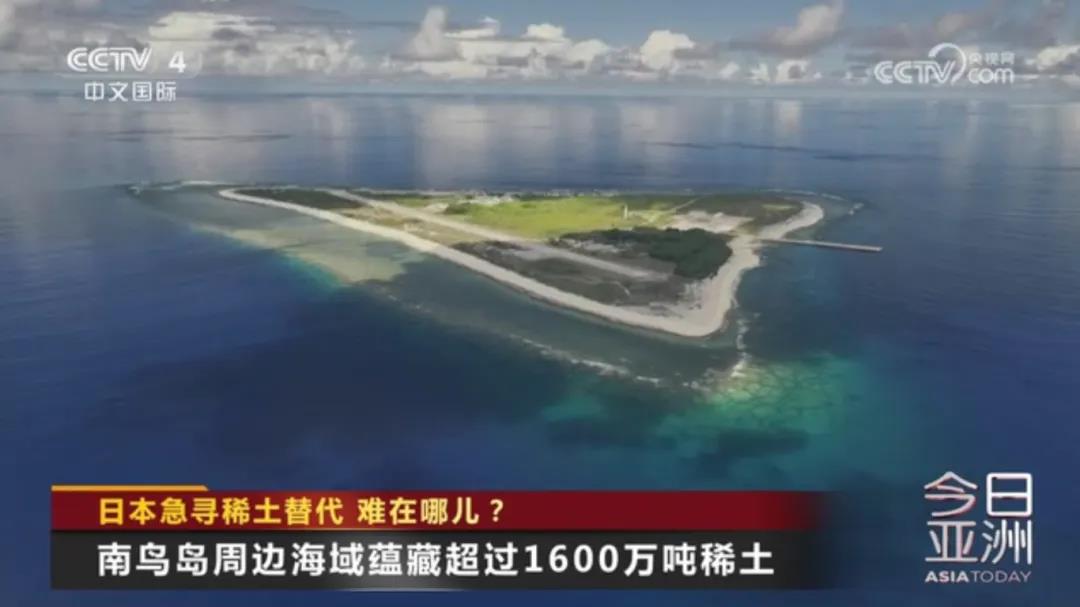
Group 1: Political Developments in Japan - Japanese Prime Minister Sanna Takashi has decided to dissolve the House of Representatives on January 23 and hold early elections, with an official announcement expected soon [1][27] - Takashi's cabinet approval ratings remain high, prompting calls within the ruling Liberal Democratic Party (LDP) for an early dissolution of the House [1] - Critics within the LDP and opposition parties argue that Takashi is prioritizing party interests over national concerns, particularly regarding the impact on the 2026 budget [1][30] Group 2: Rare Earth Exploration and Extraction - Japan has initiated the world's first deep-sea rare earth trial mining at a depth of 6000 meters near Minami-Torishima, with the aim of extracting approximately 350 tons of rare earth mud daily [3][5] - The area surrounding Minami-Torishima is estimated to contain over 16 million tons of rare earth elements, which could significantly reduce Japan's reliance on imports [7][9] - The project aims to diversify Japan's rare earth supply sources and enhance its strategic position in the global market, with commercial mining expected to start by February 2027 if trials are successful [9][19] Group 3: Challenges in Rare Earth Mining - The feasibility of deep-sea rare earth mining is questioned due to high technical difficulties and costs, with deep-sea extraction being over ten times more expensive than land-based mining [11][14] - Environmental concerns are significant, as the extraction process may produce hazardous chemical and radioactive waste, necessitating careful management [14] - Nissan is collaborating with Waseda University to develop technology for recovering rare earth elements from scrapped electric vehicle motors, aiming for practical application around 2030 [15][17] Group 4: Economic Implications of Rare Earth Dependency - Japan currently relies on China for over 70% of its rare earth imports, with heavy rare earths being nearly 100% dependent on Chinese supply [19][23] - Potential export controls from China could lead to significant economic losses for Japan, estimated at 2.6 trillion yen if restrictions last for a year [23][25]
盯上6000米深海稀土!日本派船探查,距中国加强两用物项出口管制不到一周!高市早苗已决定提前大选
Mei Ri Jing Ji Xin Wen· 2026-01-13 07:03
Group 1: Political Developments in Japan - Japanese Prime Minister Fumio Kishida has decided to dissolve the House of Representatives and hold early elections on January 23, with an official announcement expected soon [1][29] - Kishida's cabinet approval ratings remain high, prompting calls within the ruling Liberal Democratic Party (LDP) for an early dissolution of the House [1][29] - Critics within the LDP and opposition parties argue that Kishida is prioritizing party interests over national concerns, particularly regarding the timing of the budget [1][31] Group 2: Rare Earth Exploration and Extraction - Japan has initiated the world's first deep-sea rare earth trial extraction at a depth of 6000 meters near Minami-Torishima, with an estimated 16 million tons of rare earth resources in the surrounding waters [3][7] - The trial, conducted by the deep-sea drilling vessel "Chikyu," aims to assess the feasibility of extracting rare earth mud, with a target of daily extraction of 350 tons [5][9] - If successful, commercial mining could begin by February 2027, potentially allowing Japan to diversify its rare earth supply sources and reduce dependence on specific countries [9][21] Group 3: Challenges in Rare Earth Extraction - The feasibility of deep-sea rare earth extraction is questioned due to significant technical challenges, including high costs and environmental risks [11][14] - The extraction process is expected to be ten times more expensive than land-based rare earth mining, with commercial viability projected to take over a decade [11][14] - Japanese automaker Nissan is collaborating with Waseda University to develop technology for recycling rare earth elements from scrapped electric vehicle motors, aiming for practical application around 2030 [15][19] Group 4: Economic Implications of Rare Earth Dependency - Japan currently relies on China for over 70% of its rare earth imports, with heavy rare earths being nearly 100% dependent on Chinese sources [21][25] - Recent export controls imposed by China on dual-use items could lead to significant economic losses for Japan, estimated at 2.6 trillion yen if the restrictions persist for a year [20][25] - The potential for Japan to produce its own rare earths could enhance its strategic position and bargaining power in international markets [9][25]
日本挖深海泥希望实现稀土国产化
Xin Lang Cai Jing· 2026-01-13 00:13
Core Viewpoint - Japan is heavily reliant on China for rare earth imports, with over 70% of its supply coming from China, prompting efforts to develop domestic sources of rare earths through deep-sea exploration [1] Group 1: Deep-Sea Exploration - The Japanese deep-sea drilling vessel "Chikyu" departed from Shimizu Port in Shizuoka City to conduct drilling experiments for rare earth-containing seabed mud near Minami-Torishima, approximately 2000 kilometers from Tokyo [1] - The drilling experiment is expected to take about 20 days, with the vessel aiming to retrieve mud samples from a depth of approximately 6000 meters [1] - Japan discovered high concentrations of rare earth mud layers near Minami-Torishima in 2012, which has led to renewed interest in domestic rare earth production [1] Group 2: Strategic Implications - The recent announcement by China to ban exports of dual-use items to Japan has heightened concerns within Japan regarding its dependence on foreign sources for rare earths [1] - The project leader, Masakazu Ishii, indicated that Japan is considering diversifying its rare earth procurement sources to reduce over-reliance on specific countries, with a focus on achieving domestic production [1] - If the deep-sea drilling experiment is successful, Japan aims to initiate commercial mining by February 2027 [1]
日本盯上海底稀土,超70%依赖中国进口
中国能源报· 2026-01-12 12:51
Core Viewpoint - Japan is conducting deep-sea drilling tests in the Minami-Tori-shima area to explore seabed mud containing rare earth elements, aiming to reduce reliance on Chinese imports amid rising geopolitical tensions [3]. Group 1: Project Overview - The Japanese deep-sea drilling vessel "Chikyū" departed from Shimizu Port in Shizuoka on January 12, heading towards the Minami-Tori-shima area, approximately 2000 kilometers from Tokyo [3]. - The vessel is expected to take about one week to reach the drilling site, followed by approximately 20 days of deep-sea mud sampling experiments [3]. - The project aims to extract mud samples from a seabed depth of around 6000 meters to assess the feasibility of actual mining [3]. Group 2: Rare Earth Dependency and Strategic Shift - Japan currently relies on China for over 70% of its rare earth imports, highlighting a significant dependency [3]. - In response to recent geopolitical tensions, particularly after China announced a ban on exports of dual-use items to Japan, there is an increased focus within Japan on developing its own rare earth capabilities [3]. - The project leader, Masakazu Ishii, indicated that diversifying rare earth procurement sources and reducing over-reliance on specific countries is a priority, with domestic production being a key strategy [3]. - If the experiments are successful, Japan aims to initiate commercial mining by February 2027 [3].
15年了,美国的稀土国产化,为什么搞不定?
Sou Hu Cai Jing· 2025-07-06 16:58
Group 1 - The article highlights the long-standing dependence of the United States on China for rare earth elements, despite recognizing the risks associated with this reliance over 15 years ago [1][3]. - U.S. efforts to reduce this dependence began in earnest with the trade war initiated by Trump in 2018, focusing on securing the rare earth supply chain [8]. - The U.S. has invested heavily in domestic rare earth production, particularly through companies like MP Materials, but these efforts have not yielded the desired results in terms of refining and processing technology [10][12]. Group 2 - The U.S. government has attempted to collaborate with foreign companies, such as Lynas from Australia, to establish rare earth processing facilities in the U.S., but progress has been slow and often stalled [12]. - Despite significant investments, including over $400 million from the Department of Defense, the U.S. has struggled to achieve effective outcomes in its rare earth initiatives [12][14]. - The technological gap in rare earth processing remains a critical issue, with U.S. capabilities lagging behind China's in terms of purity levels, which are essential for high-tech applications [14][16]. Group 3 - The development of the rare earth industry in China has been a result of decades of investment and strategic planning, leading to a market share exceeding 90%, contrasting sharply with the U.S.'s inconsistent policy approach [16]. - The article suggests that U.S. companies may prefer short-term financial gains over long-term investments in rare earth research and development, complicating efforts to build a sustainable domestic industry [16].