野兽派

Search documents
法国蓬皮杜中心馆藏巡展来京,毕加索、马蒂斯等艺术大师教科书级原作亮相
Xin Lang Cai Jing· 2025-12-21 13:34
Core Insights - The Pompidou Center in France is entering a five-year closure for renovations, during which its art collection will embark on an international tour [1] - The exhibition titled "The Pinnacle of Color! Masterpieces from the Pompidou Center" will open in Beijing on January 24, 2026, featuring original works from nearly 60 masters of the 20th century, including Picasso, Matisse, and Giacometti [1] Exhibition Details - The exhibition is a collaboration between the Beijing Minsheng Modern Art Museum, the Pompidou Center, and the Grimaldi Forum in Monaco [1] - The theme of the exhibition is "Color," showcasing over 90 significant works from the Pompidou Center's collection and contemporary Chinese artists, highlighting the modern history of color and the dialogue between Chinese and Western art [1] - The exhibition will cover key art movements such as Fauvism, Cubism, Surrealism, Abstract Art, New Realism, Pop Art, Minimalism, and Conceptual Art [1] - Specially designed spaces will feature a color wheel with seven monochromatic areas: red, yellow, blue, white, green, pink, and black, each creating a unique atmosphere and thematic exploration [1]
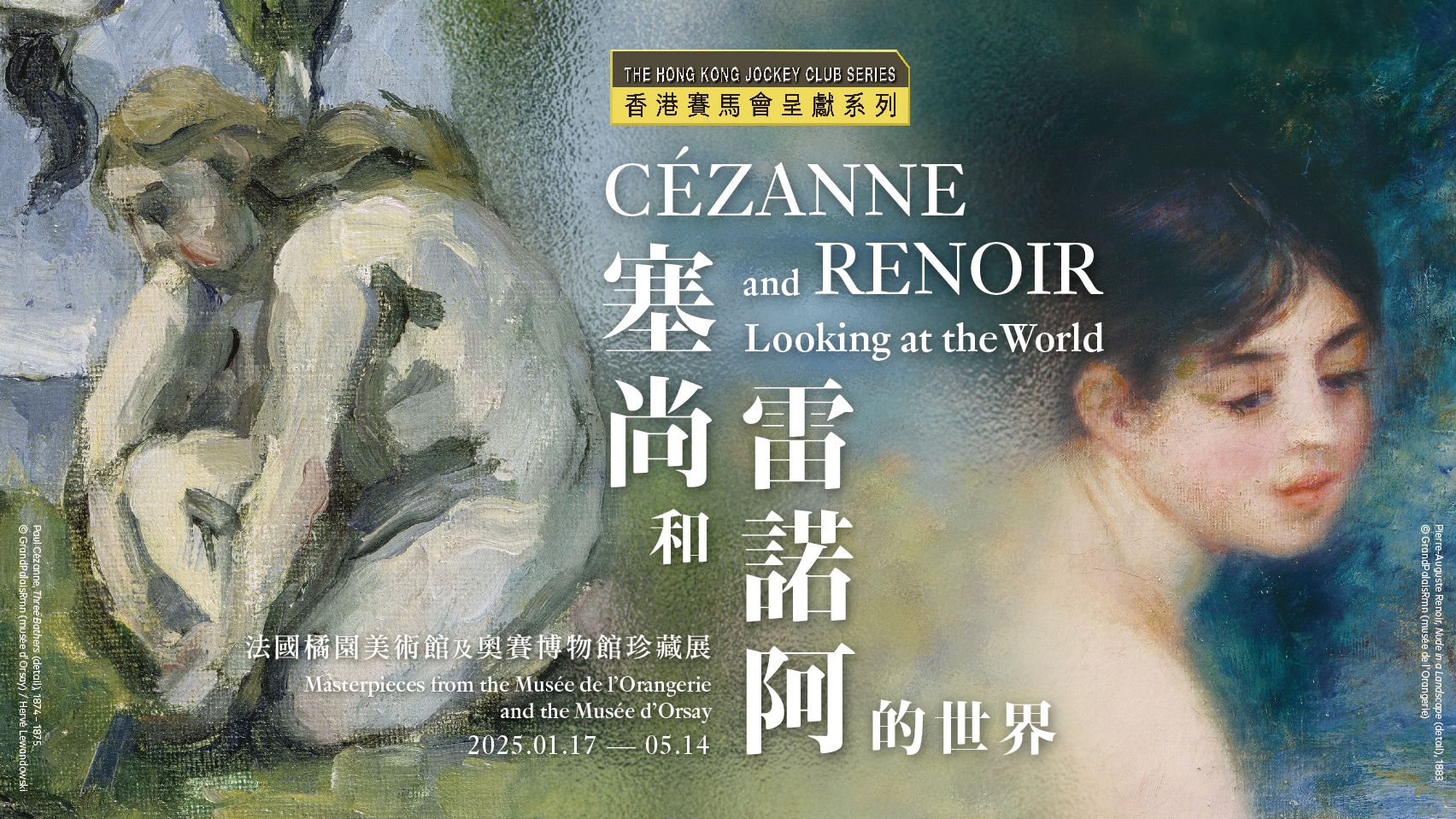
光与影的革命:塞尚与雷诺阿对现代艺术语言的开创
Hua Er Jie Jian Wen· 2025-04-27 04:29
Core Insights - The article discusses the transformative impact of Paul Cézanne and Pierre-Auguste Renoir on modern art, highlighting their unique contributions to the Impressionist movement and their influence on subsequent art movements like Cubism and Fauvism [1][12]. Historical Context: Breakthrough of Tradition and Call for Modernity - European painting since the Renaissance emphasized imitation of nature, focusing on perspective, chiaroscuro, and detailed realism, which eventually became formulaic and lifeless [3]. - The invention of photography in the mid-19th century diminished the significance of pure representation, prompting artists to explore what painting should express and how [3]. Cézanne: The Foundation of Structure, Order, and Modern Vision - Cézanne's artistic journey was characterized by a continuous inquiry into the essence of painting, distancing himself from the Impressionist focus on light [4]. - His painting language revolved around constructing forms through color, using large color blocks to define shapes and spatial depth, as seen in his series "Mont Sainte-Victoire" [5][6]. Revolution of Color and Structure - Cézanne's approach to light and shadow broke traditional chiaroscuro techniques, allowing for greater abstraction and construction in painting [5]. - His famous quote, "All forms can be represented by the cylinder, the sphere, and the cone," reflects his deep understanding of structure, laying the groundwork for later developments in Cubism [5][7]. Impact on Modern Art - Cézanne's explorations shifted painting from mere representation to analysis and construction, emphasizing form, structure, and subjective expression [7][12]. - His innovations in light and shadow liberated painting from the constraints of realism, making it a vessel for modern spirit and perception [7]. Renoir: A Celebration of Life in Light and Shadow - In contrast to Cézanne's rational approach, Renoir's work is characterized by lyrical, warm, and humanistic depictions of life, capturing the vibrancy of moments [8][9]. - His vibrant use of color and fluid brushwork created scenes filled with sunlight and movement, as exemplified in "Dance at Le Moulin de la Galette" [9]. Capturing Moments of Light and Color - Renoir's emphasis on "colored shadows" transformed shadows into lively spaces filled with hues, influencing later artists in their use of color and light [9][10]. - His delicate portrayal of figures radiated happiness and vitality, embodying the optimistic spirit of late 19th-century French society [10]. Inspiration for Modern Art - Renoir's techniques in capturing light and shadow inspired numerous artists, allowing for a departure from traditional forms and narratives towards expressing feelings and attitudes through color and brushwork [11][12]. - His work opened up vast exploration opportunities for 20th-century modern art, emphasizing emotional expression over strict representation [11]. The Revolution of Light and Shadow: A Rebirth of Artistic Language - The revolutionary interpretations of light and shadow by Cézanne and Renoir fundamentally altered the essence of artistic language, making them core elements in constructing images and expressing emotions [12][13]. - Their contributions shifted painting from external reality representation to subjective perception and internal structure expression, paving the way for modern art's infinite possibilities [13][14]. Continuation and Development in Later Art - Cézanne's structural analysis gave rise to modern movements like Cubism and Abstract Art, while Renoir's sensitivity to color inspired Fauvism and Expressionism [14]. - Their pioneering efforts in artistic language allowed 20th-century artists to explore personal, social, and cosmic relationships beyond mere representation [14].