金融秩序更替

Search documents
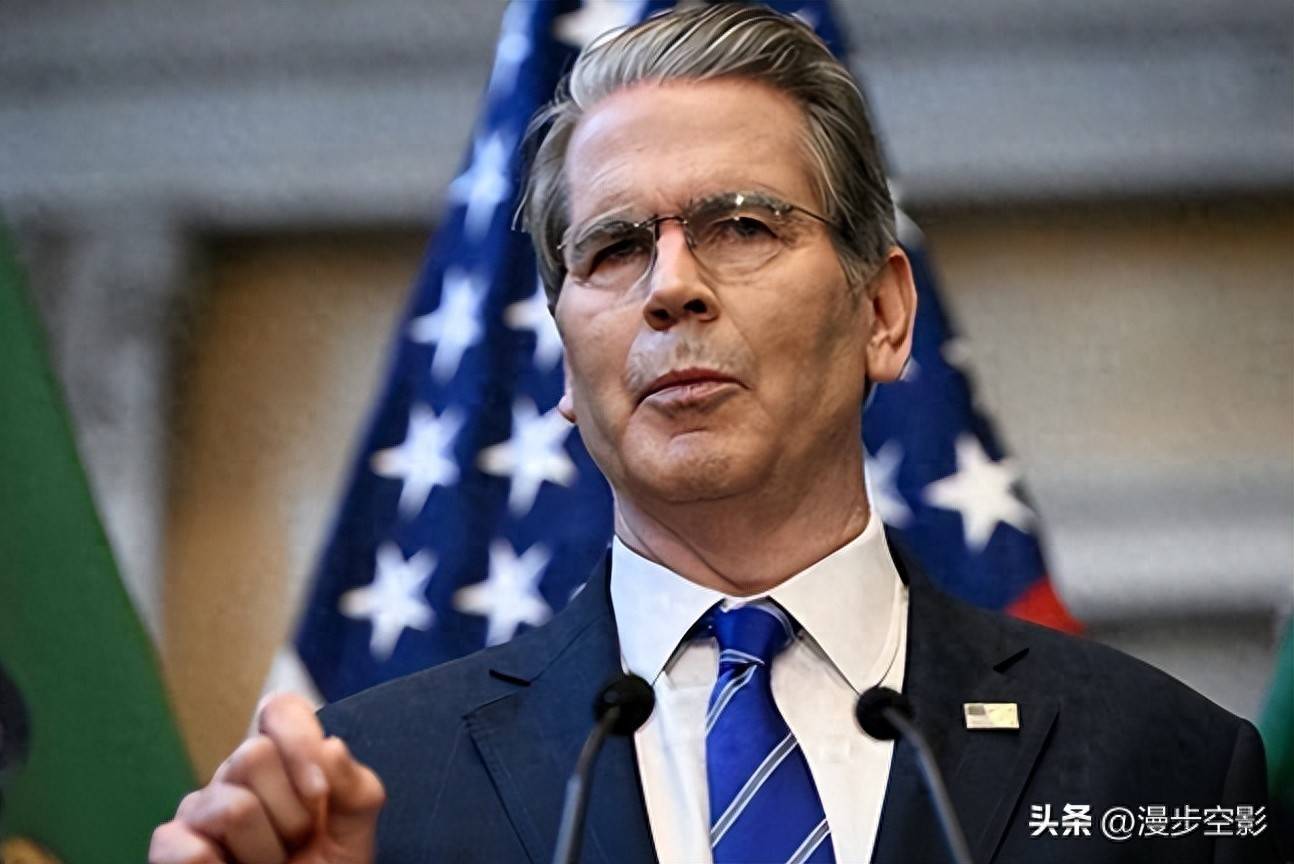
2307吨黄金回国!美财长气急败坏甩锅中国,这回美元真的没救了?
Sou Hu Cai Jing· 2026-02-12 04:06
Core Viewpoint - The article discusses the recent turmoil in gold prices and the implications for the U.S. dollar's dominance, highlighting the role of Chinese traders and the increasing gold reserves in China as a challenge to U.S. financial hegemony [3][9][18]. Group 1: Gold Market Dynamics - Gold prices experienced extreme volatility, reaching historical highs near $5,600 before a sudden drop of over 20%, which is characterized as an administrative intervention rather than a normal market correction [5][7]. - The U.S. Treasury Secretary, Yellen, attributed the market chaos to Chinese trading activities, deflecting attention from domestic issues such as the Federal Reserve's contradictory policies and the U.S. debt crisis [7][9]. Group 2: Global Shift in Currency Reserves - China has been steadily increasing its gold reserves, with the central bank adding 86,000 ounces in 2025 alone, bringing the total to over 2,300 tons, indicating a strategic move away from reliance on the U.S. dollar [9][12]. - Other countries, including Poland, India, and Turkey, are also converting dollars into hard currencies, reflecting a broader trend of "de-dollarization" among global central banks [10][12]. Group 3: U.S. Debt and Financial Stability - The U.S. national debt stands at $38 trillion, raising concerns about the government's ability to service this debt, which is increasingly being addressed through aggressive money printing [16]. - The article suggests that the U.S. has transformed financial instruments into political weapons, undermining the credibility of the dollar as a global currency [16][20]. Group 4: Future of Financial Order - The article posits that the era of dollar dominance is nearing its end, as evidenced by the rising share of the Chinese yuan in global payments, which surpassed 4% in 2025 [18]. - The volatility in gold prices symbolizes a clash between the old financial order based on exploitation and the emerging system grounded in tangible assets and mutual trust [20].