
铁路文化

Search documents
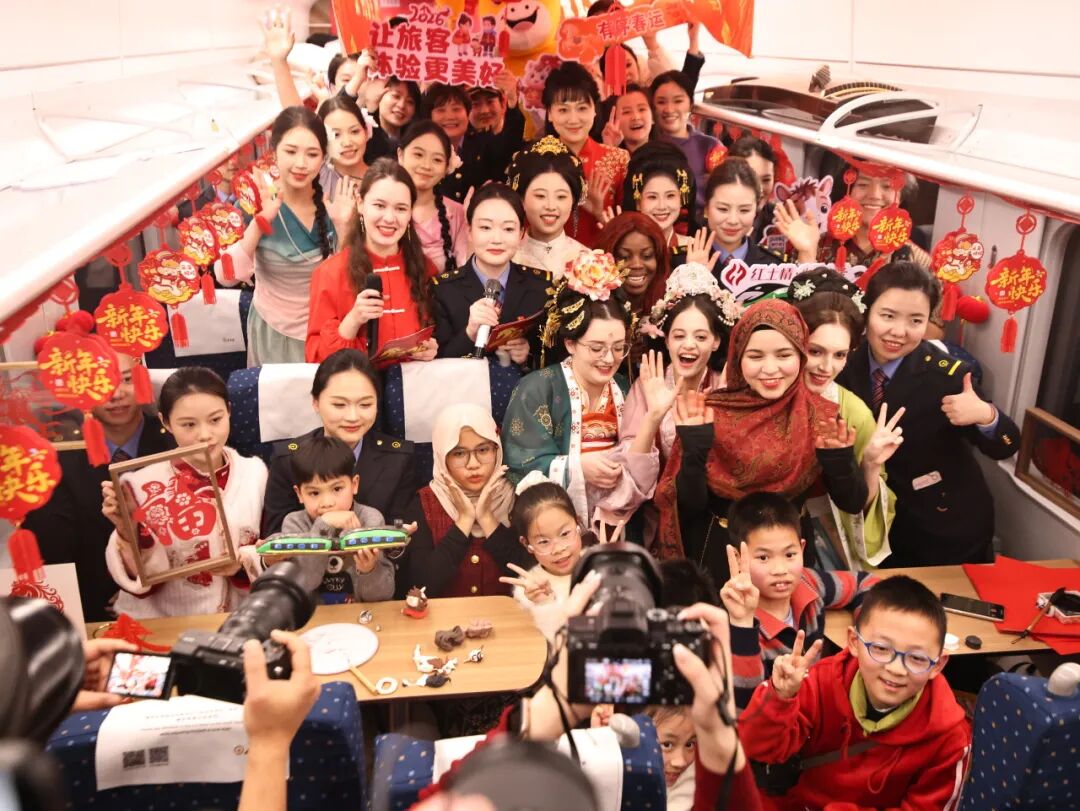
我的铁路风景 | 春运路上最美的风景
Xin Lang Cai Jing· 2026-02-28 01:39
Group 1 - The article highlights the warmth and emotional connection of the Spring Festival travel season, showcasing beautiful moments experienced by travelers [1][14][38] - Various activities and events are organized at train stations and on trains to enhance the festive atmosphere, such as performances and cultural displays [12][39][40] - The narrative emphasizes the transformation of travel experiences over the years, from traditional slow trains to modern high-speed trains, reflecting societal progress [28][30][36] Group 2 - The article illustrates the significance of railways as a bridge connecting cities and as a means of fostering civilization and harmony among people [40] - It captures the essence of family reunions and the emotional journeys of travelers returning home during the Spring Festival [14][27][38] - The portrayal of railway staff's dedication and the warm service provided to passengers enhances the overall travel experience during this festive period [39][40]

让历史活在每一段向前延伸的轨道中(环球走笔)
Ren Min Ri Bao· 2025-12-04 22:16
Core Viewpoint - The Albulaline and Bernina Railway, celebrated for its harmonious integration of technology and nature, has been recognized as a UNESCO World Heritage site, emphasizing the importance of preserving its unique value through tourism and education [2][3]. Group 1: Historical Significance - The Albulaline, praised by cultural critic Isidor Karmatin in 1913, transformed the previously inaccessible Graubünden region into a beautiful and connected area [1]. - The railway was proposed by Dutchman Willem Jan Holsboer in the late 19th century and took five years to complete, connecting the capital city of Chur with the resort town of St. Moritz [2]. - The Albulaline and the Bernina line, completed in the same year, were recognized for their ecological design and were inscribed as UNESCO World Heritage sites in 2008 [2]. Group 2: Maintenance and Preservation - The Rhaetian Railway Company invests approximately 60 million Swiss francs (about 5.3 billion RMB) annually in maintenance, adhering to UNESCO's protection standards [3]. - The railway's original stone bridges and tunnels have been preserved, showcasing traditional craftsmanship in restoration efforts [3]. Group 3: Tourism Development - The Swiss railway culture emphasizes tourism, with the Rhaetian Railway Company introducing scenic carriages as early as 1926 and adapting to changing passenger needs [4]. - The newly opened "Landwasser World" eco-park combines the railway with agriculture, villages, forests, and water systems, providing immersive experiences for train enthusiasts and hikers [4]. - The Swiss government collaborates with various foundations to create a diverse funding network for the maintenance of historical railway facilities [4]. Group 4: Cultural Heritage and Community Engagement - The legacy of the railway is maintained through the respect for individuals who contributed to its history, fostering a sense of belonging among railway workers [5]. - Educational initiatives incorporate railway heritage into school curricula, while community events celebrate the railway's history and engage the public [5]. - The Albulaline and Bernina Railway serve as a bridge between the past and future, intertwining natural beauty with industrial history [5].
百廿荣光 郑州铁路史从这里起航
Zheng Zhou Ri Bao· 2025-11-13 00:41
Core Viewpoint - The commemorative event for the completion of the Zhengzhou Yellow River First Railway Bridge and the 120th anniversary of the Jinghan Railway aims to promote cultural heritage and ecological protection while enhancing the cultural significance of the Yellow River and railway history [1][2][3] Group 1: Event Overview - The event was held on November 12 at the site of the Yellow River First Railway Bridge, attended by experts, scholars, and community members [1] - It was organized by the Zhengzhou Yellow River Cultural Park Management Committee, Zhengzhou Daily, and the Henan Academy of Social Sciences [1] Group 2: Cultural Significance - The Yellow River First Railway Bridge is a symbol of Zhengzhou and a milestone in China's railway development, having transformed the transportation landscape and established Zhengzhou as a national railway hub [1] - The event emphasizes the importance of protecting and promoting Yellow River culture, contributing to the high-quality development of the Yellow River Cultural Park [2] Group 3: Historical Context - The event included the unveiling of a commemorative monument and a tour of the "Three Bridges" industrial heritage site, which consists of the Jinghan Railway Yellow River Bridge, Jingguang Railway Yellow River Bridge, and Zhengjiao Intercity Yellow River Bridge [2] - Discussions during the event focused on interpreting historical texts and the significance of the first Yellow River railway bridge, aiming to integrate industrial heritage into urban cultural development [2] Group 4: Impact on Local Development - The successful hosting of the event enhances the brand influence and social recognition of the Zhengzhou Yellow River Cultural Park, connecting "Yellow River culture" with "railway culture" [3] - The event aims to illuminate cultural landmarks in Zhengzhou, contributing to the city's historical and cultural identity [3]