销售模式创新

Search documents
京东首车遭退定!天窗消失,下定才知“租电限3000公里”
Bei Jing Shang Bao· 2025-11-25 13:43
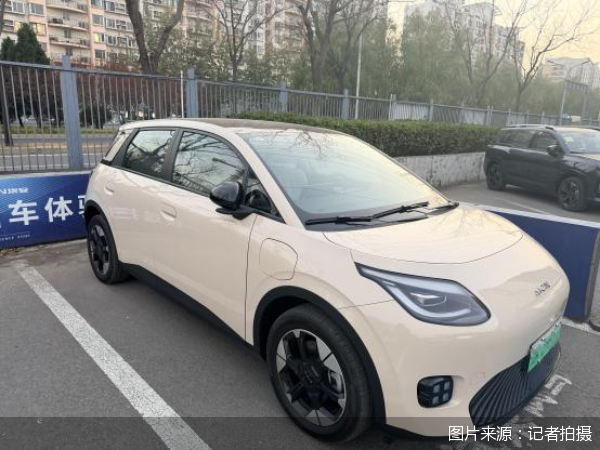
Core Viewpoint - The launch of the Aion UT Super by JD.com has faced significant consumer backlash due to discrepancies between advertised features and actual vehicle specifications, leading to a wave of order cancellations and legal discussions regarding consumer rights [1][3][9]. Group 1: Product Discrepancies - Consumers reported that the Aion UT Super was advertised with a sunroof, which was not present in the actual vehicle, leading to dissatisfaction and requests for refunds [3][5][10]. - JD.com acknowledged that some promotional images were outdated and did not reflect the current model's specifications, resulting in confusion among consumers [5][6]. - The sales staff provided inconsistent information regarding the availability of the sunroof, further complicating consumer trust [5][6]. Group 2: Rental and Mileage Limitations - The rental battery service was marketed at a low monthly fee, but consumers later discovered a mileage cap of 3,000 kilometers per month, which was not disclosed during the initial sales pitch [6][7]. - JD.com stated that the mileage limit was based on average private vehicle usage, aiming to cater to the majority of family users, but this has raised concerns among consumers with higher commuting needs [7][8]. - The inability to issue local invoices for subsidies also contributed to consumer dissatisfaction, as it limited access to regional purchase incentives [8][9]. Group 3: Legal and Trust Issues - The "no refund" policy after placing an order has sparked legal discussions about the adequacy of consumer information disclosure and the potential for misleading practices [9][10]. - Legal experts indicated that if consumers were not adequately informed about critical terms, such as mileage limits and refund policies, it could constitute a violation of consumer rights [9][10]. - The situation highlights the need for companies to prioritize transparent communication and trust-building in their sales processes, especially in the context of online vehicle sales [13].




我为什么退定京东首车:租电用户设限、发票地仅上海广州均未明示
Bei Jing Shang Bao· 2025-11-25 13:31
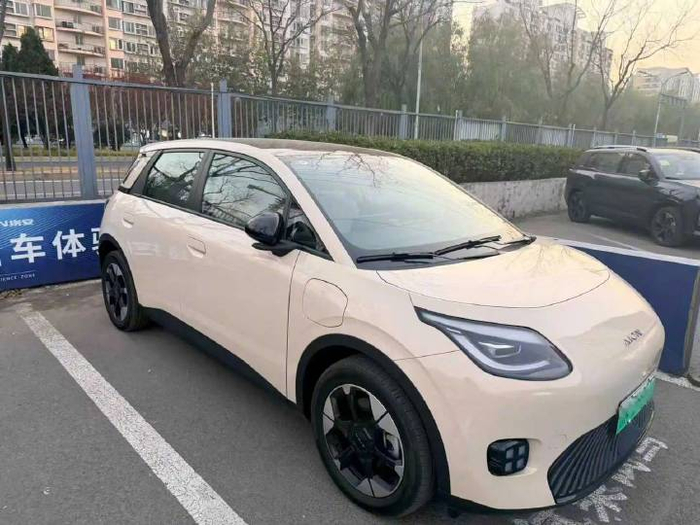
Core Viewpoint - The launch of the Aion UT Super by JD.com has faced significant consumer backlash due to discrepancies between advertised features and actual vehicle specifications, particularly regarding the absence of a sunroof and undisclosed rental terms for battery usage [1][3][6]. Group 1: Product Features and Consumer Expectations - Consumers reported that the Aion UT Super was advertised with a sunroof, which was not present in the actual vehicle, leading to dissatisfaction and requests for refunds [3][5]. - JD.com acknowledged that some promotional materials were outdated and did not accurately reflect the vehicle's specifications, which contributed to consumer confusion [5][6]. - The Aion UT Super's available configurations were limited to exterior color, interior color, and wheel design, with no options for additional features like a sunroof [5][6]. Group 2: Rental Terms and Consumer Rights - The rental battery service was marketed at a low monthly fee but included a significant limitation of 3000 kilometers per month, which was not disclosed during the initial sales pitch [6][7]. - Consumers expressed concerns about the rental terms, particularly regarding the mileage cap, which they felt was insufficient for their needs [6][7]. - Legal experts highlighted that the enforceability of non-refundable deposit clauses depends on whether consumers were adequately informed about key terms, such as mileage limits and pricing structures [10][11]. Group 3: Legal and Industry Implications - The discrepancies in advertising and actual vehicle features may constitute false advertising, potentially violating consumer protection laws [11][14]. - The shift from traditional dealership sales to online platforms has increased the risk of information asymmetry, leading to consumer dissatisfaction and negative feedback [14]. - Industry experts emphasized the need for transparency and trust in the sales process, suggesting that companies must prioritize consumer value over marketing gimmicks to foster long-term relationships [14].