长期使用价值

Search documents
从“尝鲜”转向长期价值,9系旗舰竞赛迎来上汽大众入局的重构时刻
Bei Jing Shang Bao· 2025-12-26 06:43
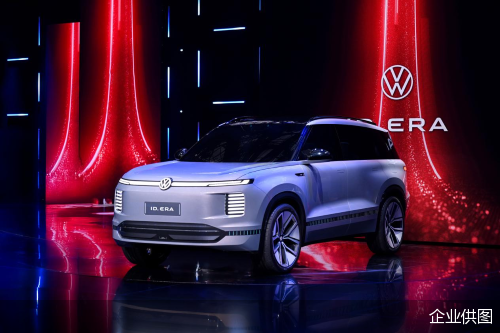
Core Insights - The high-end new energy vehicle market in China is experiencing a significant shift, with the introduction of the ID.ERA series by SAIC Volkswagen marking a new competitive landscape in the range-extended flagship SUV segment [1][12] - The competition is evolving from a focus on individual technological highlights to a comprehensive evaluation of overall value, including reliability, safety, and long-term usability [2][9] Group 1: Market Dynamics - The emergence of the ID.ERA series signifies a transition in consumer expectations, where Chinese consumers are now prioritizing long-term value over single technological features [2][9] - The ID.ERA series, particularly the 9 series flagship, is positioned to challenge existing players like Li Auto's L9 and AITO's M9 by leveraging a comprehensive system capability [4][11] Group 2: Technological Advancements - The ID.ERA flagship integrates advanced mechanical features, including a sophisticated chassis structure that enhances stability and comfort through predictive terrain analysis [4][6] - The powertrain features the EA211 1.5T EVO II engine, designed for efficiency and low noise, which aims to provide consistent performance across various driving scenarios [5][6] Group 3: Value Proposition - The 9 series flagship emphasizes a "no shortcoming experience," focusing on stability and reliability in diverse driving conditions, which aligns with evolving consumer perceptions of luxury [8][9] - The integration of advanced safety features and a robust intelligent driving architecture aims to redefine luxury standards in the high-end new energy vehicle market [8][9] Group 4: Pricing Strategy - The pricing of the ID.ERA series flagship is a critical factor that could reshape the competitive landscape, with potential shifts from configuration-based competition to system reliability and long-term cost considerations [11] - The strategic pricing decision will influence how consumers evaluate products, potentially marking a shift from experience-driven innovation to system-based competition in the high-end new energy sector [11][12]