体系化竞争

Search documents
银河V900上市:体系化竞争下的“吉利答案”
Xin Lang Cai Jing· 2026-01-21 10:20
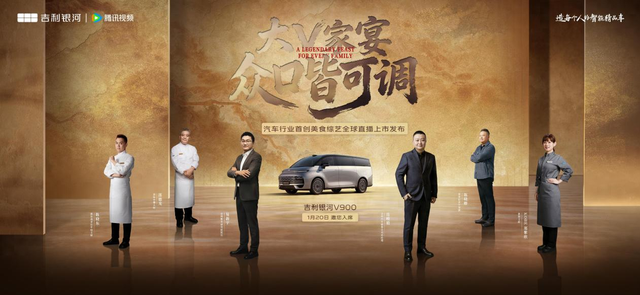
Core Insights - The Chinese MPV market in 2026 is no longer a blue ocean, with multiple new models entering the market, leading to intense competition and a shift from a single model dominance to a more diversified landscape [1] - The focus of new vehicle competition has shifted from merely having more features to the maturity of systems and stability of user experience, as consumers now evaluate vehicles based on system synergy, all-scenario coverage, and long-term usage costs [1] Product Overview - The Geely Galaxy V900 was officially launched on January 20, featuring a price range from 269,800 to 329,800 yuan, and aims to address diverse family needs through a narrative approach that resonates with consumers [1][2] - The V900 is positioned as an "AI all-scenario family flagship MPV," offering three models and emphasizing a balance of comfort and control for all passengers [2] - The vehicle boasts a high thermal efficiency of 47.26% and a comprehensive range of 1,220 kilometers, achieved through its innovative Super AI range extension system [2] Technical Features - The V900's chassis is professionally tuned by the Lotus team, showcasing the integration of global R&D resources within Geely [3] - The vehicle exceeds standard safety tests, including the industry's first "super national standard devil triple collision" test, and features 11 airbags, the highest in the global market [4] - The V900 incorporates advanced intelligent driving capabilities, supporting nationwide highway and urban navigation assistance, and can efficiently park in over 300 types of parking spaces [4] Strategic Positioning - The launch of the V900 marks a significant step in Geely's "One Geely" strategy, which aims to enhance operational efficiency and reduce resource waste through brand integration [6] - The V900 is built on the GEA Evo global intelligent new energy flagship architecture, sharing core technologies across Geely's brands, allowing it to offer high product value at a competitive price [6] - The Galaxy brand achieved over 1.23 million annual sales in 2025, a 150% year-on-year increase, providing a strong foundation for the V900's market entry [6] Industry Trends - The introduction of the V900 reflects a broader industry shift from electrification to intelligentization, with a focus on AI-driven vehicle capabilities [8] - The competition among mainstream automakers is evolving from isolated breakthroughs to a more systematic approach encompassing platform architecture, supply chain management, and multi-brand collaboration [8] - Geely has set an ambitious sales target of 3.45 million units for 2026, with 2.22 million of those being new energy vehicles, representing 64% of total sales, demonstrating confidence in its systematic capabilities [8]


车市进入高销量低增长周期,行业从拼价格转向拼价值
Bei Jing Ri Bao Ke Hu Duan· 2026-01-06 00:34
Group 1 - The core viewpoint of the articles highlights the transformation and challenges in the Chinese automotive market, emphasizing a shift from price competition to value-driven growth, with a focus on innovation and technology integration [1][5][8] - In 2025, China's automotive market is expected to achieve record production and sales, driven by policies such as trade-in incentives and tax exemptions for new energy vehicles, indicating sustained consumer demand [1][6] - The competition landscape is evolving, with companies like BYD surpassing Tesla in electric vehicle sales, marking a shift towards systematic competition based on cost, supply chain, and product matrix [2][3] Group 2 - The industry is witnessing a significant shift towards "boundaryless integration," with companies exploring new technologies and markets beyond traditional automotive manufacturing, such as AI and robotics [3][4] - The year 2025 is anticipated to be a turning point for intelligent driving technology, with advancements making high-level autonomous driving features more accessible to the broader market [3][4] - The automotive sector is facing increasing pressure from regulatory changes and market dynamics, leading to a decline in profit margins and a need for companies to focus on value creation through innovation and quality [5][7] Group 3 - The outlook for 2026 suggests a transition to a phase of high sales but low growth, with expectations of stable annual sales around 30 million vehicles, and a significant increase in exports, particularly in the new energy vehicle segment [6][8] - Capital operations within the automotive industry are becoming more active, with several companies successfully listing on stock exchanges, indicating a trend towards consolidation and value reassessment [7][8] - The competitive environment is expected to intensify, with companies needing to accelerate their transition to new energy and global markets to survive the anticipated market shakeout [8]
车市进入高销量低增长周期行业从拼价格转向拼价值
Zheng Quan Shi Bao Wang· 2026-01-06 00:07
Core Insights - Despite challenges, the Chinese automotive market is expected to achieve record production and sales in 2025, with a total of 31.23 million vehicles produced and 31.12 million sold in the first eleven months of the previous year, both showing over 11% year-on-year growth [1] - The industry is transitioning from extensive competition to value-driven high-quality development, supported by factors such as over 50% penetration of new energy vehicles and advancements in autonomous driving technology [1][3] Industry Trends - 2026 is anticipated to be a watershed year for automakers, entering a new cycle characterized by high sales but low growth, with consumers benefiting from advanced features at lower prices [3] - The competition is shifting from individual models to a systematic approach focusing on cost, supply chain, and product matrix, as evidenced by BYD surpassing Tesla in electric vehicle sales [4] - New energy vehicle companies are approaching profitability, with Leap Motor achieving a 103% year-on-year increase in deliveries, while NIO aims for breakeven by Q4 2025 [4] Market Dynamics - The differentiation among automakers is widening, with companies like Li Auto facing challenges in meeting delivery targets during their transition to electric vehicles [5] - Companies are exploring "boundaryless integration," venturing into AI and robotics, indicating a shift towards a more technology-driven and ecosystem-oriented approach [5] - The automotive industry is expected to play a crucial role in driving technological innovation, with advancements in semiconductors and AI being applied at scale [6] Competitive Landscape - The industry is moving away from price wars towards value creation, with a focus on safety and quality as competitive advantages [7] - The market is projected to stabilize with annual sales around 30 million vehicles from 2026 to 2030, with significant growth in exports, particularly in new energy vehicles [8] Capital and Investment - A surge in IPOs within the automotive sector is noted, with companies like Chery and Seres successfully listing, indicating a robust capital operation environment [10] - Traditional automakers are actively restructuring and seeking value reassessment, with state-owned enterprises enhancing their market positions [10] Future Challenges - The automotive market is expected to face intensified competition in 2026, with potential policy rollbacks and rising costs posing significant challenges [11] - The industry is likely to undergo a rapid consolidation phase, with resources concentrating on high-quality enterprises as the market matures [11]

车市进入高销量低增长周期 行业从拼价格转向拼价值
Zheng Quan Shi Bao· 2026-01-05 18:38
Group 1 - The Chinese automotive market is expected to set new records in production and sales in 2025, with a cumulative completion of 31.23 million vehicles produced and 31.12 million sold in the first 11 months of the previous year, both showing an increase of over 11% year-on-year [1] - The industry is transitioning from extensive competition to high-quality development, driven by factors such as over 50% penetration of new energy vehicles and the rollout of L3 autonomous driving [1] - The year 2026 is anticipated to mark a turning point for automakers, entering a new cycle characterized by high sales but low growth, with consumers benefiting from advanced features at lower prices [1] Group 2 - BYD has surpassed Tesla in annual sales of pure electric vehicles, indicating a shift in the competitive landscape towards a focus on cost, supply chain, and product matrix [2] - New energy vehicle companies like Leap Motor and XPeng are approaching profitability, while NIO aims for breakeven in Q4 2025, highlighting a significant differentiation among automakers [2] - The competition is expected to evolve from mere delivery races to comprehensive assessments of cash flow, gross margins, and channel efficiency [2] Group 3 - Automakers are exploring "boundaryless integration," with companies like Li Auto and XPeng venturing into AI glasses and flying cars, respectively, indicating a shift towards technology and ecosystem development [3] - The year 2025 is seen as the "year of universal intelligent driving," with advancements in L2 and L3 driving assistance technologies becoming more mainstream [3] - The automotive industry is becoming a core driver of technological innovation, with a growing emphasis on integrating advanced technologies like semiconductors and AI [4] Group 4 - The automotive industry is moving away from price wars towards value creation, with a focus on safety and emotional value for consumers [5] - The market is expected to stabilize with annual sales around 30 million vehicles from 2026 to 2030, indicating a shift towards a more rational competitive environment [5] - The industry is witnessing a recovery in profit margins due to effective policies like the vehicle trade-in program, which has reduced the prevalence of price wars [5] Group 5 - The international market is becoming a crucial growth area, with projections of Chinese automotive exports reaching 8 million units by 2026 and 10 million by 2030, primarily driven by new energy vehicles [6] - Chinese automakers are transitioning from merely exporting products to establishing a comprehensive ecosystem that includes technology and supply chain collaboration [6] Group 6 - The automotive industry is experiencing a surge in IPOs, with companies like Chery and Seres successfully listing, indicating a vibrant capital market for the sector [7] - Traditional automakers are actively engaging in capital operations to enhance their market positions and prepare for intensified competition [7] - The market consensus suggests that 2026 will bring a more brutal competitive environment, with potential for increased consolidation and closures among weaker players [7][8] Group 7 - The automotive industry is expected to undergo rapid resource concentration towards high-quality enterprises, with the performance in 2025 serving as a ticket for the competitive landscape in 2026 [8] - Companies must accelerate their transition to new energy, strengthen technological barriers, and expand into global markets to survive in the upcoming competitive landscape [8]
从“尝鲜”转向长期价值,9系旗舰竞赛迎来上汽大众入局的重构时刻
Bei Jing Shang Bao· 2025-12-26 06:43
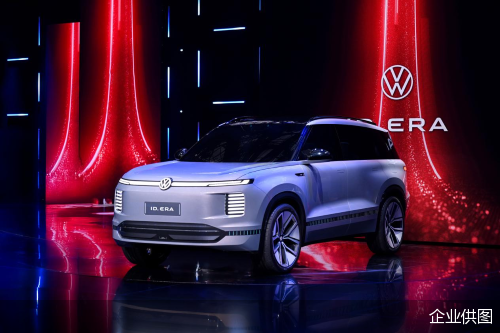
Core Insights - The high-end new energy vehicle market in China is experiencing a significant shift, with the introduction of the ID.ERA series by SAIC Volkswagen marking a new competitive landscape in the range-extended flagship SUV segment [1][12] - The competition is evolving from a focus on individual technological highlights to a comprehensive evaluation of overall value, including reliability, safety, and long-term usability [2][9] Group 1: Market Dynamics - The emergence of the ID.ERA series signifies a transition in consumer expectations, where Chinese consumers are now prioritizing long-term value over single technological features [2][9] - The ID.ERA series, particularly the 9 series flagship, is positioned to challenge existing players like Li Auto's L9 and AITO's M9 by leveraging a comprehensive system capability [4][11] Group 2: Technological Advancements - The ID.ERA flagship integrates advanced mechanical features, including a sophisticated chassis structure that enhances stability and comfort through predictive terrain analysis [4][6] - The powertrain features the EA211 1.5T EVO II engine, designed for efficiency and low noise, which aims to provide consistent performance across various driving scenarios [5][6] Group 3: Value Proposition - The 9 series flagship emphasizes a "no shortcoming experience," focusing on stability and reliability in diverse driving conditions, which aligns with evolving consumer perceptions of luxury [8][9] - The integration of advanced safety features and a robust intelligent driving architecture aims to redefine luxury standards in the high-end new energy vehicle market [8][9] Group 4: Pricing Strategy - The pricing of the ID.ERA series flagship is a critical factor that could reshape the competitive landscape, with potential shifts from configuration-based competition to system reliability and long-term cost considerations [11] - The strategic pricing decision will influence how consumers evaluate products, potentially marking a shift from experience-driven innovation to system-based competition in the high-end new energy sector [11][12]
不止于“9” ,上汽大众全新增程9系重塑高端增程价值标尺
Zhong Guo Qi Che Bao Wang· 2025-12-25 08:11
Core Insights - The market for high-end extended-range SUVs priced around 400,000 yuan is transitioning from a blue ocean to a red ocean, with significant competition emerging from various models, including the Li Auto L9 and AITO M9 [2][3] - SAIC Volkswagen's upcoming ID. ERA series, particularly the extended-range 9 series, is expected to disrupt the current competitive landscape by introducing a comprehensive value system [2][5] Market Dynamics - Sales of six-seat SUVs increased by 47% year-on-year in 2024, while mid-to-large SUVs saw a 28% increase in the first half of 2025, with six-seat models contributing over 70% of sales [2] - The introduction of the Li Auto L9 and AITO M9 has raised the price range for domestic brands to 400,000 yuan and above, with the AITO M9 achieving monthly sales of over 15,000 units [3] Competitive Landscape - The competition in the 400,000 yuan high-end SUV market is intensifying, with the AITO M9 experiencing a decline in sales from 10,544 units in September to 7,804 units in November 2025 [3] - SAIC Volkswagen's entry is seen as a strategic move to fill the gap left by existing players, leveraging its extensive user base and partnerships with leading technology firms [5] Value Proposition - The new extended-range 9 series from SAIC Volkswagen aims to provide a "no shortcoming experience" and long-term reliability, addressing consumer concerns about product quality and durability [6][8] - The brand's historical strength in quality control and safety, backed by decades of German engineering, positions it favorably against newer entrants [10][11] Pricing Strategy - The pricing strategy for the extended-range 9 series is crucial, as it will determine its competitive edge in a market where existing price points have been established by earlier models [14][16] - SAIC Volkswagen's scale and cost control capabilities, along with its established distribution network, may allow for more flexible and attractive pricing compared to newer brands [14][16] Consumer Expectations - As consumers begin to prioritize long-term reliability and comprehensive value over extreme features, the extended-range 9 series is positioned to meet these evolving expectations [13][16] - The anticipated launch of the extended-range 9 series signifies a shift towards a more integrated approach to competition in the high-end SUV market, focusing on overall system strength rather than just individual features [16]

华为乾崑携奕境品牌,探索家庭出行新答案
3 6 Ke· 2025-11-29 13:47
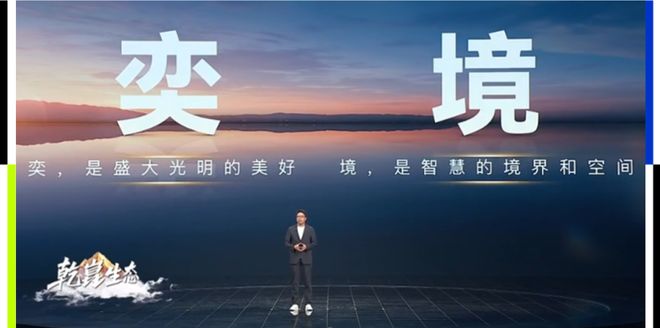
Core Insights - The collaboration between Huawei and Dongfeng has led to the launch of a new electric vehicle brand called "Yijing," which aims to redefine family travel experiences [3][5][9] - The partnership signifies a deep integration of technology and manufacturing capabilities, moving beyond traditional cooperation to a full-chain collaboration [5][23] - Yijing targets the high-quality family travel market, focusing on safety, intelligent experiences, and comprehensive care for all family members [12][24] Group 1: Brand and Collaboration - The Yijing brand was officially launched at the Huawei QianKun Ecological Conference on November 20, 2023, marking a significant milestone in the collaboration between Huawei QianKun and Dongfeng [3][5] - The partnership has evolved from initial smart networking cooperation to a comprehensive joint effort in product definition, project development, supply chain, and manufacturing [5][23] - The name "Yijing" was co-created with user input, reflecting a commitment to user-centric design and collaboration [16][19] Group 2: Product Features and Safety - Yijing's first model is set to debut at the Beijing Auto Show in April 2026, with plans for at least one new model to be launched annually thereafter [9][24] - The vehicles will incorporate advanced safety features, including a comprehensive collision avoidance system and a battery safety plan that has undergone over 80 validations [14][23] - Huawei QianKun's intelligent driving system has accumulated 5.811 billion kilometers of driving data, significantly enhancing safety and user experience [7][14] Group 3: Market Positioning and User Needs - The family travel market is highly competitive, with a focus on meeting unmet needs such as enhanced safety, intelligent features, and overall quality [12][24] - Yijing aims to address three key concerns for family users: comprehensive safety, exceptional intelligent experiences, and comfort for all passengers [12][24] - The collaboration emphasizes a systematic approach to vehicle development, integrating various aspects of research, supply chain, and manufacturing to create vehicles that meet family users' core demands [23][24]

华为乾崑携奕境品牌,探索家庭出行新答案
36氪· 2025-11-29 13:35
Core Viewpoint - The collaboration between Huawei QianKun and Dongfeng has led to the launch of a new electric vehicle brand, "Yijing," aimed at the high-quality family travel market, emphasizing safety, intelligence, and user experience [3][12][28]. Group 1: Brand and Collaboration - The "Yijing" brand was officially launched at the Huawei QianKun Ecological Conference on November 20, marking a significant partnership between Dongfeng, a state-owned automotive enterprise, and Huawei QianKun, a leader in intelligent driving [3][4]. - The collaboration has evolved from initial smart networking projects to a comprehensive partnership covering product definition, project development, supply chain, and manufacturing [6][28]. - The brand name "Yijing" was created through user engagement, reflecting a commitment to co-creation with consumers [20][25]. Group 2: Market Positioning and User Needs - "Yijing" targets the family travel market, which is highly competitive, focusing on unmet needs such as comprehensive safety, advanced intelligent experiences, and care for all family members [15][16][28]. - The brand aims to exceed user expectations by providing a vehicle that prioritizes safety, intelligence, and quality, moving beyond basic transportation needs [12][16]. Group 3: Technological Advancements - The latest version of Huawei QianKun's intelligent driving system has achieved significant milestones, including a cumulative driving distance of 5.811 billion kilometers, equating to 145,000 laps around the Earth [9][18]. - The safety features of the Yijing brand include a comprehensive collision avoidance system capable of addressing various driving conditions and scenarios, enhancing overall vehicle safety [18][28]. Group 4: Development and Design Process - The development teams from Huawei QianKun and Dongfeng have been working closely since June 2024, fostering a collaborative environment to address challenges and enhance product quality [23][24]. - User feedback has been integral to the design process, with multiple surveys conducted to ensure the vehicle's aesthetics meet consumer preferences [24]. Group 5: Industry Context and Future Outlook - The automotive industry is undergoing a transformation where success relies on integrated capabilities across research, organization, supply chain, manufacturing, software, and distribution [27][28]. - The launch of "Yijing" is seen as a timely response to the evolving demands of the automotive market, positioning itself as a leader in the next phase of industry competition [26][28].
中美交流:从巴厘岛到西班牙
Hu Xiu· 2025-09-17 09:00
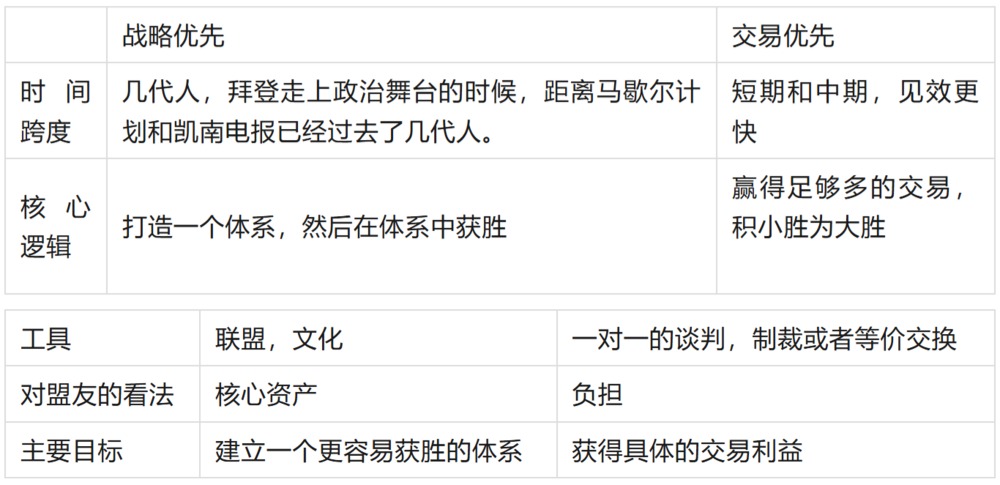
Economic Communication - The Biden administration prioritizes strategic communication over economic discussions, contrasting with the Trump administration, which focused more on economic exchanges [2][9] - Janet Yellen's discussions with China primarily revolve around structural issues like overcapacity, which are more strategic than purely economic, leading to limited outcomes [6][9] - The economic dialogue under Biden has not yielded significant results due to unresolved structural strategic conflicts, with the U.S. feeling it has the upper hand in negotiations [6][10] Strategic Communication - The Biden administration emphasizes structural contradictions in strategic discussions, addressing issues like the Taiwan Strait, the Russia-Ukraine conflict, and the South China Sea [5][9] - The Trump administration's approach is characterized by tactical issues rather than overarching strategic narratives, focusing on specific matters like tariffs and TikTok [11][12] - The shift from strategic to tactical discussions under Trump has led to a higher likelihood of reaching agreements on specific issues, despite the apparent increase in confrontational rhetoric [12][13] High-Level Meetings - High-level meetings between the U.S. and China are structured to manage differences, with annual meetings planned in 2022, 2023, and 2024, demonstrating a methodical approach to bilateral relations [4][27] - The effectiveness of these meetings is highlighted by the reduced likelihood of conflict post-Bali discussions, indicating a successful management of competitive tensions [4][23] - The upcoming high-level summit in November is anticipated to differ from previous meetings, potentially leading to more agreements as both sides may temporarily set aside strategic disagreements [27]