限高令

Search documents
“15层以上的高层还能买吗”,多少高楼住户关心这件事
虎嗅APP· 2025-12-13 09:07
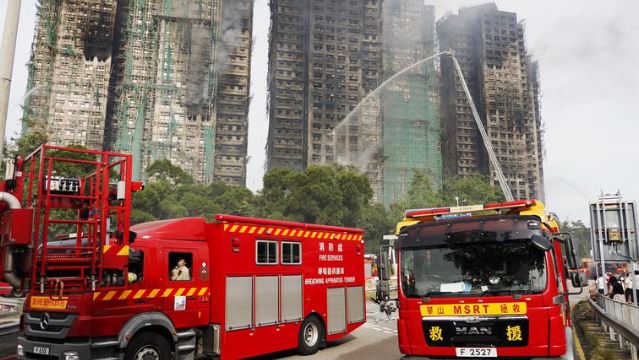
Core Viewpoint - The article discusses the increasing concerns regarding fire safety in high-rise buildings in China, particularly after recent incidents, highlighting the need for improved fire prevention measures and regulations [4][6][19]. Group 1: High-Rise Building Fire Safety Concerns - Following a tragic fire incident in Hong Kong, public discussions have intensified regarding the safety of high-rise buildings, with many expressing regret over living in such structures [4]. - As of now, there are over 1 million high-rise buildings in China, with more than 5,000 exceeding 100 meters in height, raising concerns about their maintenance as they age [5]. - The National Fire Rescue Administration has reported a yearly increase in high-rise building fires, emphasizing the need for enhanced safety measures, including better fireproof materials and accessible fire escape routes [6][19]. Group 2: Challenges in Fire Rescue Operations - High-rise buildings present unique challenges for fire rescue operations, as traditional fire trucks often cannot reach upper floors, with most equipped to handle heights between 24 to 54 meters [9][10]. - The design of many high-rise buildings does not align with current fire rescue capabilities, leading to difficulties in evacuation and rescue during emergencies [11][19]. - Recent incidents have shown that even advanced firefighting equipment, like aerial ladders, may not be effective due to road width restrictions in urban areas [10]. Group 3: Regulatory Changes and Future Directions - In response to rising fire safety concerns, the Chinese government has implemented stricter regulations on the height of new buildings, with a focus on ensuring that residential heights align with fire rescue capabilities [19][22]. - The latest regulations limit new residential buildings to a maximum height of 80 meters, corresponding to 18-26 floors, reflecting a shift towards safer urban planning [19][22]. - The article emphasizes the importance of regular maintenance and awareness of fire safety measures among residents, as many existing high-rise buildings may have inadequate fire safety systems [22][28].


香港大火启示:全国100多万栋高层民居,更新改造隐患仍多
第一财经· 2025-12-02 09:27
Core Viewpoint - The article emphasizes the urgent need for improved fire safety standards and regulations for high-rise buildings in China, particularly in light of recent fire incidents that highlight existing vulnerabilities in construction and emergency response systems [3][4][12]. Group 1: Fire Safety Concerns - The recent fire at Hong Kong's Tai Po Hong Fu Court has raised alarms about the rapid spread of fire in high-rise buildings and the adequacy of current firefighting capabilities [3][4]. - Experts indicate that many high-rise buildings in China, particularly those built over 20 years ago, may not meet current fire safety standards, posing significant risks [11][12]. - There is a growing trend of increasing fire incidents in high-rise buildings, with 36,000 cases reported in the first eight months of 2024, surpassing the total for 2023 [13]. Group 2: Urban Renewal and Building Safety - Urban renewal efforts in China are increasingly focused on older multi-story housing, with a need to address fire safety in aging high-rise buildings [4][5]. - The article discusses the challenges of updating fire safety measures in older buildings, particularly those that have undergone renovations that may compromise safety [14][15]. - Experts suggest that a comprehensive responsibility system is needed to address the challenges of urban renewal and fire safety in older high-rise buildings [4][5]. Group 3: Regulatory Framework and Compliance - The article highlights the disconnect between existing fire safety regulations and their practical enforcement, leading to increased risks during construction and renovation [15][16]. - The new Safety Production Law emphasizes the responsibility of construction companies for safety, but there are concerns about compliance and the potential for cost-cutting measures that compromise safety [15][16]. - The article calls for a more robust regulatory framework to ensure compliance with fire safety standards, particularly in the context of urban renewal [15][16]. Group 4: Financial and Structural Challenges - The financial burden of upgrading fire safety systems in older buildings is significant, with costs for renovations often exceeding those for new constructions by 20% to 50% [19][20]. - There is a noted inefficiency in utilizing the housing maintenance fund, with less than 20% of the total fund being effectively used for necessary upgrades [19][20]. - Experts recommend mandatory inspections for high-rise buildings over 20 years old to identify and address safety risks proactively [18][19]. Group 5: Height Limitations and Future Regulations - The article discusses the implementation of height restrictions for new high-rise buildings as a fundamental solution to fire safety issues [21][22]. - Recent regulations have set strict limits on the construction of new high-rise buildings, particularly those exceeding 250 meters, to ensure they align with firefighting capabilities [22][23]. - The new Residential Project Standards further restrict the maximum height of residential buildings to 80 meters, reflecting a shift towards prioritizing safety in urban planning [23][24].
香港大火启示:全国100多万栋高层民居,更新改造隐患仍多
Di Yi Cai Jing Zi Xun· 2025-12-02 08:44
Core Insights - The recent fire incident at Hong Kong's Tai Po Hong Fuk Court has raised significant concerns regarding the safety of high-rise buildings and the effectiveness of fire prevention measures in China [1][10] - The Chinese government is taking steps to enhance fire safety regulations and conduct thorough inspections of high-rise buildings, particularly those built over 20 years ago [2][8][12] Group 1: Fire Safety Concerns - The fire at Hong Kong's Tai Po highlighted the rapid spread of flames and the severe consequences of high-rise fires, prompting the State Council to initiate a nationwide inspection of fire risks in high-rise buildings [1][10] - Experts indicate that many high-rise buildings in China are now aging, with approximately 40%-50% of buildings over 27 meters tall built more than 20 years ago, raising concerns about outdated fire safety measures [8][12] - The increasing number of high-rise fires in recent years, with 36,000 incidents reported in the first eight months of 2024 alone, underscores the urgent need for improved fire safety protocols [9][10] Group 2: Urban Renewal and Building Safety - As urban renewal efforts focus on older multi-story housing, there is a pressing need to address the safety risks associated with aging high-rise buildings, particularly in terms of fire prevention and emergency response [2][12] - The construction of high-rise buildings in China has surged since the late 1990s, with over 1 million high-rise residential buildings currently in existence, making it crucial to reassess their safety standards [4][8] - The government is encouraged to implement regular safety inspections and updates for high-rise buildings, especially those that have reached their mid-life stage [13][14] Group 3: Regulatory Measures and Recommendations - The Chinese government has introduced a "height limit" policy to mitigate risks associated with high-rise buildings, aiming to prevent the construction of excessively tall structures that exceed local fire response capabilities [17][18] - New regulations have been established to enhance fire safety standards for high-rise buildings, including stricter requirements for fire-resistant materials and construction practices [19] - Experts recommend legislative measures to mandate regular safety assessments for high-rise buildings over 20 years old, ensuring that critical systems are functioning properly and that fire hazards are addressed [14][15]