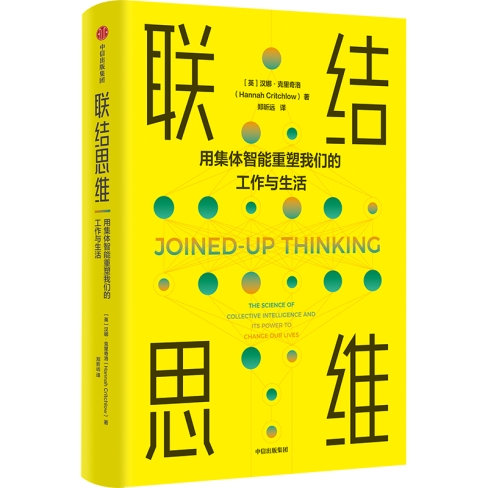
集体智慧

Search documents
剑桥神经科学揭秘:直觉是高效联结的秘密武器
3 6 Ke· 2025-11-11 07:12
Core Insights - The article discusses the relationship between intuition and collective intelligence, suggesting that intuition is not merely a personal gift but can be developed as a skill, especially in complex decision-making environments [1][2][3] Group 1: Intuition and Its Mechanisms - Intuition is linked to the body's interoceptive abilities, which involve the gut and heart's connection to the brain, allowing individuals to process vast amounts of information unconsciously [2][3] - The concept of "super feelers" refers to individuals who are more attuned to their intuitive responses, leading to better performance in high-stakes environments like financial trading [4][6] - Research indicates that successful traders can read physiological signals related to intuition, enhancing their decision-making capabilities [4][6] Group 2: Collective Intelligence - Collective intelligence can surpass individual capabilities when certain conditions are met, such as independence, diversity, decentralization, and aggregation of individual inputs [6][8] - The effectiveness of collective intelligence is influenced by emotional intelligence and prosocial behaviors among team members, which foster a supportive environment [9][10] - Cognitive diversity within teams is crucial for success, as it encourages different thinking styles and prevents groupthink [11][12] Group 3: Balancing Intuition and Bias - While intuition can be beneficial, it is also susceptible to unconscious biases that may lead to misjudgments, particularly under stress [7][8] - The concept of "connected thinking" is proposed as a method to balance intuition and bias, emphasizing the importance of social connections and interactions in enhancing collective intelligence [8][12]

反AI"伤脑"论——使用AI会让人变弱智?
3 6 Ke· 2025-08-05 07:11
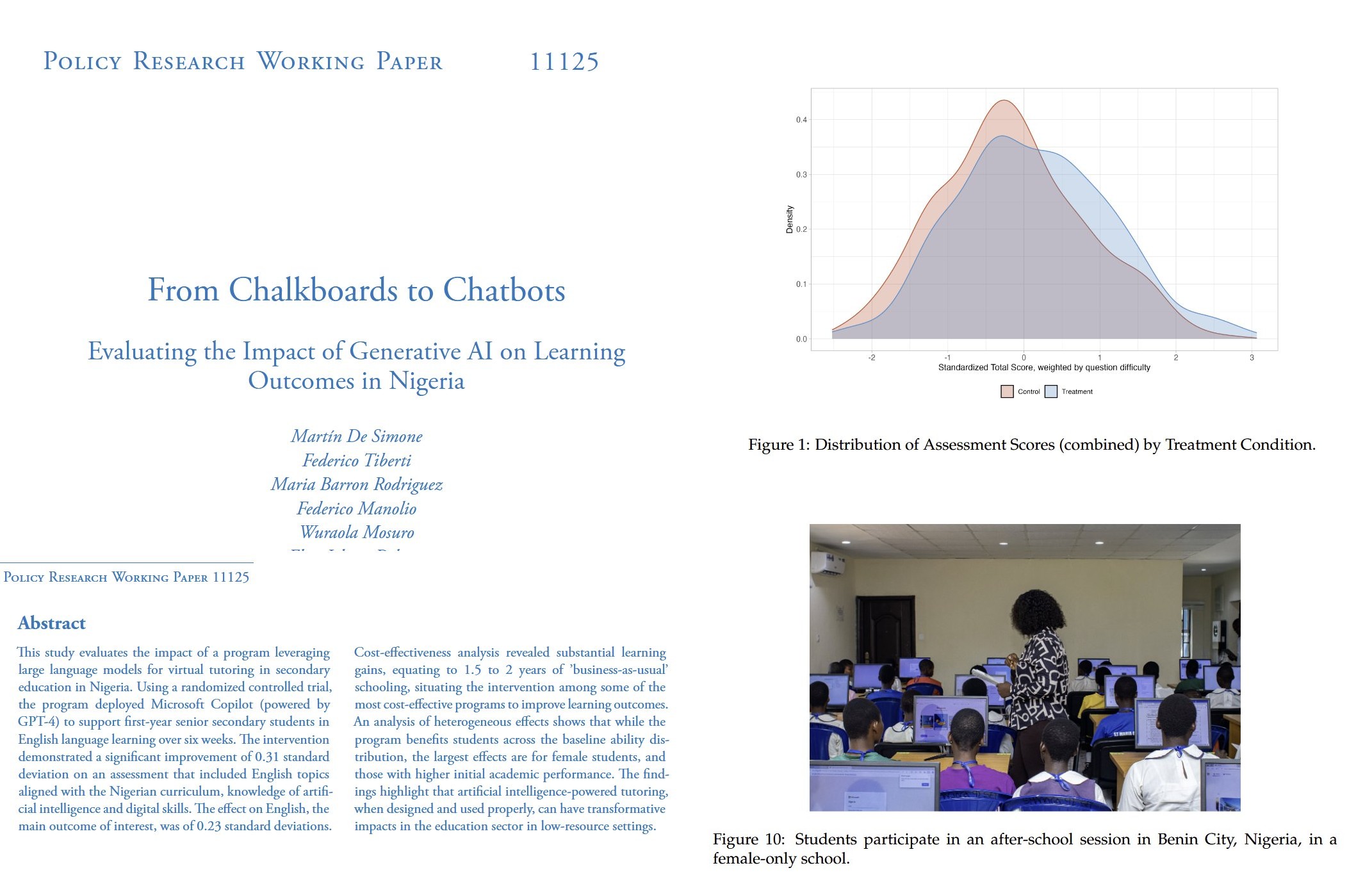
Core Insights - The article discusses the dual potential of AI to either enhance or impair human cognitive abilities, emphasizing that the impact of AI depends on how it is utilized [1][2][21]. Group 1: AI's Impact on Learning - Research from MIT indicates that students using ChatGPT showed lower engagement and retention of information, resulting in a 17% lower score in exams compared to those who did not use AI [2][5]. - A study in Nigeria demonstrated that AI, when guided by teachers and used with effective prompts, can significantly improve learning outcomes, outperforming traditional educational interventions [5][8]. - The article highlights the importance of using AI as a learning facilitator rather than a direct answer provider to avoid bypassing critical thinking and learning processes [2][8]. Group 2: AI's Influence on Creativity - AI has outperformed a majority of humans in creativity tests, with GPT-4 surpassing 91% of human participants in certain assessments [9][10]. - Despite its superior performance, AI-generated ideas often lack diversity and can lead to a homogenization of creative outputs, necessitating careful management of how AI is used in creative processes [9][10]. - The article suggests that optimizing prompts can enhance the diversity of AI-generated ideas, although human input remains crucial for unique perspectives [10][12]. Group 3: AI in Team Collaboration - AI's role in team settings can either hinder or enhance collective intelligence, with the potential for AI to summarize meetings leading to reduced engagement and interaction among team members [19][20]. - The article proposes using AI as a facilitator in meetings to guide discussions and extract valuable insights, rather than replacing human interaction [19][20]. - Effective use of AI in collaborative environments requires a focus on enhancing human interaction rather than substituting it [20][21].