思考外包

Search documents
界面荐书 | 年轻人不爱用信用卡了
Xin Lang Cai Jing· 2025-09-07 01:34
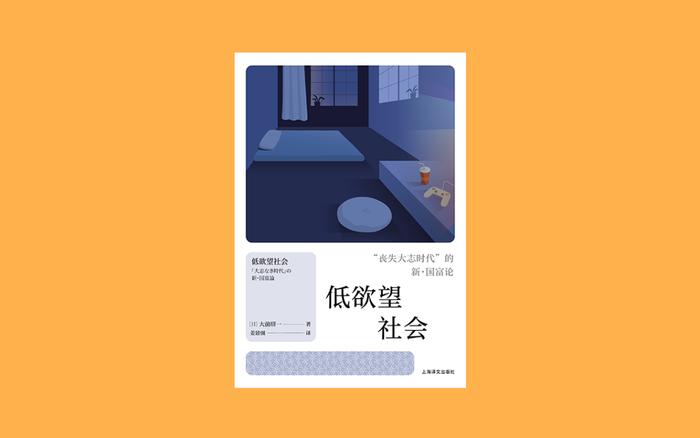
Group 1 - The core viewpoint of the articles highlights a significant shift in consumer behavior, particularly among younger generations, moving away from credit cards towards alternative payment methods like "Huabei" and "Baitiao" [1][2] - Recent data indicates that 14 banks experienced a reduction of 200 billion yuan in credit card balances in the first half of the year, reflecting a decline in credit card usage among young consumers [1] - The decline of credit cards is not merely a case of obsolescence but represents a broader cultural shift towards more rational and self-controlled spending habits [1][2] Group 2 - The concept of a "low-desire society" is introduced, where reduced consumer desire is seen as a response to societal pressures and anxieties, suggesting that finding a balance between instant gratification and rational planning is crucial [2][5] - The articles suggest that the financial tools available reflect lifestyle choices, with credit cards representing a previous generation's approach to spending, while newer methods align with contemporary values of control and sustainability [1][2]

反AI"伤脑"论——使用AI会让人变弱智?
3 6 Ke· 2025-08-05 07:11
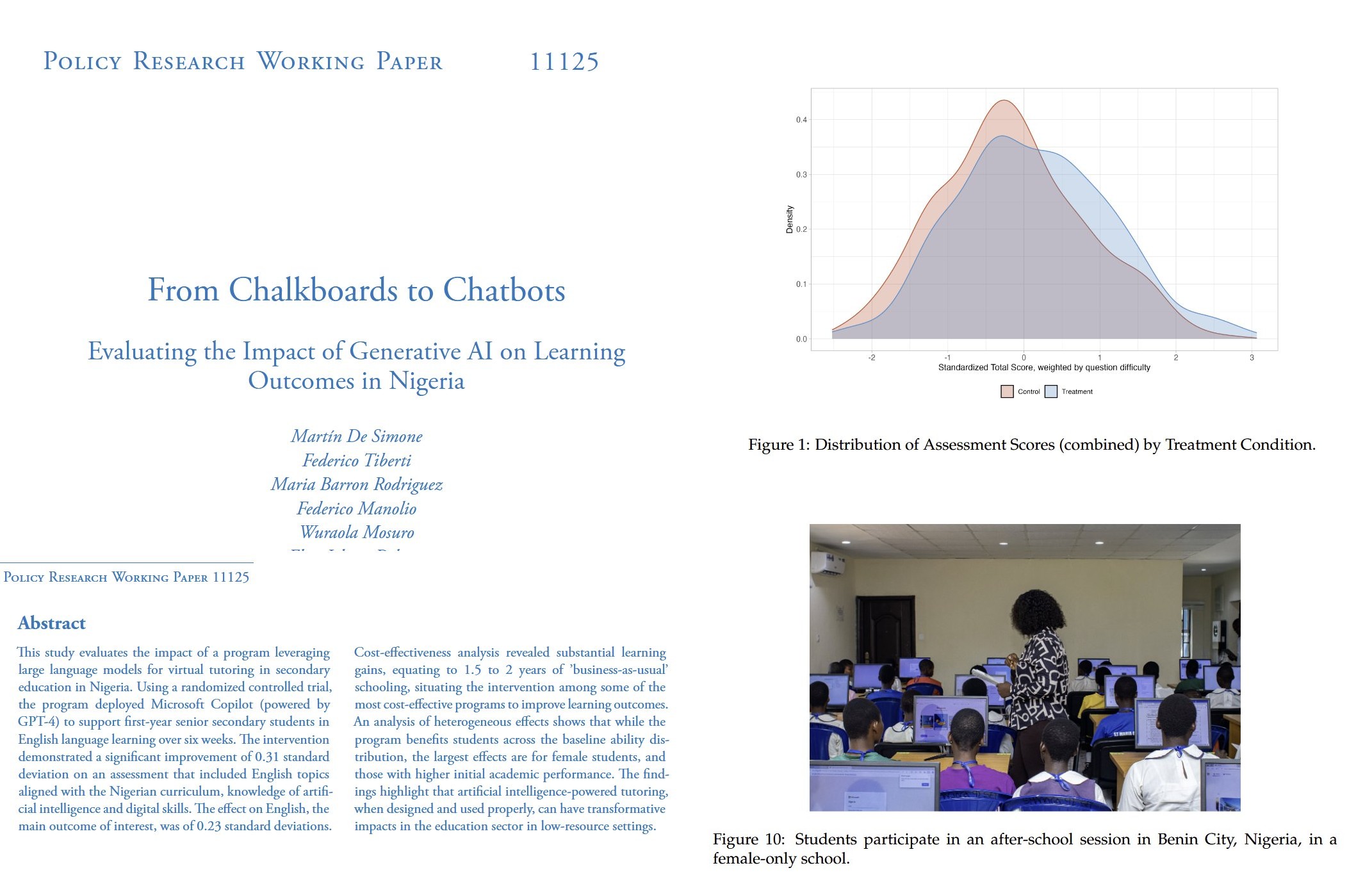
Core Insights - The article discusses the dual potential of AI to either enhance or impair human cognitive abilities, emphasizing that the impact of AI depends on how it is utilized [1][2][21]. Group 1: AI's Impact on Learning - Research from MIT indicates that students using ChatGPT showed lower engagement and retention of information, resulting in a 17% lower score in exams compared to those who did not use AI [2][5]. - A study in Nigeria demonstrated that AI, when guided by teachers and used with effective prompts, can significantly improve learning outcomes, outperforming traditional educational interventions [5][8]. - The article highlights the importance of using AI as a learning facilitator rather than a direct answer provider to avoid bypassing critical thinking and learning processes [2][8]. Group 2: AI's Influence on Creativity - AI has outperformed a majority of humans in creativity tests, with GPT-4 surpassing 91% of human participants in certain assessments [9][10]. - Despite its superior performance, AI-generated ideas often lack diversity and can lead to a homogenization of creative outputs, necessitating careful management of how AI is used in creative processes [9][10]. - The article suggests that optimizing prompts can enhance the diversity of AI-generated ideas, although human input remains crucial for unique perspectives [10][12]. Group 3: AI in Team Collaboration - AI's role in team settings can either hinder or enhance collective intelligence, with the potential for AI to summarize meetings leading to reduced engagement and interaction among team members [19][20]. - The article proposes using AI as a facilitator in meetings to guide discussions and extract valuable insights, rather than replacing human interaction [19][20]. - Effective use of AI in collaborative environments requires a focus on enhancing human interaction rather than substituting it [20][21].