青春戏曲

Search documents
越剧婺剧“青春化”突围 浙江绍剧如何应变?
Zhong Guo Xin Wen Wang· 2026-01-14 00:02
Core Viewpoint - The article discusses the challenges and innovations faced by Shaoxing opera (Shaoju) in the context of competition from other Zhejiang operas, particularly Wuju, which has gained popularity through innovative adaptations of classic stories like "The Monkey King Battles the White Bone Spirit" [2][10]. Group 1: Traditional Opera and Innovation - Shaoju, recognized as a national intangible cultural heritage, is characterized by its vigorous singing style and dynamic performances, particularly excelling in martial arts [3][4]. - The adaptation of "The Monkey King Battles the White Bone Spirit" has historically been a classic for Shaoju, but its recent reinterpretation by Wuju has raised concerns about the preservation and evolution of traditional art forms [2][4]. - The necessity for innovation in traditional opera is emphasized, with the idea that cultural heritage must evolve to remain relevant and vibrant in contemporary society [2][12]. Group 2: Cross-Disciplinary Collaborations - Collaborations between traditional opera and other art forms, such as symphonic music, have been explored, exemplified by the integration of Shaoju elements into a symphony by composer Ye Xiaogang [5][6][7]. - The blending of Shaoju's traditional elements with modern genres, such as rock music, has been considered but faced challenges due to funding and skepticism within the artistic community [8]. Group 3: Audience Engagement and Cultural Shift - The rise of Wuju highlights a shift in audience preferences, particularly among younger demographics, necessitating a reevaluation of how traditional operas engage with contemporary culture [10][11]. - The use of digital platforms and social media is identified as a crucial strategy for traditional operas to reach broader audiences and break down cultural barriers [12]. - The development of new talent and the establishment of initiatives like the "Youth Opera" brand aim to attract younger audiences while maintaining the essence of traditional art forms [16]. Group 4: Future Directions - Shaoju is actively developing its classic IP, such as "The Monkey King," into various formats like comics and children's theater to engage wider audiences [14]. - The Zhejiang provincial government is promoting a series of performances and events to showcase the innovation and transmission of opera, with a focus on youth participation [16].
且以新意共远方
Hang Zhou Ri Bao· 2026-01-13 02:57
Core Insights - Hangzhou's cultural industry is experiencing significant growth, particularly in the areas of online literature, web series, and online games, collectively referred to as the "new three items" of culture, which are gaining global popularity and recognition [2][3] - The city has established itself as a leader in cultural exports, with 31 key enterprises and 9 projects recognized during the "14th Five-Year Plan" period, and a total of 688 web series approved for distribution, showcasing its dominance in the national market [2][3] - The introduction of supportive policies and initiatives aims to enhance the quality and international reach of Hangzhou's cultural products, further solidifying its position as a cultural hub [3][4] Cultural Export and Innovation - The game "Black Myth: Wukong" exemplifies the successful internationalization of Chinese IP, generating 9 billion yuan in revenue from a 300 million yuan investment, marking a significant milestone for Hangzhou's cultural industry [3] - The city is transitioning from merely exporting cultural products to developing a comprehensive cultural ecosystem that emphasizes value resonance and deep cultural experiences [3][10] - Hangzhou's commitment to long-term strategies and technological innovation is expected to drive the cultural industry forward, integrating AI and other technologies into the cultural export process [3][11] Reading Culture - The promotion of reading in Hangzhou has gained momentum, with various initiatives and events aimed at enhancing public engagement with literature, culminating in the implementation of the "National Reading Promotion Regulations" [6][8] - The establishment of new reading spaces and community engagement activities reflects a shift towards fostering a culture of quality reading, moving beyond mere book consumption [6][7] - The new regulations are set to provide a legal framework for promoting reading, ensuring that resources are allocated to support grassroots reading initiatives [8] New Cultural Landmarks - The opening of new cultural landmarks, such as the iQIYI (Hangzhou) Park, is expected to attract significant visitor traffic and enhance the city's cultural tourism landscape [9][10] - The integration of technology and immersive experiences in new cultural projects aims to create lasting impressions on visitors, transforming their experiences from mere "check-ins" to meaningful engagements with the city [10][11] - The focus on creating a blend of historical and modern attractions is designed to enhance the overall visitor experience, ensuring that cultural tourism in Hangzhou remains competitive and appealing [10][11] Youth and Traditional Arts - The rise of "youth opera" in Hangzhou reflects a broader trend of revitalizing traditional arts through innovative performances and the involvement of younger artists [12][13] - Events such as the Zhejiang Youth Opera Actor Competition highlight the growing participation of young talent in traditional arts, indicating a shift towards a younger audience demographic [12][13] - The successful integration of modern elements into traditional performances aims to attract new audiences and ensure the sustainability of traditional arts in the contemporary cultural landscape [13][14]
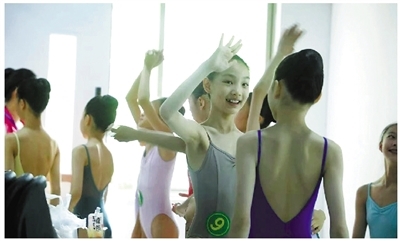
“青春戏曲”在考场掀起风暴
Hang Zhou Ri Bao· 2025-05-07 03:06
Group 1 - The Zhejiang Art Vocational College has seen a record number of applicants for its 2025 enrollment exam, with a total of 5,310 candidates, marking a historical high [2] - The college plans to enroll 150 students for a six-year vocational program, 76 for a three-year program, and 280 for a five-year integrated program, covering 17 different majors including traditional Chinese opera [2] - The opera performance major has gained significant popularity, with high competition rates in order classes, such as a 17:1 admission ratio for the Shaoxing Xiaobaihua Yue Opera Art Inheritance Center [2] Group 2 - The opera performance major is a strong suit for the college, which has collaborated with over 20 professional troupes to develop a unique training path for "Zhejiang opera talents" [3] - Recent successful productions and young performers from the college have sparked a "youth storm" in Zhejiang opera, influencing many applicants [3] - The college aims to transform "youth opera" into a distinctive cultural brand for Zhejiang, emphasizing a modern approach to traditional art forms [3]