
靖国神社问题

Search documents
新华时评:高市“营造环境”论居心险恶
Xin Hua She· 2026-02-12 04:47
Group 1 - The core viewpoint of the articles highlights the dangerous implications of Japanese Prime Minister Suga Yoshihide's efforts to create an environment for visiting the Yasukuni Shrine, which symbolizes Japan's militaristic past and its historical injustices [1][2] - The Yasukuni Shrine is not merely a religious site but a symbol of Japan's militarism, housing the spirits of 14 Class-A war criminals responsible for severe atrocities during World War II, including the Nanjing Massacre and the use of comfort women [1][2] - The issue surrounding the Yasukuni Shrine is a significant political matter that reflects Japan's ability to confront its invasion history and respect the sentiments of affected Asian nations [1][2] Group 2 - Japanese right-wing forces have long attempted to revise history, promoting a distorted view that frames Japan's invasions as self-defense and liberation efforts, which undermines historical accountability [2] - The obsession of Japanese right-wing politicians with the Yasukuni Shrine is linked to their broader military provocations, including the push for new security laws and increased defense budgets, indicating a desire to escape post-war constraints [2] - The historical accountability regarding the Yasukuni Shrine is non-negotiable, and any challenges to this issue by Japanese right-wing forces will likely worsen relations with neighboring countries and isolate Japan internationally [2][3]
新华时评|高市“营造环境”论居心险恶
Xin Hua She· 2026-02-12 02:06
Core Viewpoint - The statements made by Japanese Prime Minister Sanae Takaichi regarding the creation of an environment for visiting the Yasukuni Shrine reflect a disregard for historical justice and reveal the sinister intentions of Japanese right-wing forces to revive militarism [1][2] Group 1: Historical Context - The Yasukuni Shrine is not merely a religious site but a symbol and tool of Japanese militarism, honoring 14 Class A war criminals responsible for severe atrocities during Japan's invasions, including the Nanjing Massacre and the forced recruitment of "comfort women" [1] - The issue surrounding the Yasukuni Shrine is a significant political matter that pertains to Japan's ability to correctly acknowledge and address its history of invasion, respect the sentiments of affected Asian nations, and adhere to basic international relations principles [1] Group 2: Political Implications - The right-wing forces in Japan have long attempted to distort historical narratives, promoting a "Yasukuni view of history" that denies invasion history and glorifies colonial rule, framing Japan's invasions as "self-defense" and "liberation wars" for Asian nations [2] - The obsession of Japanese right-wing politicians with the Yasukuni Shrine is intertwined with recent provocations in Japan's military security policies, including the passage of new security laws and significant increases in defense budgets, indicating a desire to escape post-war constraints [2] Group 3: International Relations - The ongoing challenges posed by Japanese right-wing forces regarding the Yasukuni Shrine will likely worsen relations with neighboring countries and further isolate Japan in the international community [2] - This year marks the 80th anniversary of the Tokyo Trials, emphasizing the need for Japan to confront and reflect on its invasion history, particularly regarding sensitive historical issues like the Yasukuni Shrine [2]
新华时评丨高市“营造环境”论居心险恶
Xin Hua She· 2026-02-11 12:34
Group 1 - The core viewpoint of the articles highlights the dangerous implications of Japanese Prime Minister Suga Yoshihide's efforts to create an environment conducive to visiting the Yasukuni Shrine, which symbolizes Japan's militaristic past and its historical injustices [1][2] - The Yasukuni Shrine is not merely a religious site but a symbol of Japan's militarism, housing the spirits of 14 Class-A war criminals responsible for atrocities during Japan's invasions, including the Nanjing Massacre and the forced recruitment of "comfort women" [1][2] - The issue surrounding the Yasukuni Shrine is a significant political matter that reflects Japan's ability to confront its invasion history, respect the sentiments of affected Asian nations, and adhere to basic international relations principles [1][2] Group 2 - Japanese right-wing forces have long attempted to revise history, promoting a distorted view that frames Japan's invasions as "self-defense" and "liberation" efforts, thereby undermining the true nature of its wartime actions [2] - The obsession of Japanese right-wing politicians with the Yasukuni Shrine is intertwined with their provocative actions in military security, including the passage of new security laws and significant increases in defense budgets [2] - The historical accountability regarding the Yasukuni Shrine is non-negotiable, and any continued challenges to this issue by Japanese right-wing forces will likely worsen relations with neighboring countries and isolate Japan in the international community [2]
牛弹琴:这样参拜靖国神社,高市真想多了
Xin Lang Cai Jing· 2026-02-09 23:57
Core Viewpoint - The future of China-Japan relations is pessimistic, with multiple potential flashpoints, particularly regarding the visits to Yasukuni Shrine by Japanese politicians like Sanae Takaichi, which symbolize Japan's militaristic past and provoke strong reactions from neighboring countries [2][17]. Group 1: Takaichi's Intentions and Statements - Takaichi Sanae has expressed a desire to visit Yasukuni Shrine, a site that honors war criminals, indicating a lack of concern for the reactions from China, South Korea, and North Korea [18][19]. - In a recent interview, Takaichi stated she is working to create a favorable environment for visiting Yasukuni Shrine, aiming to gain understanding from allies and neighboring countries [20][21]. - There is speculation that Takaichi may eventually visit the shrine, driven by either a boost in confidence from recent electoral victories or as a strategy to consolidate her political position amid challenges [4][12][34]. Group 2: International Reactions and Historical Context - The Chinese Foreign Ministry has condemned the idea of visiting Yasukuni Shrine, emphasizing that it represents Japan's militaristic aggression and the need for Japan to reflect on its historical actions, especially in light of the 80th anniversary of the Tokyo Trials [6][23][31]. - The notion of creating a favorable environment for such visits is dismissed as unrealistic, as neighboring countries will not accept visits to Yasukuni Shrine as a form of historical reflection [10][27][28]. - The historical context is critical, as the shrine honors individuals responsible for wartime atrocities, making any visit a contentious issue that could exacerbate regional tensions [30][38]. Group 3: Political Implications and Risks - Takaichi's potential visit to Yasukuni Shrine could further inflame nationalist sentiments in Japan, potentially increasing her support among right-wing factions [12][34]. - The political landscape in Japan is shifting towards the right, with warnings from former Prime Minister Shigeru Ishiba about the implications of unchecked political power and the risks associated with provocative actions like shrine visits [14][37]. - The consequences of such actions could lead to significant geopolitical instability, reminiscent of Japan's aggressive past, raising concerns about the direction of Japanese politics and its implications for regional security [15][38].

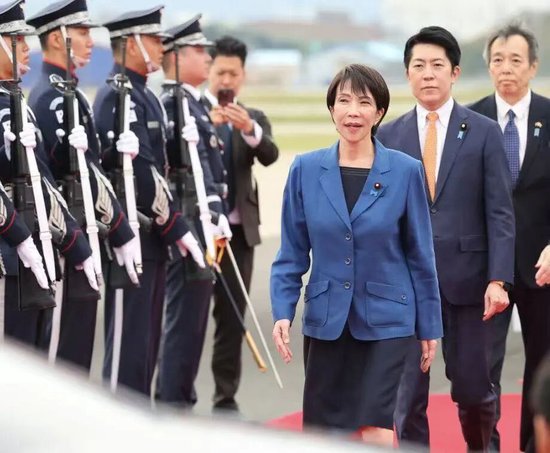
高市早苗计划参拜靖国神社,中方回应
Ren Min Ri Bao· 2026-02-09 10:04
Group 1 - The core viewpoint of the article emphasizes the significance of Japan's historical recognition and the implications of the Yasukuni Shrine, which symbolizes militarism and honors war criminals [1] - The spokesperson urges Japan to reflect on its militaristic past, especially in the context of the 80th anniversary of the Tokyo Trials, and to avoid repeating historical mistakes [1] - The article highlights the need for Japan's new government under Suga to adhere to the four political documents between China and Japan and to pursue a path of peaceful development [1][2] Group 2 - The article mentions that China's stance on Japan remains consistent and stable, regardless of the outcomes of Japanese elections [2] - It asserts that China does not interfere in Japan's internal affairs and expects Japan to respect international laws and obligations [2]
高市早苗计划参拜靖国神社,中方回应
21世纪经济报道· 2026-02-09 08:09
Group 1 - The core viewpoint of the article emphasizes the importance of Japan recognizing and reflecting on its militaristic history, particularly regarding the Yasukuni Shrine, which symbolizes Japan's militarism and honors war criminals [1] - The article highlights that the recent Japanese elections reflect deeper structural issues and trends that warrant reflection from both Japan and the international community [1] - The Chinese government maintains a stable and continuous policy towards Japan, which will not change due to the outcomes of a single election [1] Group 2 - The Chinese government urges Japan to adhere to the four political documents between China and Japan and to follow a path of peaceful development [1] - There is a warning against the extreme right-wing forces in Japan misjudging the situation, as this could lead to resistance from the Japanese people and backlash from the international community [1] - The Chinese government asserts that it does not interfere in Japan's internal affairs and opposes any actions that violate China's core interests or disrupt regional peace [1]
高市早苗声称营造参拜靖国神社的环境,中方回应
Xin Lang Cai Jing· 2026-02-09 07:58
Group 1 - The core viewpoint of the article emphasizes that the Yasukuni Shrine symbolizes Japan's militaristic past and the need for Japan to reflect on its history of aggression, particularly in light of the 80th anniversary of the Tokyo Trials [1] - The spokesperson from the Chinese Foreign Ministry, Lin Jian, stated that forgetting history equates to betrayal, and denying responsibility could lead to repeating past mistakes, urging Japan to act cautiously regarding historical issues like the Yasukuni Shrine [1] - Expert Da Zhigang noted that Prime Minister Kishi Sanae has not visited the shrine since taking office, but this does not indicate a shift in her right-wing stance; rather, it reflects a strategic choice based on timing and public sentiment [2]
高市早苗计划参拜靖国神社,中方回应
财联社· 2026-02-09 07:51
Core Viewpoint - The article emphasizes the importance of Japan's acknowledgment and reflection on its militaristic history, particularly regarding the Yasukuni Shrine, which symbolizes Japan's wartime aggression and houses the spirits of war criminals [2]. Group 1 - The Yasukuni Shrine is described as a spiritual tool and symbol of Japanese militarism that played a role in initiating foreign invasions [2]. - The essence of the Yasukuni Shrine issue revolves around whether Japan can correctly recognize and deeply reflect on its history of militaristic aggression, which is crucial for human conscience and the political foundation of China-Japan relations [2]. - The article highlights that forgetting history equates to betrayal, and denying culpability could lead to repeating past mistakes [2]. Group 2 - This year marks the 80th anniversary of the Tokyo Trials, making it a significant time for Japan to confront and reflect on its history of invasion [2]. - The article calls for Japan to exercise caution in its actions and statements regarding major historical issues, such as the Yasukuni Shrine, to avoid repeating the mistakes of the past [2].

外交部:日本应在靖国神社等重大历史问题上谨言慎行
Yang Shi Xin Wen· 2026-02-09 07:32
Core Viewpoint - The statement emphasizes the significance of Japan's acknowledgment and reflection on its militaristic history, particularly regarding the Yasukuni Shrine, which symbolizes Japan's militarism and honors war criminals [1] Group 1: Historical Context - The Yasukuni Shrine is described as a spiritual tool and symbol of Japanese militarism that commemorates 14 Class A war criminals responsible for aggressive wars [1] - This year marks the 80th anniversary of the Tokyo Trials, highlighting the importance of Japan confronting its historical actions [1] Group 2: Political Implications - The issue surrounding the Yasukuni Shrine is linked to Japan's ability to correctly recognize and deeply reflect on its militaristic past, which is crucial for human conscience and the political foundation of China-Japan relations [1] - The statement warns that forgetting history equates to betrayal, and denying responsibility could lead to repeating past mistakes [1] Group 3: Call to Action - Japan is urged to be cautious and prudent regarding significant historical issues, particularly in the context of the Yasukuni Shrine, to avoid repeating the errors of the past [1]
外交部:赞赏俄方有关表态
Xin Jing Bao· 2025-12-26 07:37
Core Viewpoint - The Chinese Foreign Ministry appreciates Russia's criticism of Japan's potential visit to the Yasukuni Shrine, emphasizing the need for Japan to confront its militaristic past and show respect for victims of its wartime actions [1] Group 1 - The Yasukuni Shrine honors 14 Class-A war criminals from World War II, symbolizing Japanese militarism and its aggressive wars [1] - This year marks the 80th anniversary of the victory of the Chinese people in the War of Resistance against Japan and the global anti-fascist war, highlighting the historical significance of the issue [1] - The Chinese government urges Japan to acknowledge and reflect on its history of aggression, advocating for actions that demonstrate repentance for militaristic crimes [1]