
靶向蛋白降解(TPD)

Search documents
不投教授?上海153家教授创业公司狂揽68亿
3 6 Ke· 2025-11-12 01:08
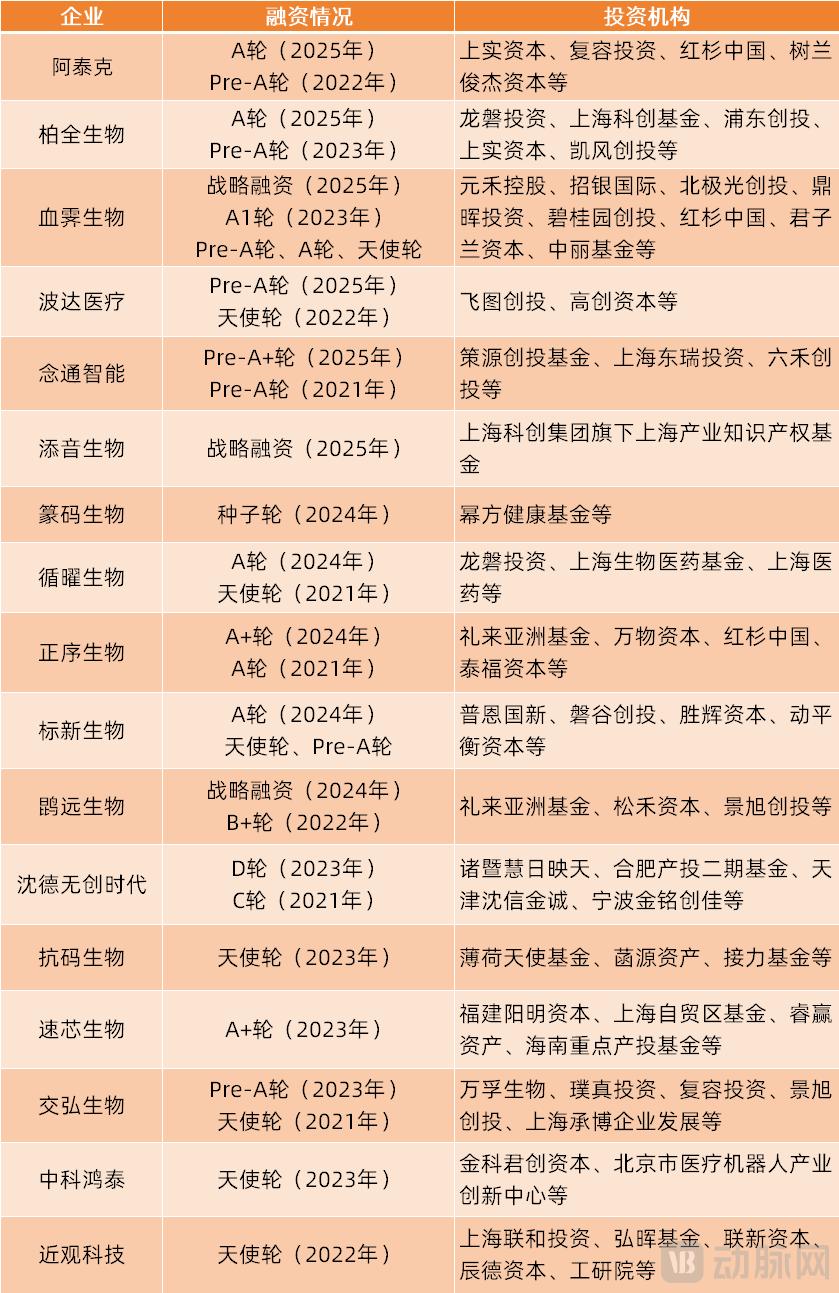
Core Insights - Recent trends show a decline in investor interest in professor-led entrepreneurial projects, despite a significant increase in the number of startups founded by researchers in Shanghai, which reached 153 companies with total financing exceeding 6.8 billion yuan in 2024 [1][2] - The contradiction between cooling investment enthusiasm and the ongoing success of research commercialization raises questions about the future of professor-led startups and the criteria for attracting investor support [1][2] Investment Trends - Investors are increasingly cautious about funding professor-led startups due to past failures attributed to personal factors, such as professors returning to academia or lacking full commitment to their ventures [1][2] - The shift in investor sentiment follows a previous trend where investors actively sought out professors to encourage entrepreneurship, leading to many projects being established under pressure [2] Successful Case Studies - Despite failures, several medical startups founded by researchers have successfully secured funding, including companies like Atake, Baiquan Bio, and Xueji Bio, which completed financing rounds in 2025 [2][3] - Notable examples include Xueji Bio, founded by Dr. Zhu Fangfang, who leveraged her venture capital experience to guide the company through multiple funding rounds, achieving significant milestones in clinical trials [4][5] Founding Team Characteristics - Successful startups often feature founders with prior entrepreneurial or commercialization experience, which enhances their appeal to investors [4][6] - Teams composed of top scientists and seasoned industry professionals are more likely to attract investment, as seen in companies like Baiquan Bio and Zhengxu Bio [6][7] Market Opportunities - The targeted protein degradation (TPD) sector has seen a surge in investment, with companies like Atake and Dage Bio successfully raising funds and advancing their pipelines [13][14] - The brain-computer interface sector is also gaining traction, with multiple companies completing financing rounds amid growing interest from investors [14] Evolving Investment Strategies - Investment institutions are adapting by focusing on the strengths of founding teams rather than solely on the academic credentials of professors, leading to a more balanced approach in evaluating potential investments [16][17] - Collaborative efforts among incubators, technology transfer offices, and industry leaders are creating supportive environments for researchers aiming to commercialize their innovations [15][16]


百时美施贵宝:如何领跑诺奖后的肿瘤治疗新叙事?
2 1 Shi Ji Jing Ji Bao Dao· 2025-10-16 07:55
Core Insights - The article emphasizes the significance of the five-year survival rate in cancer treatment, serving as a benchmark for therapy effectiveness and a hopeful target for patients [1] - The advancements in immunotherapy, particularly through the contributions of Nobel Prize-winning research, have opened new avenues for cancer treatment, making the five-year survival goal increasingly attainable [1][2] Group 1: Immunotherapy Developments - Bristol-Myers Squibb (BMS) has been a pioneer in immunotherapy, significantly impacting cancer treatment paradigms in China over the past five years [3] - The CheckMate series of studies has laid the foundation for current immunotherapy practices, with notable achievements in clinical research and treatment expansion [1][3] Group 2: Focus on Gastrointestinal Tumors - BMS has targeted gastrointestinal tumors, which have high incidence rates in China, addressing unmet clinical needs and achieving significant breakthroughs, such as the CheckMate-649 study [4] - The CheckMate-649 study has provided long-term survival data, indicating that five-year survival is now a realistic goal for many patients with advanced gastric cancer [4] Group 3: Expanding Treatment Applications - BMS has explored the role of immunotherapy in early-stage cancer, with four early tumor indications approved for nivolumab in China, leading the PD-1 inhibitor market [5] - The CheckMate-816 study has transformed early-stage non-small cell lung cancer treatment, demonstrating the effectiveness of the "immunotherapy + chemotherapy" approach [5] Group 4: Innovative Treatment Strategies - The introduction of the "dual immunotherapy" approach, combining nivolumab and ipilimumab, represents a significant advancement in treatment strategies [6] - BMS has achieved breakthroughs in various cancer types, including rare tumors and colorectal cancer, establishing new treatment standards [6] Group 5: Long-term Evidence and Standards - BMS has committed to long-term follow-up studies, reinforcing the five-year survival rate as a gold standard in cancer treatment [7] - Studies like CheckMate-649 and CheckMate-816 have provided robust evidence supporting the efficacy of immunotherapy, enhancing clinical decision-making [7] Group 6: Accessibility Initiatives - BMS has focused on improving patient access to innovative therapies through collaborations with commercial insurance and patient assistance programs [9][10] - The company has initiated projects to support low-income patients, significantly reducing their financial burden [9] Group 7: Future Directions - BMS aims to continue its commitment to scientific innovation and local needs, planning to introduce more first-in-class and best-in-class products in the next five years [12] - The company is exploring new therapeutic combinations and expanding its pipeline to address treatment challenges in cancer [13][14] Group 8: Global Integration - BMS is positioning itself to leverage Chinese clinical data for global research, ensuring that new therapies are relevant to local patient populations [17] - The company’s strategy includes enhancing collaboration between local and global research efforts to drive innovation [17] Group 9: Commitment to Long-term Goals - BMS has demonstrated a strong commitment to improving cancer treatment outcomes in China, with a focus on achieving long-term survival for patients [18] - The company’s ongoing efforts align with the broader goal of contributing to a healthier China by 2030 [18]
