韩美利差套利

Search documents
韩元跌跌不休,贬值压力拖累经济增长,韩国GDP规模、增速、人均全面下滑
3 6 Ke· 2026-01-22 08:40
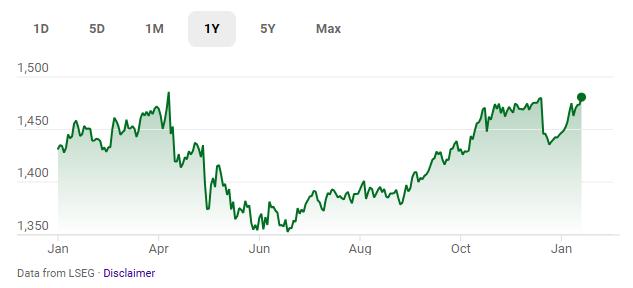
Core Viewpoint - The South Korean won has been depreciating against the US dollar, reaching around 1,470 won per dollar, close to its lowest level since the 2009 global financial crisis, with a cumulative decline of over 2% this year, making it one of the worst-performing Asian currencies [1][3] Economic Impact - The average exchange rate of the won against the dollar for 2025 is projected to be 1,422.16, marking the lowest level since the 1998 Asian financial crisis, with a significant drop in GDP growth rates [1][3][21] - The GDP growth rate for 2025 is expected to be between 1% and 1.15%, the lowest since 2020, with a contraction in dollar-denominated GDP by approximately 3.8% [3][21][23] External Factors - The depreciation of the won is driven by multiple external factors, including interest rate differentials between the US and South Korea, trade impacts, and a reshaping of the global currency landscape [5][6] - The interest rate differential, with the US Federal Reserve maintaining rates between 3.5% and 3.75% while the Bank of Korea has lowered rates to 2.5%, has led to significant capital outflows, particularly towards US assets [6][8] Trade Dynamics - The US's structural adjustments in trade policy have weakened the won's support, with a notable slowdown in exports from key sectors like semiconductors and electric vehicles [6][9] - The current account surplus has narrowed, further exacerbating the depreciation pressure on the won [6] Internal Structural Issues - The capital outflow from South Korea has shifted from short-term speculative to long-term strategic investments, particularly in the US, which has created a rigid outflow trend [10][11] - Domestic investment has been significantly suppressed due to the capital outflow and currency depreciation, with many companies planning to reduce local investments [18][19] Inflationary Pressures - The depreciation of the won has led to increased import costs, contributing to inflation, with the Consumer Price Index (CPI) showing a year-on-year increase of 2.3% in December 2025 [16][18] - The rising costs of energy and raw materials have particularly affected low-income households, highlighting the structural challenges in managing inflation [16] Future Outlook - The market anticipates a "short-term stabilization and long-term pressure" scenario for the won in 2026, with the government aiming to maintain the exchange rate between 1,400 and 1,450 won per dollar [27][28] - Economic recovery in 2026 is projected, with GDP growth expected to rebound to between 1.9% and 2.1%, driven by a recovery in the semiconductor sector and global AI capital expenditures [27][28]