颜值革命

Search documents
何帆:我为什么要研究“颜值革命”?里面藏着中国经济韧性的秘密【问诊2026中国经济】
Xin Lang Cai Jing· 2026-02-12 11:17
Core Viewpoint - The article discusses the transformation of the Chinese economy from a traditional growth model to an innovation-driven one, highlighting the emergence of the "aesthetic economy" where product aesthetics play a crucial role in consumer preferences during economic downturns [1][2][4]. Group 1: Economic Transformation - The shift from a "material generation" focused on GDP and tangible assets to a "spiritual generation" that values self-expression and enjoyment of life is noted, particularly among younger consumers [1][7]. - The "aesthetic economy" is seen as a response to economic slowdowns, where consumers prioritize the beauty and emotional value of products [2][11]. - The observation that economic downturns can lead to increased leisure time, prompting consumers to seek ways to enhance their quality of life through aesthetically pleasing products [11][12]. Group 2: Consumer Behavior - Young consumers are increasingly rejecting traditional luxury goods in favor of brands that offer aesthetic appeal and personal expression, such as Uniqlo and Muji [19][17]. - The rise of "deep self-indulgence" entrepreneurship is highlighted, where entrepreneurs create products based on personal passions and interests, catering to niche markets [27][30]. - The article emphasizes the growing importance of aesthetic value in consumer products, with a notable increase in the public's overall aesthetic awareness and capability [14][36]. Group 3: Industry Implications - The article points out that industries such as fitness, home decor, and lifestyle products are thriving during economic slowdowns, as consumers invest in improving their living environments [11][14]. - The importance of design and aesthetics in manufacturing is underscored, with companies that prioritize these aspects gaining competitive advantages [32][34]. - The emergence of brands that successfully combine high-quality design with practical functionality is seen as a key trend in the evolving market landscape [36][33]. Group 4: Future Outlook - The article suggests that the future of the Chinese economy will increasingly rely on the creative capabilities of younger generations, who are expected to drive innovation and aesthetic trends [20][26]. - The potential for a new global economic model is discussed, where Chinese companies may lead in creating supply chains that emphasize design and aesthetic value [40][41]. - The need for businesses to adapt to changing consumer preferences and the importance of aesthetic appeal in product development is emphasized as a critical factor for success in the current economic climate [36][34].

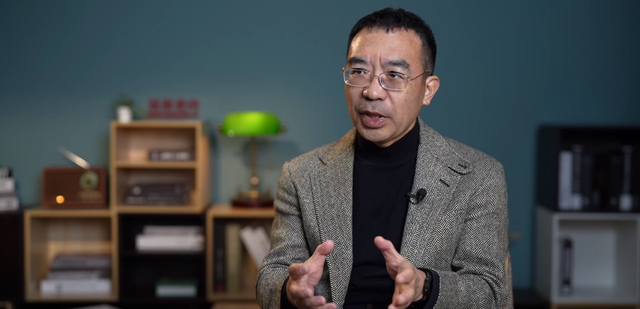
何帆开年演讲:这,是年轻人的红利!
Sou Hu Cai Jing· 2026-01-19 17:08
Core Insights - The central theme of the discussion revolves around the "Beauty Revolution" as a new approach to escape the phenomenon of "involution" in China, emphasizing the importance of aesthetic values in various industries and individual lives [4][18]. Group 1: Economic and Cultural Shifts - 2025 is identified as a pivotal year marked by significant changes, with a shift in the "offensive and defensive" dynamics in the economy [8][11]. - The emergence of DeepSeek, an AI model company, symbolizes a breakthrough in the tech landscape, challenging the notion that only Silicon Valley giants can dominate this field [9][10]. - Macro policies are expected to shift focus from security to domestic welfare and consumption, reflecting a more confident stance in policy-making [12][14]. Group 2: The Aesthetic Revolution - The "Beauty Revolution" is presented as a response to the overwhelming pressures of competition and the desire for a better quality of life [18][20]. - Aesthetic values are seen as essential skills and core competitive advantages for individuals and businesses in the future [5][48]. - The discussion highlights how different economic periods influence cultural trends, with the current focus on subcultures driven by youth and marginalized groups [22][30]. Group 3: Youth as Trendsetters - Young people are identified as the primary creators and drivers of cultural trends, with their aesthetic preferences shaping the future of beauty and lifestyle [34][36]. - The popularity of basic fashion items among youth reflects their growing confidence in personal style, moving away from reliance on luxury brands [37][38]. - Nostalgic trends, such as the Y2K style, indicate a desire to connect with the vibrancy of past economic upswings, rather than a literal return to those times [40][41]. Group 4: Business Opportunities in Aesthetic Values - The economic downturn presents unique opportunities for small and niche brands that understand and cater to specific lifestyle aesthetics [48][49]. - Examples of innovative products, such as wearable sleeping bags and designer thermoses, illustrate how aesthetic considerations can drive consumer interest and market success [55][56]. - The case of Hoto, a design-focused tool brand, demonstrates how aesthetic improvements can disrupt traditional markets characterized by low differentiation [60][68]. Group 5: Changing Consumer Preferences - The hospitality industry is adapting to new consumer behaviors, with hotels evolving to meet the diverse needs of younger guests [70][76]. - Real estate developments are shifting from merely selling properties to offering lifestyle experiences, as seen in the case of the "Tangu" project [78][90]. - The integration of art and culture into rural areas is transforming local economies and attracting younger populations, enhancing the vibrancy of these communities [100][106]. Group 6: The Role of Aesthetics in Competitiveness - Aesthetic sensibility is becoming a crucial competitive edge in various industries, as businesses that embrace this shift can better connect with consumers [92][112]. - The trend of "urban nomads" highlights the need for cities to adapt to transient populations, focusing on creating environments that foster creativity and community [109][111].