餐饮品牌供应链转型

Search documents
餐饮业集体进入“瘦身”时代
3 6 Ke· 2026-01-21 12:12
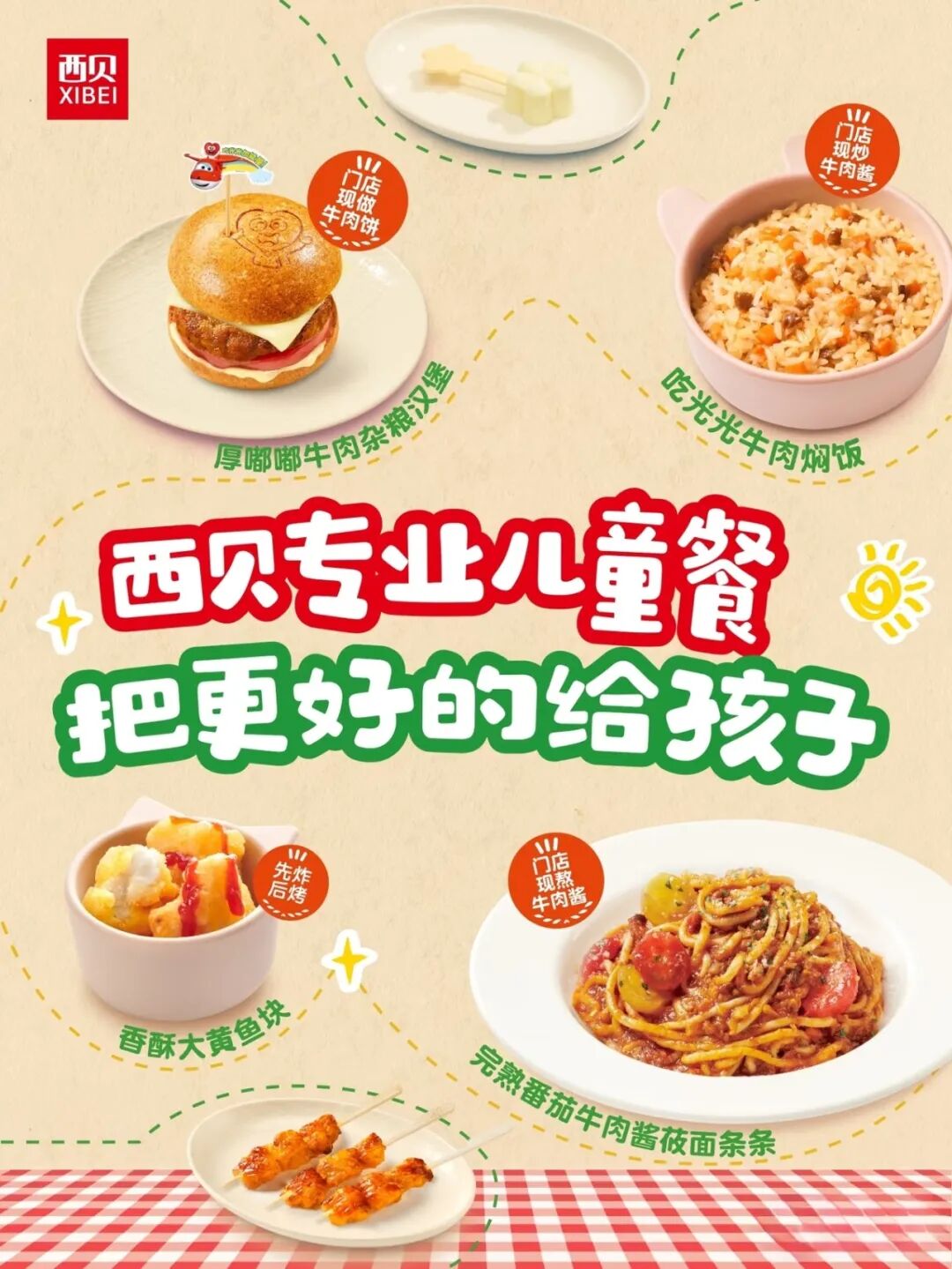
Core Insights - The future winners in the restaurant industry may not be the largest or most luxurious brands, but those closest to everyday life, with stable supply chains and high efficiency [16] Group 1: Industry Challenges - The restaurant industry is facing a mid-life crisis, forcing major players to choose between survival and maintaining a facade [3] - The underlying logic of the restaurant industry has dramatically changed in recent years, leading to a reevaluation of pricing and consumer expectations [4] - The previous model of high rent and premium pricing is failing as rational consumption takes hold [2][12] Group 2: Company Responses - Xibei has implemented measures to reduce costs, including withdrawing some food preparation processes from central kitchens and lowering menu prices by an average of 20% [2] - The company has also attempted to boost employee morale through salary increases and by promoting a "happy family restaurant" concept [2] - Despite these efforts, Xibei is undergoing significant downsizing, planning to close 102 stores as part of a cost-cutting strategy [2] Group 3: Market Trends - Consumer spending in first-tier cities has decreased, with average spending dropping from 120-180 yuan to a safer range of 60-80 yuan [8] - Brands are shifting from high-rent commercial spaces to community locations to reduce costs and attract customers [11] - Successful brands are focusing on supply chain efficiency and fresh ingredients, with examples like Salvia and Xiaocaiyuan optimizing their operations [9] Group 4: Strategic Shifts - Major players are diversifying their offerings and exploring new business models, such as Haidilao's "Red Pomegranate Plan," which includes launching multiple new brands [14] - Companies are evolving from traditional restaurant models to supply chain-focused operations, as seen with Xibei's new ventures into packaged food sales [16] - The industry's future may rely on brands that can effectively convert investments into quality ingredients, making dining experiences more practical and efficient [16]