《天龙八部》

Search documents
贪玩战略投资《天龙八部2》游戏研发商 斩获APP端大陆独家运营权
Zhi Tong Cai Jing· 2026-02-26 11:24
Group 1 - The core viewpoint of the news is that Jiangxi Tanwan has completed a strategic investment in the game development company of "Tianlong Babu 2: Feilong Zhantian" and obtained exclusive operating rights for the app version in mainland China [1][2] - Jiangxi Tanwan acquired a 35% stake in Shanghai Yuelong for RMB 15 million and paid RMB 30 million to the developer for exclusive operating rights [1] - The game is based on Jin Yong's classic martial arts novel and aims to provide an immersive experience with a vast open world and deep storyline [2] Group 2 - The acquisition is part of Jiangxi Tanwan's strategy to deepen its "premium IP + multi-terminal layout," enhancing its product matrix and competitiveness in the martial arts RPG segment [2] - The company has successfully operated and reserved several top martial arts IP resources, including "Tianlong Babu," "Xiao Ao Jiang Hu," and "She Diao San Bu Qu" [2] - The strategic investment allows Jiangxi Tanwan to extend its value chain from distribution to upstream development, solidifying its long-term supply of premium IP game products [3] Group 3 - Looking ahead, Jiangxi Tanwan aims to focus on "long-term operation of premium IP," promoting product diversification and global market expansion [4] - The company plans to strengthen its distribution and refined operation systems while deepening the integration of IP and user ecosystems [4] - The goal is to provide a more immersive gaming experience for global players and create sustainable, high-quality long-term returns for investors [4]

蒋欣坦言在表演上有野心:在舒适圈里待着,是飞不起来的
Xin Lang Cai Jing· 2026-02-21 14:10
Core Viewpoint - The article highlights actress Jiang Xin's ambition in her acting career, emphasizing her willingness to challenge herself by taking on diverse roles and stepping out of her comfort zone [1] Group 1: Career Development - Jiang Xin expresses that she has found her acting path through various roles, such as Mu Wanqing in "Demi-Gods and Semi-Devils," where she felt she had a breakthrough in her performance [1] - She actively sought the role of Hua Fei in "Empresses in the Palace," which she cherishes and feels she could approach differently if given another chance [1] - The actress acknowledges the complexity of her character, Fan Shengmei, in "Ode to Joy," stating that if she does not resonate with the character, it will not resonate with the audience [1] Group 2: Ambition and Challenges - Jiang Xin articulates her ambition in acting, stating that she continuously attempts different types of roles, accepting both positive feedback and criticism [1] - She believes that remaining in a comfort zone will hinder growth, asserting that challenging roles enhance her skills and make her performances more vibrant [1] - The actress emphasizes the importance of taking on difficult projects to achieve greater artistic expression and personal development [1]
“快”时代的“慢”公司:搜狐AB面背后的生存辩证法
3 6 Ke· 2026-01-21 10:07
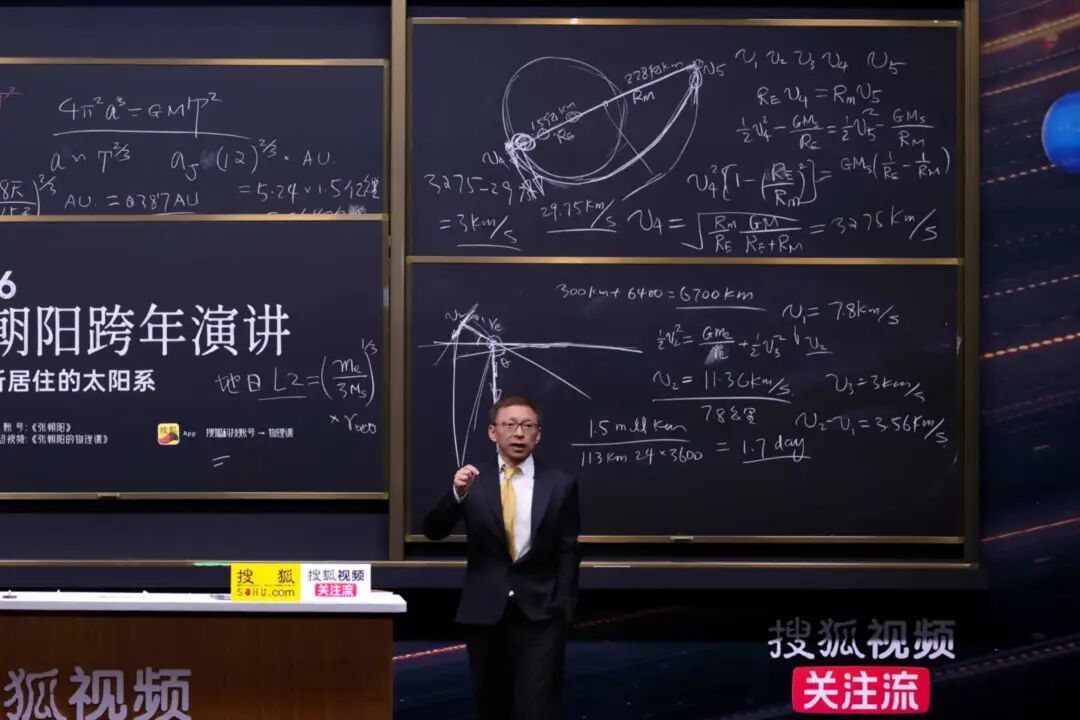
Core Viewpoint - Sohu is navigating a challenging transition from a traditional internet portal to a more interactive social ecosystem, heavily relying on its gaming IP for revenue while attempting to innovate through knowledge-based live streaming [1][3][18]. Group 1: Financial Performance - In Q3 2025, Sohu reported total revenue of $180 million, a 19% year-over-year increase, with online gaming revenue accounting for 90% of this figure at $162 million [3][4]. - The company achieved a net profit of $9 million, driven primarily by a 27% year-over-year growth in online gaming revenue, which saw a significant 53% increase quarter-over-quarter [3][4]. - The marketing services segment, once a core revenue source, generated only $14 million, reflecting a 27% decline year-over-year, indicating a shift in revenue reliance [3][7]. Group 2: Business Strategy and Challenges - Sohu's gaming revenue is predominantly supported by the classic IP "Tian Long Ba Bu," which has shown resilience but poses risks due to the heavy reliance on a single source for 90% of revenue [4][16]. - The mobile gaming segment is underperforming, with average monthly active users down 42% year-over-year and quarterly paying users dropping 72%, highlighting a critical need for new product development [4][16]. - Sohu's strategic pivot towards "Attention Flow" aims to rebuild user-creator relationships through genuine interactions, moving away from algorithm-driven content distribution [9][10]. Group 3: Leadership and Cultural Shift - Founder Zhang Chaoyang's personal journey of overcoming challenges has influenced Sohu's strategic direction, emphasizing a slow and deliberate transformation rather than a rush for quick gains [10][14]. - Zhang's active involvement in product development and user engagement through live streaming has become a hallmark of Sohu's new approach, focusing on deep content consumption based on real interests [12][14]. - The company's commitment to a "slow philosophy" reflects a long-term vision, prioritizing sustainable growth over immediate results, as articulated by Zhang [15][19]. Group 4: Future Outlook - Sohu's dual strategy of maintaining cash flow through gaming while exploring new avenues via "Attention Flow" represents a balanced approach to navigating market changes [18]. - The company is focusing on niche content areas and community engagement to differentiate itself in a crowded market, aiming to establish a unique position [17][19]. - Despite the challenges, Sohu's financial maneuvers, such as stock buybacks worth approximately $97 million, indicate confidence in its cash flow and long-term viability [15].


缺钱的港星,抢着来内地景区「捞金」
3 6 Ke· 2025-11-21 01:49
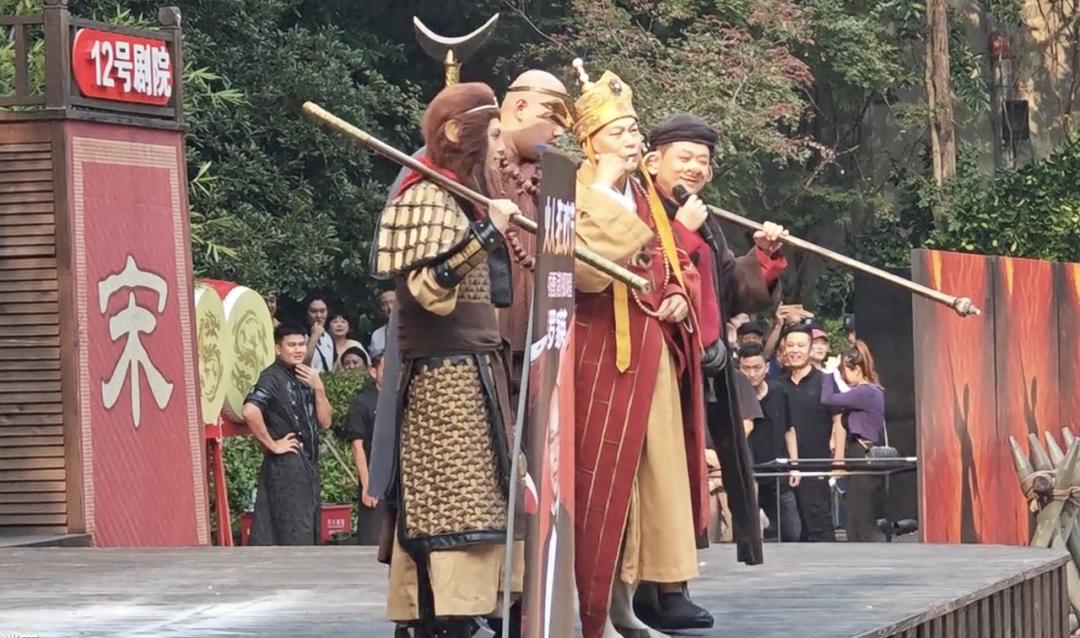
Core Viewpoint - The tourism industry is experiencing a trend where aging Hong Kong actors are taking on roles as interactive characters in various scenic spots, reflecting a shift in the entertainment landscape and the economic realities faced by these artists [1][20][48] Group 1: Industry Trends - Scenic spots are increasingly incorporating live performances and interactive experiences, with actors portraying iconic characters from popular culture [1][3] - The trend of older Hong Kong actors performing in scenic areas highlights a nostalgic connection for fans and a new form of employment for these artists [19][48] Group 2: Actor Experiences - Many actors, such as Ma Jingtao and Luo Jiaying, are revisiting their classic roles in scenic spots, showcasing their dedication despite the physical demands of the performances [5][9][19] - The phenomenon of actors working in scenic areas is seen as a return to their roots, where acting is viewed as a means of livelihood rather than just a glamorous profession [20][48] Group 3: Historical Context - The article discusses the historical context of Hong Kong's film industry, where many actors emerged from humble beginnings and faced economic challenges [20][29] - The efficiency and high-pressure environment of the past Hong Kong film industry shaped the work ethic of these actors, which continues to influence their current roles [44][46] Group 4: Cultural Reflection - The current trend of actors performing in scenic spots serves as a reflection of the changing dynamics in the entertainment industry, where traditional roles are evolving due to economic pressures [48] - The nostalgic performances resonate with audiences, evoking memories of the golden age of Hong Kong cinema while adapting to contemporary realities [19][48]
古装剧霸屏,「武侠」却没了
3 6 Ke· 2025-06-11 07:25
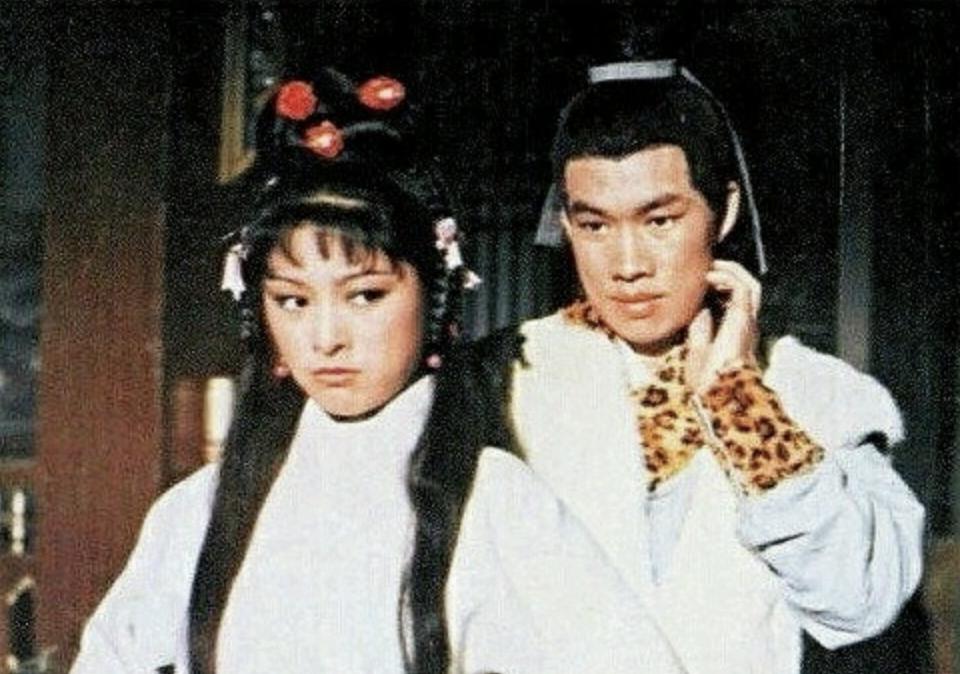
Group 1 - The article discusses the controversies surrounding the drama "Cang Hai Chuan" and its comparison to "Nirvana in Fire," highlighting a cultural disconnect in the current audience's preferences for ancient costume dramas [1] - The ancient costume drama market has shifted focus towards suspense and power struggles, while traditional martial arts dramas have become niche, indicating a significant change in content consumption [1] Group 2 - The history of martial arts dramas in China is traced back to the 1970s and 1980s, with significant contributions from Hong Kong production companies adapting works from famous authors like Jin Yong and Gu Long [2][4] - The 1983 version of "The Legend of the Condor Heroes" marked a turning point, achieving an average viewership rating of 60% and a peak rating of over 90%, indicating its immense popularity [4] - The 2000s were considered the "golden decade" for mainland martial arts dramas, with over a hundred productions, yet only 14 received ratings above 8 on Douban [11] Group 3 - The rise of fantasy dramas has overshadowed martial arts dramas, with "Xianjian Qixia Zhuan" being a notable example that achieved high ratings and shifted audience interest towards fantasy elements [12][14] - The decline of martial arts dramas is attributed to the oversaturation of adaptations and a lack of original content, leading to a dilution of the genre's appeal [18] - The emergence of female-centric narratives in fantasy dramas has further shifted audience preferences, leading to the development of ancient idol dramas [20] Group 4 - The production quality and audience expectations have evolved, with modern viewers demanding high visual effects and star power, which has made traditional martial arts dramas less viable [25][27] - The cultural significance of martial arts dramas is diminishing, as the ideals of chivalry and justice portrayed in these dramas do not resonate with contemporary societal values [30][31] - New interpretations of martial arts themes are emerging, blending elements of mystery and emotional growth, as seen in recent productions like "Xue Zhong Han Dao Xing" and "Lian Hua Lou" [28]
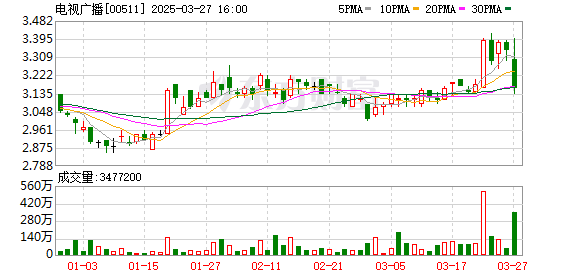
TVB业绩会现场释疑“止血”改革:成本砍15%、香港业务增收、大湾区拓展,“2025年目标盈利”
Mei Ri Jing Ji Xin Wen· 2025-03-27 08:13
Core Viewpoint - Hong Kong Television Broadcasts Limited (TVB) has faced continuous losses for over seven years since 2018, but it reported a positive EBITDA of HKD 295 million for 2024, with a significant reduction in losses compared to previous years [2][3] Financial Performance - TVB's revenue improved in 2024, with a 17% growth in its core Hong Kong television broadcasting business [5] - The company reported a net loss of HKD 88 million for 2024, a decrease of HKD 519 million year-on-year, despite still being in the red due to asset impairment [2][5] - TVB expects EBITDA for 2025 to be significantly higher than in 2024 and aims to achieve positive net profit for shareholders in 2025 [2] Cost Control and Operational Efficiency - The company has implemented various cost control measures, including merging two television channels and reducing operational costs by 15% [5] - TVB has focused on both cost control and revenue expansion as part of its strategy for 2024 [5] AI and Technology Integration - TVB has begun utilizing AI tools for various applications, including content creation and copyright protection [6] - The company is exploring partnerships with technology firms like Huawei and Tencent to enhance its AI capabilities [6] Talent Management - TVB has adjusted its talent management approach, encouraging artists to pursue opportunities outside the company while still supporting their development within [7] International Business Development - TVB is shifting its international business strategy from solely content licensing to exploring new revenue streams, leveraging its extensive IP resources and international distribution network [8][9] - The company has successfully engaged in international promotion projects, such as assisting local governments in marketing efforts [9] Mainland China Market Strategy - TVB views its mainland China operations as a critical component of its overall strategy, with plans to integrate Hong Kong content with mainland elements [10][12] - The company has started directly managing advertising in mainland China, which is expected to enhance its revenue potential [11][12]