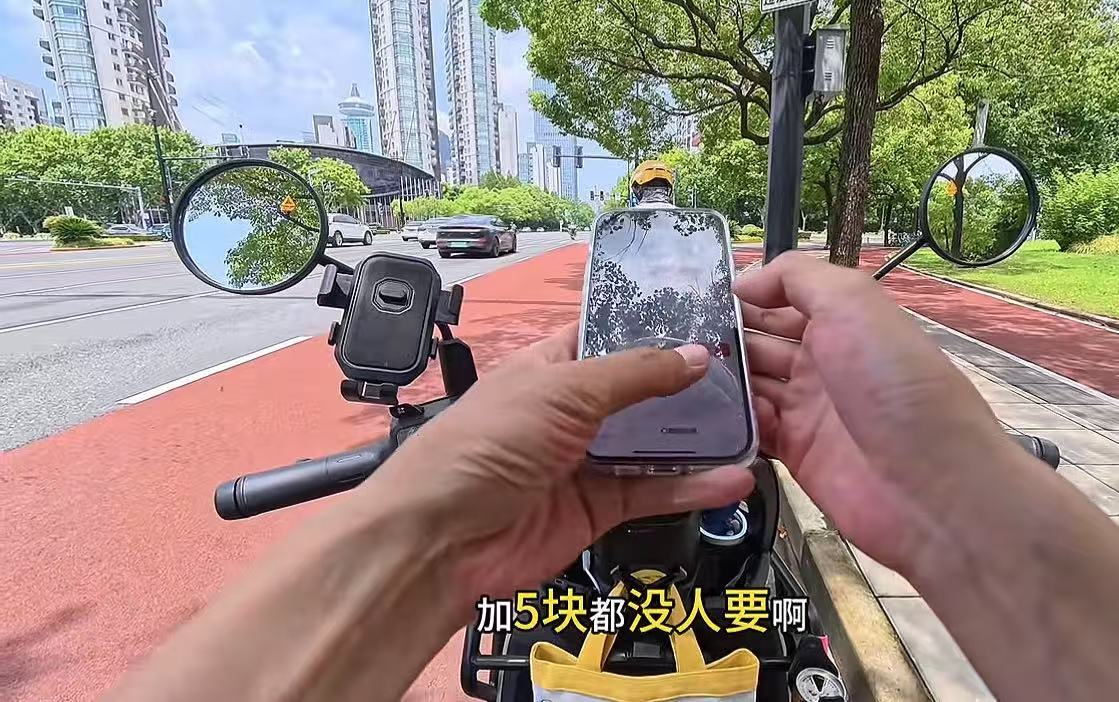
骑手友好社区

Search documents
【聚焦新就业形态劳动者】如何以“友好社区”起笔,绘就骑手“友好之城”新图景?
Xin Lang Cai Jing· 2026-01-29 19:50
Core Viewpoint - The establishment of "Rider-Friendly Communities" across various cities in China is improving working conditions for delivery riders, addressing issues such as access, parking, navigation, charging, and dining [1][2]. Group 1: Community Development - The first "Rider-Friendly Community" was launched in Tian Tong Yuan, Beijing, in January 2024, and has rapidly expanded to multiple cities nationwide [1]. - Riders are experiencing improved living conditions, such as affordable housing options, with some riders paying only 700 yuan per month for accommodation in central Beijing [1]. - The community initiative is a collaborative effort involving local governments, property management, delivery platforms, and riders, fostering a more harmonious coexistence [1][7]. Group 2: Infrastructure Improvements - Enhancements in community infrastructure include the installation of directional signs, friendly maps, and illuminated doorplates to assist riders in navigating residential areas [2]. - Charging stations have been established to alleviate riders' concerns about battery life, allowing for quick battery swaps [2]. - The community has defined "six types of friendliness" to guide the development of Rider-Friendly Communities: information, co-governance, service, interpersonal, spatial, and facility friendliness [2]. Group 3: Addressing Access Issues - The initiative began by addressing the "access difficulty" faced by riders, who often felt discriminated against when trying to enter residential areas [4][5]. - Solutions were developed through collaborative discussions among riders, property owners, and community representatives, leading to agreements on access during peak and non-peak hours [6]. - Technology is being utilized to streamline identity verification for riders, enhancing their access to residential areas while alleviating property owners' concerns [6]. Group 4: Community Engagement - The initiative promotes community engagement, with riders participating in local events and volunteer activities, fostering a sense of belonging [7]. - The relationship between residents and riders is improving, with increased interactions leading to greater understanding and acceptance [7]. - Delivery platforms are also contributing to community safety and governance by encouraging riders to report safety hazards and participate in community service [7]. Group 5: Future Prospects - As of November 2025, over 40,000 Rider-Friendly Communities have been established in more than 200 cities by Meituan, with similar efforts by other platforms like Taobao [8]. - The concept of "Friendly Cities" is being expanded beyond communities to include business districts, parks, and office buildings, indicating a broader vision for urban development [8].


打破封闭社区的“外卖最后百米困局”,物管企业做了哪些探索?
第一财经· 2025-08-08 15:48
Core Viewpoint - The article discusses the challenges and solutions related to food delivery in high-end residential communities, highlighting the balance between efficiency and safety in delivery processes [2][5]. Group 1: Delivery Challenges - The high-end community Rinheng Park Century in Shanghai has faced criticism from delivery riders due to a lengthy delivery process involving a shuttle service, which has led to delays and penalties for the riders [2][4]. - The community's delivery protocol has been in place for several years, aiming to manage the entry of delivery personnel while ensuring resident safety [4][5]. - The increasing prevalence of "people-vehicle separation" communities has created widespread delivery challenges, with no unified standards for managing deliveries in such environments [5][7]. Group 2: Solutions and Innovations - Successful management cases exist where property management companies collaborate with delivery platforms to enhance delivery efficiency and rider access [2][9]. - Some high-end properties, like the "融创外滩壹号院," have implemented comprehensive management systems for deliveries, ensuring timely and secure delivery processes [10]. - Various property management companies are exploring innovative solutions, such as dedicated delivery vehicles and technology partnerships, to streamline the delivery process and reduce wait times for riders [11][12]. Group 3: Government and Community Initiatives - Local governments are increasingly recognizing the importance of creating "rider-friendly communities" and have begun implementing measures to improve delivery conditions [13][14]. - Initiatives like the "三色分类管理" system in Dongyang City categorize communities based on delivery access, helping riders understand entry protocols [13]. - The establishment of "rider-friendly communities" in cities like Shanghai has led to improved delivery efficiency and enhanced support for delivery personnel, fostering a sense of community [14].

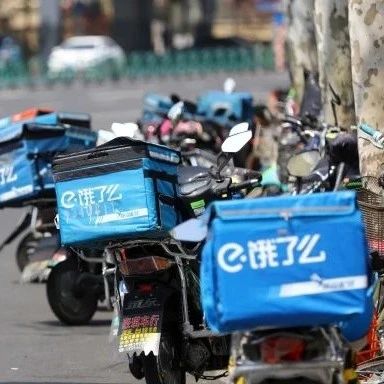
打破封闭社区的“外卖最后百米困局”,物管企业做了哪些探索?
Di Yi Cai Jing· 2025-08-08 10:34
Core Viewpoint - The delivery of takeout in residential areas, particularly high-end communities, faces challenges in balancing efficiency and safety, with various property management companies implementing effective solutions to address these issues [1][2][3]. Group 1: Delivery Challenges - The "last 100 meters" delivery issue remains unresolved, with no unified industry standards, leading to conflicts between delivery riders and property management [1][5]. - High-end residential areas like Rinheng Park Century in Shanghai have implemented strict delivery protocols, causing frustration among delivery riders due to time-consuming processes [2][3]. - The increasing number of "people-vehicle separated" communities complicates the delivery process, with differing opinions among residents on how to manage deliveries safely [3][6]. Group 2: Successful Management Cases - Some property management companies have successfully collaborated with internet delivery platforms to enhance delivery efficiency, such as implementing shuttle services for riders [1][4]. - The "Rider-Friendly Community" initiative is being promoted across various provinces, aiming to improve the delivery experience for riders while ensuring safety for residents [1][8]. - Examples of effective management include the implementation of dedicated delivery vehicles in large residential areas, allowing riders to switch to community-provided vehicles for faster delivery [6][7]. Group 3: Technological Solutions - Leading property companies are leveraging technology to streamline the entry process for delivery riders, significantly reducing wait times at entry points [7][8]. - Initiatives like the "Rider-Friendly Map" in Shanghai have been introduced to optimize delivery routes, saving riders an average of 20% in delivery time [9]. - Local governments are also taking steps to categorize residential areas based on delivery access, simplifying the entry process for riders and reducing conflicts [8][9].
上海一小区被外卖员集体“拉黑”!有骑手花40分钟配送一单
第一财经· 2025-08-07 12:11
Core Viewpoint - The article highlights the ongoing challenges faced by delivery riders in accessing certain residential complexes in Shanghai, specifically the Renheng Park Century community, which has strict entry regulations that significantly delay delivery times and impact riders' earnings [5][10]. Group 1: Delivery Challenges - The Renheng Park Century community has enforced a policy for over seven years that requires delivery riders to be accompanied by security personnel in a shuttle vehicle, leading to delays of 10 to 40 minutes for deliveries [7][8]. - Riders experience dual pressure during peak hours, as orders from this community not only take longer to deliver but also cause them to miss out on other potential orders, resulting in reduced daily earnings [8][9]. - The community's management has refused to change its delivery policy, citing contractual obligations with residents, which complicates the situation for delivery platforms and riders [7][10]. Group 2: Industry Response - Delivery platforms are actively seeking solutions to the entry difficulties faced by riders, including partnerships with local governments to develop "entry codes" that streamline access to residential areas [10]. - Other residential complexes have implemented alternative delivery methods, such as designated drop-off points for riders, which the Renheng Park Century community has rejected due to concerns over potential delivery errors [9][10]. - The article indicates that the issue of restricted access for delivery riders is not unique to Shanghai, with similar challenges reported in other cities, highlighting a broader industry concern [10].
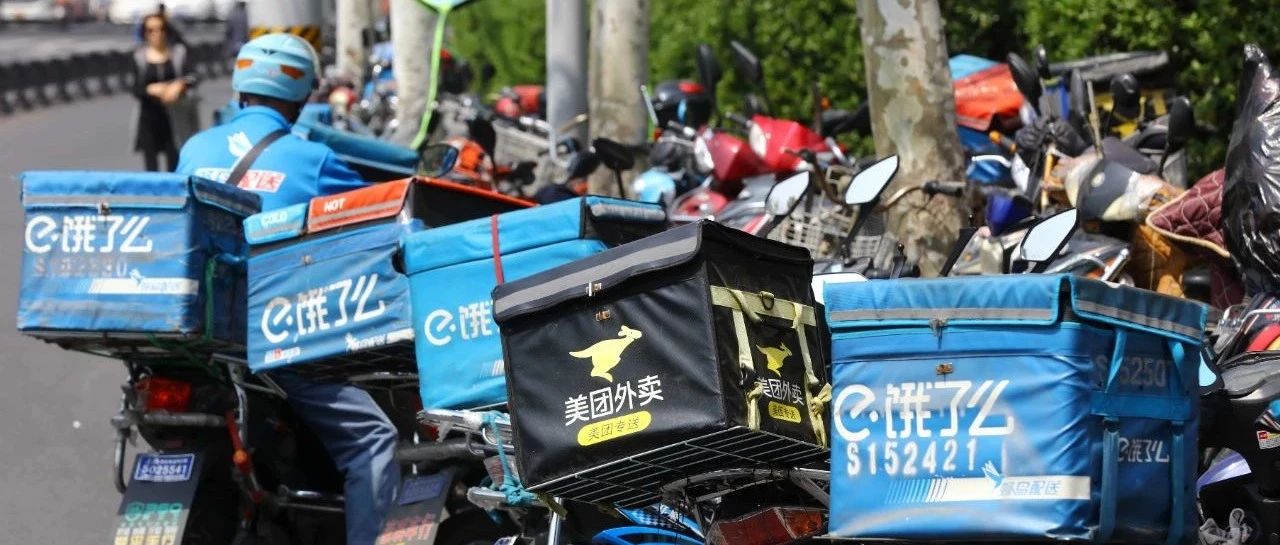
探秘上海最难送外卖小区:每批骑手须同进同出,物业不愿设外卖柜
Di Yi Cai Jing· 2025-08-07 08:47
Core Insights - The issue of difficult access and delivery challenges in residential communities is not unique to one area, as evidenced by a recent incident involving a delivery rider in a Shanghai community [1][6] - The situation at the Renheng Park Century community has persisted for over seven years, with multiple attempts to resolve the issue through communication with property management proving ineffective [3][4] Delivery Challenges - The community requires delivery riders to be accompanied by security personnel in a shuttle vehicle, leading to delays of 10 to 20 minutes, and in some cases, up to 40 minutes during peak hours [4][6] - Riders face dual pressure during peak hours, as orders from this community take longer to deliver, causing them to miss out on additional orders and reducing their overall income [6][7] Rider Coordination - Riders have developed informal methods to coordinate among themselves to manage deliveries from this community, but these solutions are not sustainable long-term [7] - Other communities have implemented different strategies, such as designated drop-off points for deliveries, which the Renheng Park Century community has rejected due to concerns over potential issues with lost or damaged items [7] Industry Response - Delivery platforms are actively seeking solutions to the access issues faced by riders, including partnerships with local government departments to develop a "friendly community" access solution [8] - Initiatives like the "entry code" system are being tested in various communities to streamline the entry process for delivery riders [8]