高端信用卡权益调整

Search documents
白金信用卡权益大缩水:贵宾厅限次、酒店减量……
Mei Ri Jing Ji Xin Wen· 2025-12-11 13:51
Core Insights - The high-end credit card benefits are being significantly reduced by multiple banks, leading to a decline in the perceived value of these cards [1][3][4] - The profitability of high-end credit cards is under scrutiny, as banks struggle to balance the high costs of benefits with low revenue from transaction fees [4][5][6] - Banks are shifting their strategies from aggressive customer acquisition to maintaining existing high-value clients, focusing on overall customer value rather than just credit card profitability [8][10] Summary by Sections Benefit Reductions - High-end credit card benefits such as unlimited airport lounge access and hotel stays are being cut back, with some banks reducing annual hotel stays from two nights to one [1][2] - Changes include limiting airport lounge access to a maximum of six visits per year and increasing the points required for redeeming benefits [3] Profitability Challenges - High-end credit cards are not profitable for banks due to high costs associated with benefits and low transaction fee revenue, which averages around 0.3% in China [4][5] - The cost of services like airport transfers can range from 200 to 300 yuan, further straining profitability [4] Strategic Shifts - Banks are focusing on high-end credit cards as a means to identify and engage high-value customers, integrating these products into broader wealth management strategies [8][9] - The industry is moving towards a model that prioritizes maintaining existing customers over acquiring new ones, especially as the market becomes saturated [10]
白金信用卡权益大缩水:贵宾厅限次、酒店减量⋯⋯银行吐槽没赚头
Mei Ri Jing Ji Xin Wen· 2025-12-10 12:44
Core Insights - The high-end credit card benefits are being significantly reduced, with banks limiting access to airport lounges and hotel stays, reflecting a broader trend of cost-cutting in the industry [1][3][4] - Banks are struggling to profit from high-end credit cards due to high costs and low commission rates, leading to a reevaluation of the value these cards provide [6][7][8] - The shift in strategy from expansion to managing existing customer relationships indicates a focus on maintaining high-value clients rather than acquiring new ones [12][13] Group 1: Benefit Reductions - High-end credit card benefits are shrinking, with many banks announcing cuts to services such as unlimited access to airport lounges, which will now be limited to a certain number of visits per year [1][3] - The annual hotel stay benefit for some cards has been reduced from two nights to one, and the quality of services has declined [3][4] - Changes in redemption thresholds for rewards points are being implemented, increasing the number of points required for benefits [4][5] Group 2: Profitability Challenges - Banks report that high-end credit cards are not profitable due to high operational costs and low commission rates, which average around 0.3% in China [6][7] - The cost of providing services, such as airport transfers, can range from 200 to 300 yuan, which is not offset by the income generated from card usage [6][7] - The prevalence of "sheep-shearing" behavior, where customers exploit benefits without generating revenue for banks, further complicates profitability [8] Group 3: Strategic Shifts - The credit card industry is transitioning from aggressive customer acquisition to focusing on existing customer retention, particularly among high-value clients [12][13] - Banks are increasingly viewing high-end credit cards as part of a broader strategy to enhance customer relationships and drive profitability through cross-selling other financial products [10][11] - The overall number of credit cards is declining, indicating a shift towards a more sustainable, customer-focused business model [12]
大分化时代下,高端信用卡决定“不卷了”
2 1 Shi Ji Jing Ji Bao Dao· 2025-08-12 16:31
Core Viewpoint - The recent adjustments in high-end credit card offerings by multiple banks are not merely about reducing benefits but are proactive measures aimed at achieving sustainable business models and overall industry health amidst rising costs and increased risk management pressures [1][2][3] Group 1: Industry Trends - Major banks like China Merchants Bank, Everbright Bank, and HSBC China have announced updates to their high-end credit card products, including increased usage thresholds and changes in applicable benefits [1] - The credit card industry is entering a phase of clearer and more stable market dynamics as these adjustments are implemented [1][7] Group 2: Specific Changes by China Merchants Bank - On July 1, China Merchants Bank announced the upgrade of its Visa dual-standard magnetic stripe cards to chip versions, along with changes to the annual fee waiver rules for its classic and premium white credit cards [2] - The classic white card now requires a spending threshold of 180,000 yuan for the main card and 100,000 yuan for the supplementary card to redeem annual fees, while the premium white card has added benefits such as two annual stays at selected hotels and no foreign exchange fees [2][3] Group 3: Long-term Strategy - China Merchants Bank emphasizes a long-term operational philosophy, focusing on creating high-end credit card products that meet customer needs rather than short-term promotional offerings [3] - The adjustments reflect a broader trend of banks seeking to balance service models and commercial sustainability rather than merely downgrading services [3][7] Group 4: Economic Context - The high-end credit card segment has historically been a key component of commercial banks' financial services, particularly targeting high-net-worth individuals whose spending behavior can significantly impact the economy [4] - The current economic environment has led to rising operational costs and greater challenges in credit risk management, prompting a reevaluation of the cost-benefit structure of high-end credit card offerings [4][5] Group 5: Market Dynamics - The transition from magnetic stripe to chip cards is a significant trend, aligning with global payment practices, as most overseas markets have already made this shift [6] - There is a clearer differentiation in the features and benefits of high-end credit card products within the same bank, catering to various consumer needs [6] Group 6: Future Outlook - With the completion of updates to core high-end card products by China Merchants Bank and actions from other banks, market uncertainty is expected to decrease, leading to a more stable high-end card benefits system [7] - The adjustments in high-end credit card offerings represent a shift in the banking industry from scale expansion to high-quality development, fostering a healthier industry ecosystem in the long run [7]
大分化时代下,高端信用卡决定“不卷了”
凤凰网财经· 2025-07-22 14:12
Core Viewpoint - The recent adjustments in high-end credit card benefits by multiple banks are proactive measures aimed at achieving sustainable business models and overall industry health, rather than merely a reduction in benefits [1][2]. Group 1: Adjustments in High-End Credit Card Benefits - Major banks, including China Merchants Bank, have announced updates to high-end credit card products, such as increasing usage thresholds and adjusting applicable ranges [1]. - The adjustments reflect a shift from a focus on short-term promotional products to long-term offerings that align with customer needs, maintaining a stable and optimized benefits structure [2][3]. - The changes include the introduction of new benefits for certain card types while increasing the spending requirements for others, indicating a strategic alignment with customer expectations and market demands [2][3]. Group 2: Market Trends and Economic Context - The high-end credit card segment has historically been a crucial part of commercial banks' financial services, with a focus on catering to high-net-worth individuals [4]. - The current economic environment has led to rising operational costs and increased challenges in credit risk management, prompting banks to reassess their benefits structures [5]. - The trend towards upgrading high-end credit cards from magnetic stripe to chip technology is part of a broader global shift, ensuring compatibility with international payment systems [6][7]. Group 3: Future Outlook - The differentiation among high-end credit card products is becoming clearer, with banks offering various products tailored to specific consumer needs, enhancing the overall customer experience [7]. - As banks complete their updates to high-end credit card benefits, market uncertainty is expected to decrease, leading to a more stable benefits ecosystem for cardholders [7].


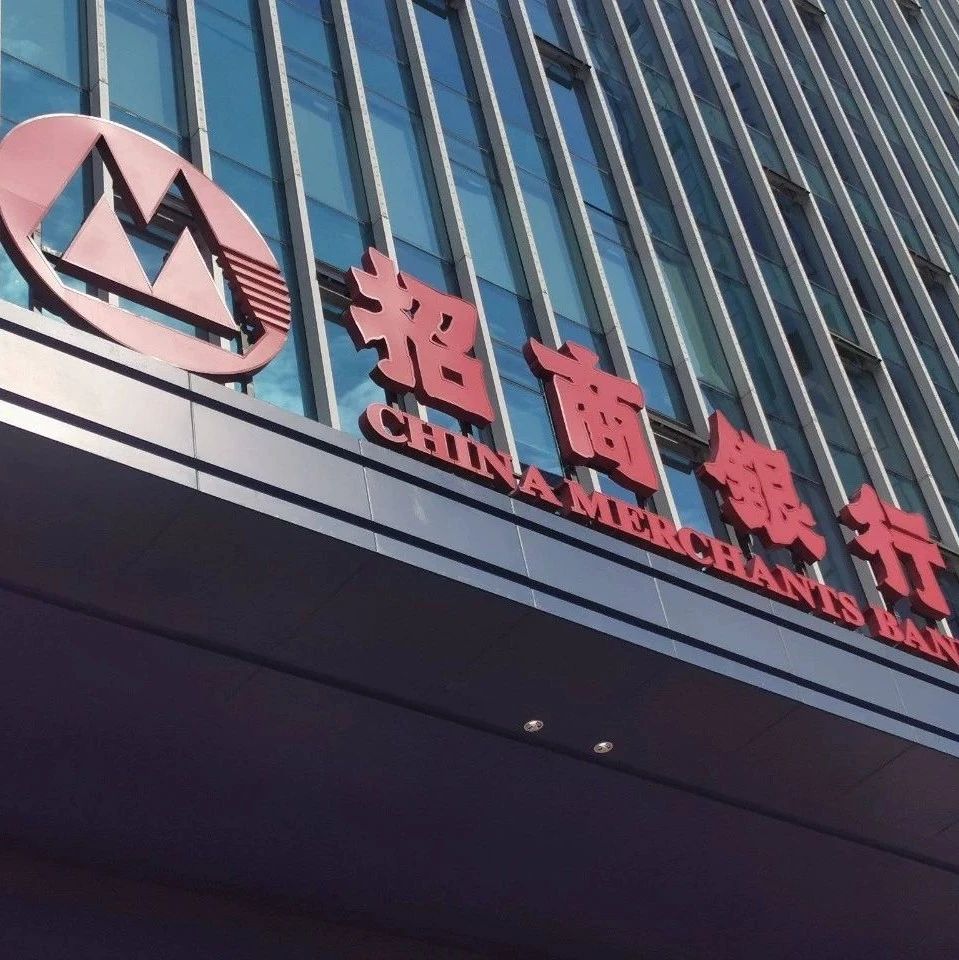
大分化时代下,高端信用卡决定“不卷了”
新浪财经· 2025-07-22 08:58
Core Viewpoint - The recent adjustments in high-end credit card benefits by multiple banks are proactive measures aimed at achieving sustainable business models and overall industry health amidst rising costs and increased risk management pressures [3][6][11]. Group 1: Industry Trends - Several banks, including China Merchants Bank and Everbright Bank, have announced updates to high-end credit card products, such as increasing usage thresholds and adjusting applicable ranges [3]. - The current round of adjustments is seen as a shift from a focus on aggressive benefits to a more sustainable approach, reflecting a broader industry trend towards differentiation and long-term viability [6][11]. Group 2: Specific Changes by Banks - China Merchants Bank has upgraded its Visa dual-standard high-end magnetic stripe cards to chip versions, adjusting annual fee waiver rules and introducing new benefits for its premium cardholders [5][6]. - The classic white chip card now requires a spending threshold of 180,000 yuan for the main card and 100,000 yuan for supplementary cards to qualify for fee waivers, indicating a shift towards more stringent requirements [5][6]. Group 3: Market Dynamics - The high-end credit card segment has historically been crucial for banks, targeting high-net-worth individuals whose spending patterns can significantly impact the economy [7]. - The rising operational costs and credit risk management challenges are prompting banks to reassess their high-end credit card strategies, moving away from unsustainable benefit models [7][8]. Group 4: Future Outlook - As major banks complete their updates to high-end card benefits, market uncertainty is expected to decrease, leading to a more stable and predictable benefits system for cardholders [11]. - The adjustments in high-end credit card offerings reflect a transition from rapid expansion to a focus on high-quality development within the banking industry, promoting a healthier ecosystem in the long run [11].

高端信用卡,决定“不卷了”
21世纪经济报道· 2025-07-21 14:57
Core Viewpoint - The recent adjustments in high-end credit card benefits by multiple banks are proactive measures aimed at achieving sustainable business models and overall industry health amidst rising costs and increased risk management pressures [2][12]. Group 1: Industry Trends - Several banks, including China Merchants Bank, have announced updates to high-end credit card products, such as increased usage thresholds and changes in applicable benefits [2]. - The current round of adjustments is characterized as a transition from a "race for scale" to a focus on high-quality development, reflecting a shift in the banking industry's approach to credit card offerings [12]. Group 2: Specific Changes in Credit Card Products - China Merchants Bank upgraded its Visa dual-standard magnetic stripe cards to chip versions, adjusting the annual fee waiver rules for its classic and exquisite white credit cards [4]. - The classic white card now requires a spending threshold of 180,000 yuan for the main card and 100,000 yuan for the supplementary card to qualify for fee waivers, while the exquisite white card has added benefits such as two annual stays at selected hotels and no foreign exchange fees [4][5]. Group 3: Market Dynamics - The high-end credit card segment has historically been crucial for banks, targeting high-net-worth individuals whose spending patterns can significantly impact the economy [8]. - The shift towards chip cards aligns with global trends, as most overseas markets have already transitioned from magnetic stripe to chip technology, enhancing security and compatibility for cardholders [10][11]. Group 4: Future Outlook - As major banks complete their updates to high-end credit card benefits, market uncertainty is expected to decrease, leading to a more stable and predictable environment for cardholders [12]. - The adjustments in high-end credit card offerings are seen as a reflection of the banking industry's efforts to balance service models with sustainable business practices, moving away from unsustainable cost structures [6][9].