
高等教育变革

Search documents
深圳理工大学校长樊建平:当今大学是以培养工程师为主,未来需要培养拔尖创新人才
Xin Lang Cai Jing· 2025-12-19 03:11
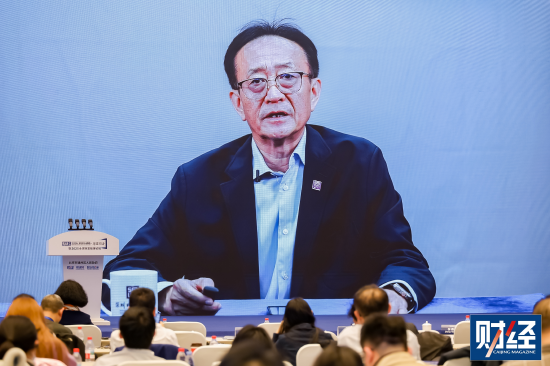
专题:财经年会2026:预测与战略暨2025全球财富管理论坛 《财经》年会2026:预测与战略暨2025全球财富管理论坛于2025年12月18-20日在北京举行。深圳理工 大学校长樊建平,指出,中国高等教育历经数十年发展,已形成3000多所高校的庞大体系,为工业化进 程培养了海量人才,助力中国用40多年时间走完了西方工业国家200多年的发展历程。 "但今天大学的教学方式,实际上是以培养工程师为主,我们国家未来参与世界的竞争,就是要培养拔 尖创新人才,能够做0到1的人才成为我们新时期的一个重点"他说。 二,在学科设置上,突破单一学科局限,以问题为导向,聚焦世界科技前沿、国家重大需求、人民生命 健康和国民经济主战场,发展交叉学科; 三,在师资建设上,打造具有国际视野和水平的教师队伍,采用与国际接轨的考核激励机制,参与全球 人才流动,吸纳顶尖师资; 四,在教学模式上,从被动知识灌输转向主动探索能力培养,注重教学与实践并重,强化素质教育,摆 脱"高中化"教学模式; 五,在创新定位上,从传统的知识垄断与传授者,转变为区域创新生态的核心枢纽,串联各类创新主 体,让创新活动在校园内集中发生; 六,在治理机制上,突破传统高校 ...

深圳理工大学教务长赵伟:在AI时代,大学的使命是帮学生「找到自己」丨GAIR 2025
雷峰网· 2025-12-17 04:12
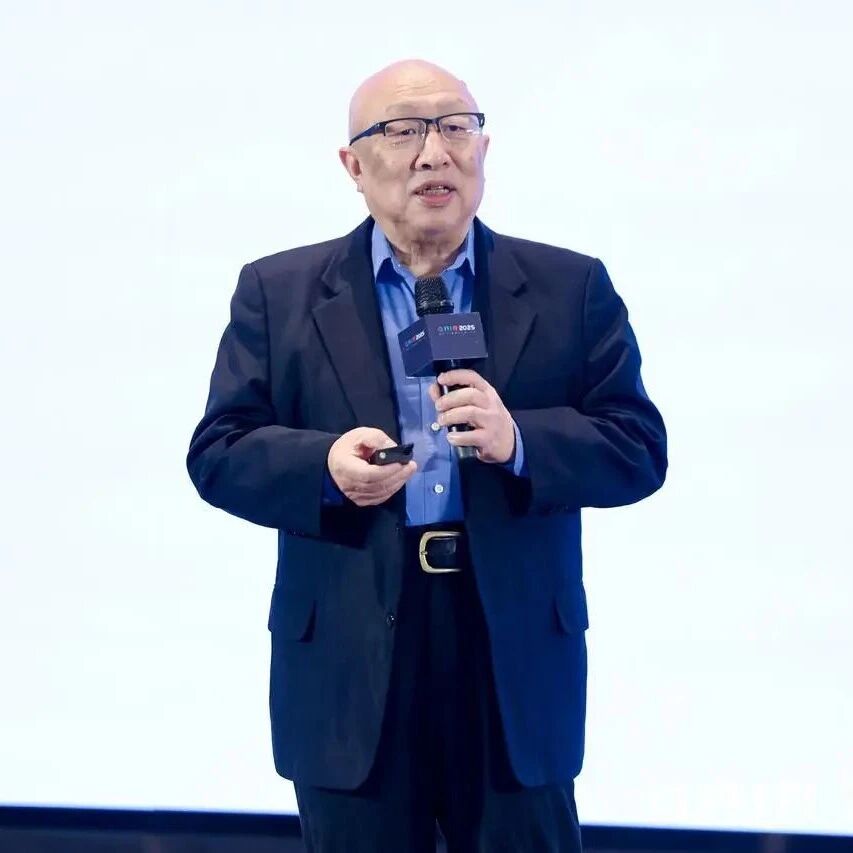
" 中国历来强调人才培养,但传统观念将「才」窄化为掌握特定技 能的「有用之材」,如打字员、程序员等。在AI冲击下,这一目标 显然难以适应时代需求。大学教育须回归育人本质,从培养「有用 之才」转向培养「有智慧之人」。 " 作者丨胡敏 编辑丨包永刚 12月12日, 第八届 GAIR 全球人工智能与机器人大会 于深圳正式拉开帷幕。 本次大会为期两天,由GAIR研究院与雷峰网联合主办,高文院士任指导委员会主席,杨强院士与朱晓蕊教 授任大会主席。 作为 AI 产学研投界标杆盛会,GAIR自2016年创办以来,始终坚守 "传承+创新" 内核,是 AI 学界思想 接力的阵地、技术交流的平台,更是中国 AI 四十年发展的精神家园。过去四年大模型驱动 AI 产业加速变 革,岁末年初 GAIR 如约而至,以高质量观点碰撞,为行业与大众呈现AI时代的前沿洞见。 本次峰会之上,深圳理工大学教务长、澳门大学第八任校长赵伟为与会者们带来了一场精彩纷呈的开场报 告。 赵伟教授在会场上介绍到:中国长期致力于 " 人才培养 " ,而 " 才 " 的传统释义侧重于 " 有用之材 " ,即具备特定技能的从业者,如打字员、程序员等。但在 AI 冲击 ...
2025海南高等教育创新发展国际论坛在三亚举办
Zhong Guo Jing Ji Wang· 2025-12-02 13:06
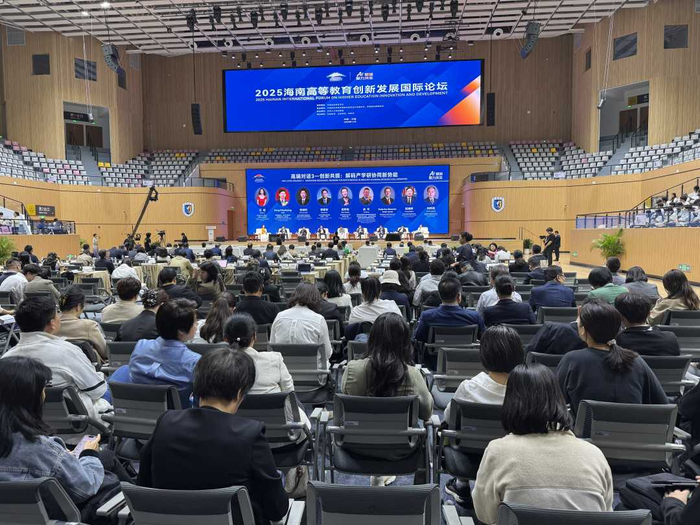
11月29日至30日,由中国高等教育学会指导的"2025海南高等教育创新发展国际论坛"在海南三亚举办。 本届论坛以"聚力共生,开创教育无限可能"为主题,聚焦人工智能时代下高等教育的系统性变革与创新 发展路径,吸引了来自全球30多个国家和地区的1200余名教育界、科技界及产业界代表齐聚一堂,共同 探索智能时代教育生态重构与全球人才培养新范式。 图 为2025海南高等教育创新发展国际论坛现场。经济日报记者 潘世鹏摄 论坛直面当前高等教育领域存在的结构性矛盾,围绕"技术伦理与教育公平"、"产教协同新范式"、"全 球教育共同体"三大核心议题展开深度研讨。 吉利控股集团董事长李书福在题为《跨界融合 协同创新:探索AI驱动的高等教育发展新路径》的致辞 中,系统阐述了人工智能时代高等教育的变革方向与吉利教育的实践探索。他说,我们正处在科技变革 叠加教育教学变革的关键时期。人工智能不仅是一场科学理念的跃迁,更是推动教育进化的强大动力。 在这个过程中,既要保持对教育本质的坚守,又要勇于突破传统模式的局限。 在高端对话环节,诺贝尔经济学奖得主罗伯特·恩格尔教授、世界工程组织联合会主席龚克、泰豪集团 董事会主席黄代放等嘉宾一致认为 ...
人机共生驱动高等教育变革
Xin Hua Ri Bao· 2025-10-24 22:16
Core Insights - The article emphasizes that the global higher education sector is entering the "Smart Education Era," marking a shift where artificial intelligence (AI) evolves from a supportive tool to a core driver of educational paradigm reconstruction [1] - AI is fundamentally transforming knowledge production, learning forms, and governance logic in education, pushing the sector from "digitalization" to "intelligentization" [1] Group 1: Educational Transformation - The focus of education is shifting from knowledge transmission to capability cultivation, addressing the core question of "what kind of individuals to cultivate" [2] - AI is breaking traditional educational logic, promoting a return to the essence of education, which is to stimulate individual potential and shape independent personalities [2] - Higher education must cultivate four core competencies in students: problem-posing thinking ability, AI utilization ability, human-machine co-creation practical ability, and critical thinking ability [2] Group 2: Mode Transition - The traditional "teacher-student" relationship is evolving into a "teacher-machine-student" triadic interaction, leading to systemic changes in the educational ecosystem [3] - AI enables personalized education, allowing for precise understanding of individual strengths and learning preferences, thus facilitating tailored learning plans [3] - The boundaries of education are expanding, allowing for learning beyond traditional constraints, promoting educational equity, and creating a more interconnected learning ecosystem [3] Group 3: Teacher Role Evolution - Teachers must redefine their roles from knowledge authorities to technology and humanities integrators, balancing digital skills with humanistic values [4] - Teachers should act as value shapers, guiding students to resist the influence of algorithm-driven information and fostering ethical judgment [4] - The role of teachers includes being educational guides, helping students establish clear learning goals and develop systematic knowledge frameworks [5] Group 4: Challenges and Opportunities - The rapid development of AI presents unprecedented opportunities for higher education, but it also comes with challenges that require careful navigation [6] - Higher education must clarify the boundaries and norms of technology application while actively promoting the integration of AI into teaching and research practices [6]