黄金价值回归

Search documents
金价跌了价!1月23日最新黄金价格!各大金店、黄金回收价格
Sou Hu Cai Jing· 2026-01-25 03:47
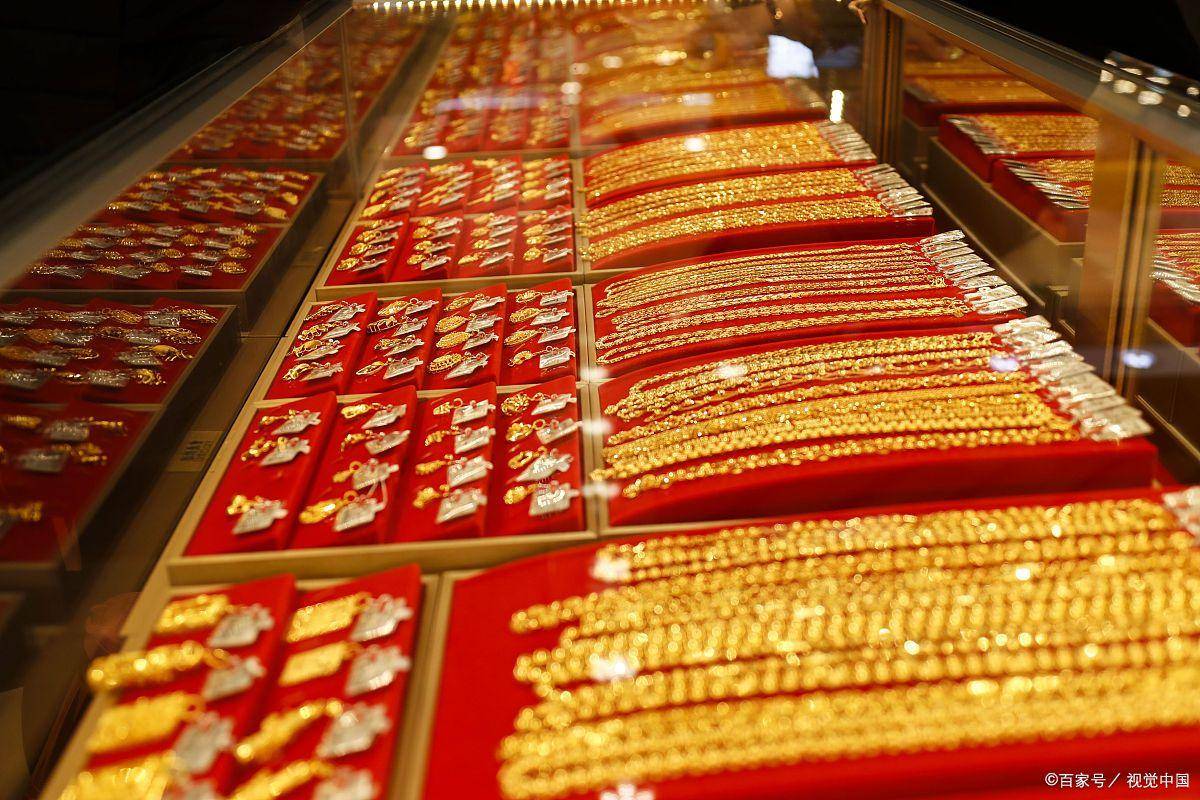
Group 1 - The global gold market is experiencing significant price adjustments, with London spot gold prices reaching $4,793 per ounce, leading to retail price increases across various brands in China [1][2] - There is a notable price disparity among different gold jewelry brands within the same city, with prices ranging from 1,353 to 1,496 yuan per gram, indicating structural differentiation in the market [1][2] - The wholesale price of gold in Shenzhen is significantly lower at 1,228 yuan per gram compared to retail prices, highlighting the different pricing layers in the market [2] Group 2 - Over the past decade, gold prices have increased by over 400%, showcasing its strong value retention, while the diamond market has seen a dramatic decline, with some diamonds losing up to 99% of their value [2][3] - The decline in diamond value is attributed to its non-standardized nature and the collapse of marketing bubbles, while technological advancements have made lab-grown diamonds significantly cheaper [3] - The increasing popularity of gold among younger consumers, particularly in the context of cultural trends, suggests a shift in asset belief systems away from diamonds towards gold [3] Group 3 - Investment channels for gold are diversifying, with various banks offering different pricing for gold products, indicating a competitive market landscape [4] - The retail market for gold is experiencing noticeable premiums, with prices at gold shops significantly higher than wholesale prices, reflecting the added costs of branding and craftsmanship [5][6] - The demand for gold ETFs is rising, with institutional investments reaching a historical peak, indicating a strong market confidence in gold as an investment vehicle [6] Group 4 - Major financial institutions like Goldman Sachs and Citigroup are bullish on gold prices, with forecasts suggesting a target of $5,400 per ounce by the end of 2026, driven by central bank demand and expectations of interest rate cuts [7] - Despite the optimistic outlook, there are concerns about potential price corrections if interest rates do not decrease as expected, which could impact the opportunity cost of holding gold [7] - The upcoming Chinese New Year is prompting promotional activities in the gold retail sector, with brands offering discounts, yet consumers are advised to view gold jewelry primarily as a consumer product rather than an investment [8]

美元指数走弱,黄金ETF上涨空间持续打开
Sou Hu Cai Jing· 2025-12-24 03:44
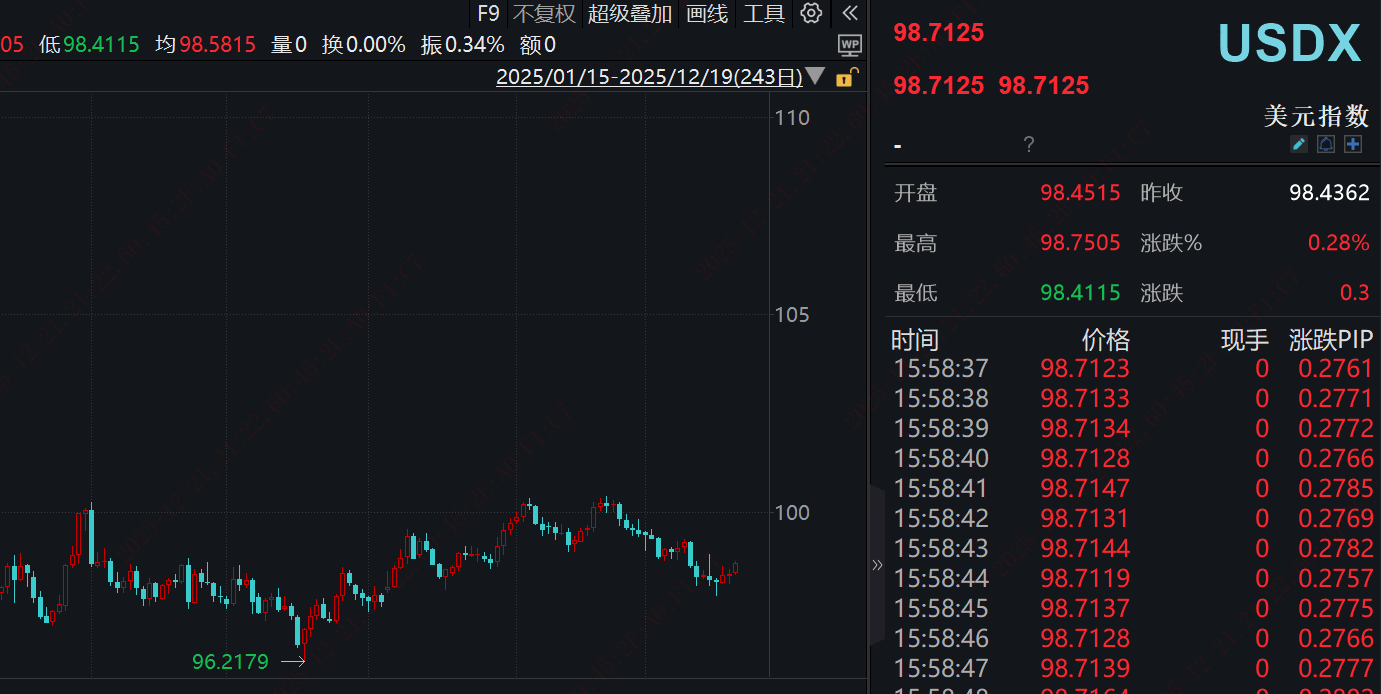
Core Viewpoint - The recent decline of the US dollar index has significantly impacted global asset allocation, with a clear downward trend observed since late November, culminating in a 1.72% drop by December 17, bringing the index to 98.71, close to the 98 mark. The overall decline for the year has reached 9.30%, with a notable 10.8% drop in the first half of the year, reinforcing the attractiveness of gold as a traditional safe-haven asset [1][3]. Group 1: Core Logic - The inverse relationship between the US dollar and gold is a well-established principle in global financial markets, where a weaker dollar reduces the cost of gold for non-dollar holders, thereby increasing demand and driving up gold prices [3]. - A weaker dollar often leads to a decrease in the attractiveness of dollar-denominated assets, prompting investors to shift their portfolios towards gold, which is perceived as a store of value amid rising economic uncertainty and inflation expectations [3]. Group 2: Investment Strategy - In a clearly defined weak dollar cycle, gold ETFs emerge as an efficient investment tool, allowing investors to capitalize on rising gold prices driven by the dollar's decline. Gold ETFs are closely aligned with gold price movements, providing a direct means to benefit from gold's appreciation [4]. - Compared to traditional gold investment methods, gold ETFs offer greater convenience and lower costs, enabling investors to trade easily through standard brokerage accounts, adjust positions in response to real-time dollar index fluctuations, and avoid the complexities of physical gold investment [4]. - The low entry barriers and costs associated with gold ETFs make them accessible for investors looking to participate in the long-term benefits of a weak dollar environment, while their liquidity allows for quick adjustments to holdings in response to market volatility [4]. Group 3: Market Outlook - The established trend of a weakening dollar, with nearly a 10% decline this year, sets a favorable foundation for gold prices to continue rising. Investors are encouraged to proactively engage with gold ETFs to navigate the challenges posed by a weakening dollar and optimize their asset allocation [5]. - Gold's intrinsic properties as a hedge against inflation and geopolitical risks, combined with ongoing global monetary easing and central bank gold purchases, position it as a cornerstone for asset allocation strategies [5].